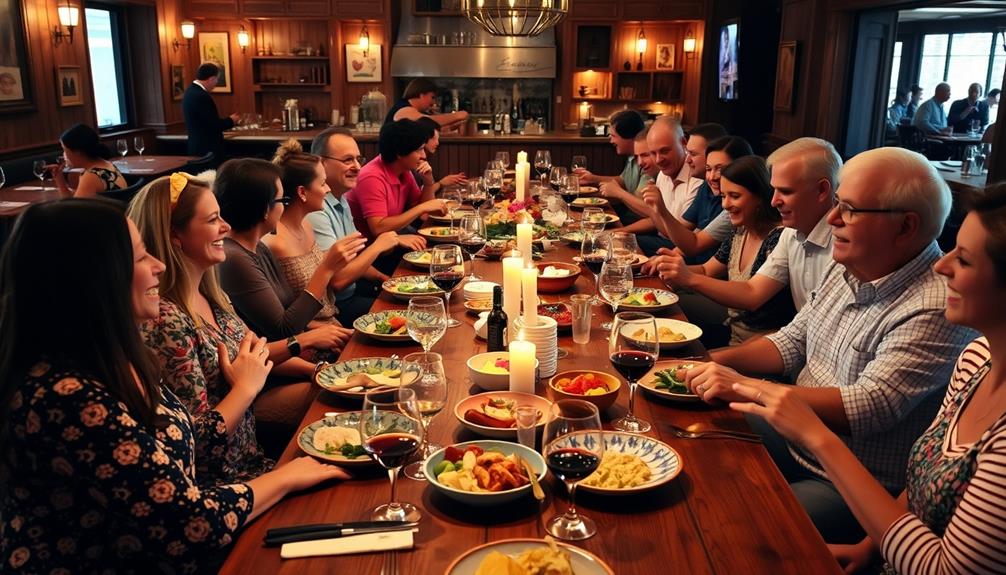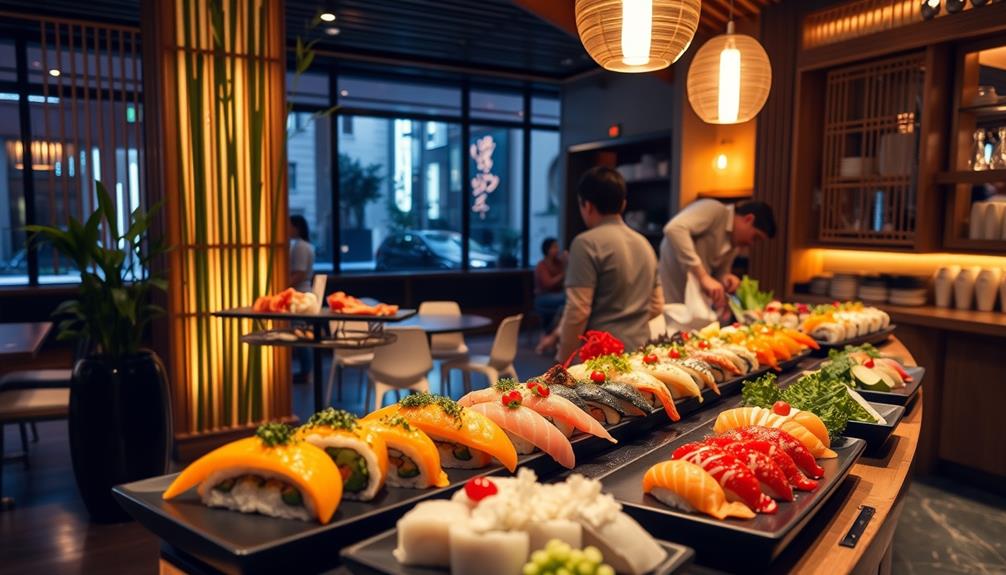
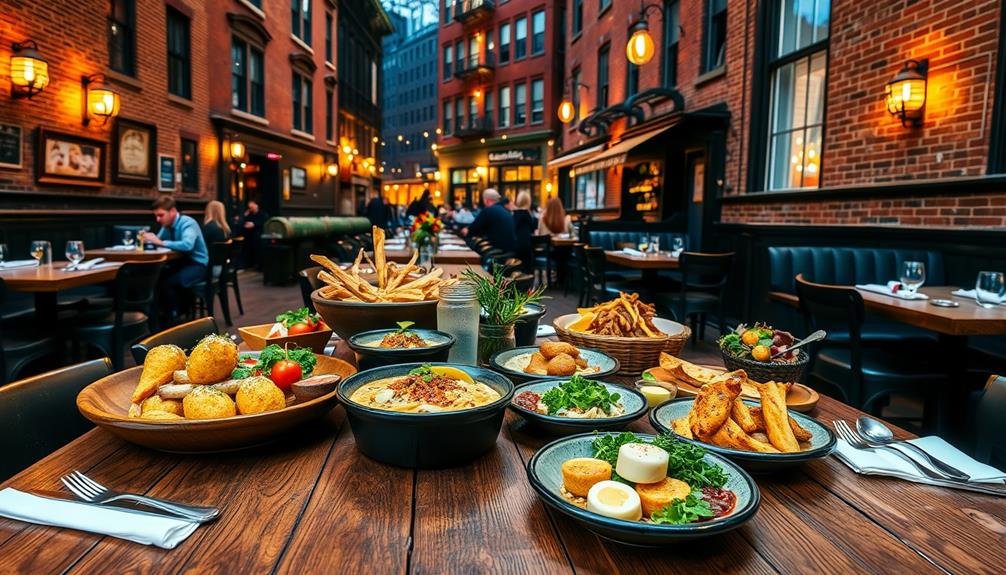
Finding the ideal Japanese restaurant in NYC can be a delightful challenge, given the city’s vibrant culinary scene. The best spots balance authenticity, ambiance, and menu variety, but often require tradeoffs between price and experience. For those seeking a refined Kaiseki dinner, options like Kaiseki at Kyoto’s Kikunoi stand out, while casual sushi lovers may prefer more accessible spots like Rintaro or Nobu. Keep reading to explore the top picks, their strengths, and what to consider before making your choice.

Get kitchen staples and gadgets delivered free with Prime
- Fast, free delivery on millions of items
- Prime Video, Amazon Music and more included
- Member-only deals all year
Key Takeaways
- The top-tier options excel in authenticity and presentation, especially Kaiseki and high-end sushi spots.
- Casual favorites like Rintaro and Nobu offer great variety but may compromise on traditional depth for a more modern or fusion approach.
- Price ranges vary widely; premium options deliver exceptional experiences but come with higher costs, while casual places offer more budget-friendly choices.
- Ambiance and service quality are key differentiators, with some restaurants emphasizing traditional Japanese decor and others focusing on modern comfort.
- Many restaurants excel in specific cuisines, such as ramen or tempura, highlighting the importance of matching your specific craving with the right spot.
| Japanese Comfort Cooking: An Opinionated Guide to Modern, Homey, Classic Japanese Recipes |  | Best for Home Cooks Seeking Authentic Japanese Flavors | Format: Print, digital | Pages: 320 | Cuisine Focus: Japanese comfort food | VIEW ON AMAZON | See Our Full Breakdown |
| Make It Japanese: Simple Recipes for Everyone |  | Best for Beginners and Quick Meal Seekers | Format: Print, digital | Pages: 200 | Cuisine Focus: Japanese home cooking | VIEW ON AMAZON | See Our Full Breakdown |
| Japanese Cooking: A Simple Art |  | Best for Beginners Exploring Authentic Techniques | Format: Print | Pages: 250 | Cuisine Focus: Traditional Japanese | VIEW ON AMAZON | See Our Full Breakdown |
| Rintaro: Japanese Food from an Izakaya in California |  | Best for Fans of Authentic Izakaya Dishes | Format: Print, digital | Pages: 180 | Cuisine Focus: Izakaya-style | VIEW ON AMAZON | See Our Full Breakdown |
| Kaiseki: The Exquisite Cuisine of Kyoto’s Kikunoi Restaurant |  | Best for Food Enthusiasts Interested in Japanese Fine Dining | Format: Print | Pages: 350 | Cuisine Focus: Kaiseki, Kyoto | VIEW ON AMAZON | See Our Full Breakdown |
| Nobu: The Cookbook |  | Best for Culinary Enthusiasts Seeking Authentic Japanese Recipes | Type of recipes: Authentic Japanese-inspired dishes | Intended audience: Home cooks and professional chefs | Difficulty level: Intermediate to advanced | VIEW ON AMAZON | See Our Full Breakdown |
| Japanese Soul Cooking: Ramen, Tonkatsu, Tempura, and More from Tokyo and Beyond |  | Best for Cultural Context and Traditional Street Food Recipes | Type of recipes: Street food and traditional Japanese dishes | Intended audience: Food lovers seeking authentic Japanese home cooking | Difficulty level: Moderate | VIEW ON AMAZON | See Our Full Breakdown |
| The Nom Wah Cookbook: Recipes and Stories from 100 Years at New York City’s Iconic Dim Sum Restaurant |  | Best for NYC Food History and Dim Sum Enthusiasts | Type of content: Dim sum recipes and stories | Intended audience: NYC food history enthusiasts and Asian cuisine lovers | Focus: Chinese dim sum | VIEW ON AMAZON | See Our Full Breakdown |
| japanese restaurant nyc | Difficulty Level | Format | Pages | Cuisine Focus |
|---|---|---|---|---|
| Japanese Comfort Cooking: An O | Intermediate | Print, digital | 320 | Japanese comfort food |
| Make It Japanese: Simple Recip | Beginner | Print, digital | 200 | Japanese home cooking |
| Japanese Cooking: A Simple Art | Beginner to Intermediate | 250 | Traditional Japanese | |
| Rintaro: Japanese Food from an | Intermediate | Print, digital | 180 | Izakaya-style |
| Kaiseki: The Exquisite Cuisine | Advanced | 350 | Kaiseki, Kyoto | |
| Nobu: The Cookbook | Intermediate to advanced | — | — | — |
| Japanese Soul Cooking: Ramen | Moderate | — | — | — |
| The Nom Wah Cookbook: Recipes | — | — | — | — |
More Details on Our Top Picks
Japanese Comfort Cooking: An Opinionated Guide to Modern, Homey, Classic Japanese Recipes
This cookbook stands out for blending modern and traditional Japanese recipes tailored for home kitchens, making it ideal for those who want authentic flavors without restaurant-level equipment. Compared to Rintaro, which focuses on specific izakaya dishes, this guide offers a broader variety of everyday recipes. The instructions are straightforward, though some ingredients may be hard to find for beginners. Its focus on flavor and authenticity makes it a strong choice for home chefs eager to explore Japanese cuisine in depth, but it might feel overwhelming for absolute novices unfamiliar with Japanese ingredients.
Pros:- Includes both modern and traditional Japanese recipes
- Easy-to-follow instructions suitable for home cooks
- Provides authentic flavors and useful cooking tips
Cons:- No specific price or rating information available
- Content may require familiarity with Japanese ingredients
Best for: Home cooks with some experience looking to master traditional Japanese dishes with authentic flavor.
Not ideal for: Complete beginners or those seeking quick, ingredient-light recipes without needing specialized ingredients.
- Format:Print, digital
- Pages:320
- Cuisine Focus:Japanese comfort food
- Difficulty Level:Intermediate
- Includes Photos:No
- Recipe Count:50+
Our verdict“This book is perfect for home chefs eager to deepen their understanding of authentic Japanese cuisine, even if it requires some ingredient sourcing.”
Make It Japanese: Simple Recipes for Everyone
This cookbook makes Japanese cooking accessible for all skill levels, emphasizing simple, straightforward recipes that deliver authentic flavors. While Japanese Cooking: A Simple Art offers a solid foundation for learning techniques, Make It Japanese excels in providing quick, easy recipes suited for busy households or newcomers. It’s less detailed on traditional techniques and nutritional info, which might disappoint those looking for depth. Nonetheless, its simplicity and broad appeal make it ideal for those new to Japanese cuisine or anyone wanting reliable, fuss-free dishes.
Pros:- Very easy-to-follow recipes
- Authentic Japanese flavors in simple dishes
- Suitable for all skill levels
Cons:- Limited nutritional information
- May require specialty ingredients that are hard to find
Best for: Beginners or busy individuals wanting quick yet authentic Japanese recipes without complex techniques.
Not ideal for: Experienced cooks seeking advanced techniques or detailed culinary insights.
- Format:Print, digital
- Pages:200
- Cuisine Focus:Japanese home cooking
- Difficulty Level:Beginner
- Includes Photos:Yes
- Recipe Count:70+
Our verdict“This book suits newcomers wanting quick, authentic Japanese dishes without the fuss of complex techniques.”
Japanese Cooking: A Simple Art
This book offers a gentle introduction to Japanese cuisine, emphasizing traditional techniques and classic recipes that resonate with those interested in authentic cooking. Unlike Make It Japanese, which is more about quick dishes, this volume dives into the foundational skills needed for proper Japanese preparation. It lacks detailed nutritional info and some recipes are presented without photos, which might challenge visual learners. Nevertheless, it’s a valuable resource for beginners who want to understand the art behind the dishes and build a solid culinary base.
Pros:- Provides clear instructions for authentic recipes
- Suitable for both beginners and experienced cooks
- Covers a wide range of traditional dishes
Cons:- Lacks detailed nutritional information
- No accompanying images for some recipes
Best for: Home cooks new to Japanese cuisine eager to learn authentic techniques and traditional dishes.
Not ideal for: Those seeking quick, beginner-friendly recipes or detailed nutritional info.
- Format:Print
- Pages:250
- Cuisine Focus:Traditional Japanese
- Difficulty Level:Beginner to Intermediate
- Includes Photos:Some
- Recipe Count:60
Our verdict“Ideal for beginners who want to learn the traditional art of Japanese cooking with thorough, authentic guidance.”
Rintaro: Japanese Food from an Izakaya in California
This cookbook captures the essence of izakaya-style dining, making it a fantastic choice for those interested in authentic Japanese pub foods. Compared to Kaiseki, which explores refined Kyoto cuisine, Rintaro offers more approachable, everyday dishes with traditional techniques. However, it lacks detailed product specs and pricing info, which could be a drawback for those wanting a comprehensive package. This book is best suited for home chefs who want to recreate casual Japanese favorites with a touch of authenticity but may not appeal to those looking for high-end or formal cuisine.
Pros:- Authentic Japanese izakaya recipes
- Includes traditional cooking techniques
- Great for replicating casual Japanese dishes at home
Cons:- No specific price or rating info
- Limited technical details offered
Best for: Home cooks interested in casual, authentic Japanese izakaya dishes and techniques.
Not ideal for: Cooks seeking elaborate, multi-course traditional Japanese meals or detailed nutritional info.
- Format:Print, digital
- Pages:180
- Cuisine Focus:Izakaya-style
- Difficulty Level:Intermediate
- Includes Photos:Yes
- Recipe Count:45
Our verdict“Perfect for home chefs who want to bring the lively, authentic atmosphere of Japanese pubs into their kitchen with straightforward recipes.”
Kaiseki: The Exquisite Cuisine of Kyoto’s Kikunoi Restaurant
This book offers a deep dive into the refined world of Kaiseki, Kyoto’s traditional multi-course haute cuisine. Unlike the previous cookbooks that focus on everyday or casual dishes, Kaiseki provides detailed insights into a highly specialized culinary art, complemented by beautiful photography and cultural context. However, it does not feature practical recipes or tangible kitchen tools, making it less useful for those looking to cook at home regularly. Still, it’s a treasure for those fascinated by Japanese culinary history and high-end dining experiences, rather than everyday meal preparation.
Pros:- Detailed insights into Kyoto Kaiseki cuisine
- Beautiful photography and cultural background
- In-depth exploration of culinary history
Cons:- No specific product features or tangible items
- Limited practical application for home cooking
Best for: Food enthusiasts and culinary students interested in Japan’s haute cuisine and cultural traditions.
Not ideal for: Home cooks seeking practical, everyday recipes or quick meals.
- Format:Print
- Pages:350
- Cuisine Focus:Kaiseki, Kyoto
- Difficulty Level:Advanced
- Includes Photos:Yes
- Recipe Count:N/A
Our verdict“Best suited for those passionate about Japanese culinary history and fine dining, not everyday cooking needs.”
Nobu: The Cookbook
While Nobu: The Cookbook stands out for its high-quality photography and detailed instructions, it is best suited for those already passionate about Japanese cuisine. Compared to Japanese Soul Cooking, which emphasizes street food and traditional comfort dishes, Nobu’s recipes lean toward sophisticated, restaurant-style presentations that often require specialized ingredients. This focus makes it ideal for home cooks aiming to recreate upscale Japanese dishes but may feel inaccessible for beginners or those seeking quick, everyday meals. The recipes are authentic, but the need for specific ingredients can add complexity.
Pros:- Authentic Japanese recipes directly from a renowned chef
- Beautiful photography enhances learning and presentation
- Detailed instructions suitable for experienced cooks
Cons:- Requires specialized ingredients, which may be hard to find
- Focus on upscale dishes limits everyday cooking options
Best for: Serious home cooks and professional chefs interested in mastering high-end Japanese dishes
Not ideal for: Casual cooks or those with limited access to specialty ingredients who prefer straightforward, quick recipes
- Type of recipes:Authentic Japanese-inspired dishes
- Intended audience:Home cooks and professional chefs
- Difficulty level:Intermediate to advanced
- Photography quality:High
Our verdict“This cookbook is perfect for culinary enthusiasts eager to explore authentic Japanese dishes with a professional touch.”
Japanese Soul Cooking: Ramen, Tonkatsu, Tempura, and More from Tokyo and Beyond
Japanese Soul Cooking excels in offering a vivid taste of Tokyo’s street food scene, making it a strong choice for those craving authentic comfort dishes. Unlike Nobu: The Cookbook, which leans toward upscale cuisine, this book dives into hearty, traditional favorites like ramen and tempura, providing rich cultural stories along with the recipes. However, it may involve sourcing specialized ingredients, and the lack of detailed product information makes it less ideal for beginners. The focus on street food and home-style cooking makes it perfect for readers eager for a culinary journey into Japan’s everyday food.
Pros:- Authentic recipes rooted in Tokyo’s street food culture
- Includes a variety of popular and traditional dishes
- Provides cultural insights and cooking tips
Cons:- May require hard-to-find ingredients
- Limited information on pricing and customer ratings
Best for: Food enthusiasts interested in authentic Japanese street and comfort foods from Tokyo
Not ideal for: Beginners or cooks seeking quick, ingredient-light recipes without cultural background
- Type of recipes:Street food and traditional Japanese dishes
- Intended audience:Food lovers seeking authentic Japanese home cooking
- Difficulty level:Moderate
- Cultural content:Rich insights and tips
Our verdict“Ideal for lovers of traditional Japanese comfort food who want to explore Tokyo’s culinary landscape with cultural depth.”
The Nom Wah Cookbook: Recipes and Stories from 100 Years at New York City’s Iconic Dim Sum Restaurant
The Nom Wah Cookbook offers a unique glimpse into New York City’s culinary history with authentic dim sum recipes and rich stories from a century-old restaurant. Unlike the other two cookbooks, which focus on specific Japanese dishes, this collection emphasizes Chinese-inspired dim sum, making it a distinctive choice for those interested in NYC’s diverse Asian food culture. Its strength lies in storytelling and traditional recipes, though it provides limited technical details and may lack comprehensive instructions for some dishes. It’s best suited for those who love culinary stories as much as authentic recipes.
Pros:- Rich historical insights into NYC’s iconic dim sum scene
- Authentic recipes for traditional dim sum dishes
- Unique storytelling adds cultural value
Cons:- Limited technical details or step-by-step instructions
- Focus on Chinese cuisine makes it less relevant for Japanese dishes
Best for: NYC food lovers and those fascinated by Asian culinary history and dim sum
Not ideal for: Cooks seeking detailed Japanese recipes or quick meal solutions
- Type of content:Dim sum recipes and stories
- Intended audience:NYC food history enthusiasts and Asian cuisine lovers
- Focus:Chinese dim sum
- Recipe complexity:Moderate
Our verdict“This book is a must-have for NYC food history buffs and dim sum aficionados interested in authentic stories and recipes.”

How We Picked
We evaluated each restaurant based on authenticity, menu diversity, ambiance, service quality, and value for money. Our selections balance traditional Japanese culinary techniques with the overall dining experience. Rankings reflect a combination of customer reviews, culinary reputation, and how well each spot captures the essence of Japanese cuisine in NYC. We prioritized places that offer genuine flavors, memorable atmospheres, and consistent service, ensuring a well-rounded guide for various preferences and budgets.| japanese restaurant nyc | Format | Cuisine Focus | Difficulty Level | Includes Photos |
|---|---|---|---|---|
| Japanese Comfort Cooking: An O | Print, digital | Japanese comfort food | Intermediate | No |
| Make It Japanese: Simple Recip | Print, digital | Japanese home cooking | Beginner | Yes |
| Japanese Cooking: A Simple Art | Traditional Japanese | Beginner to Intermediate | Some | |
| Rintaro: Japanese Food from an | Print, digital | Izakaya-style | Intermediate | Yes |
| Kaiseki: The Exquisite Cuisine | Kaiseki, Kyoto | Advanced | Yes | |
| Nobu: The Cookbook | — | — | Intermediate to advanced | — |
| Japanese Soul Cooking: Ramen | — | — | Moderate | — |
| The Nom Wah Cookbook: Recipes | — | — | — | — |
Factors to Consider When Choosing Japanese Restaurant Nyc
Choosing the right Japanese restaurant in NYC depends on several factors that go beyond just the menu. Understanding your dining priorities—whether authentic cuisine, ambiance, or price—can significantly influence your experience. Consider these key factors to make an informed choice that aligns with your expectations and occasion.Authenticity and Cuisine Focus
Not all Japanese restaurants are equal in authenticity; some excel in traditional Kaiseki or sushi, while others focus on fusion or casual comfort food. Decide whether you want a refined, traditional experience or a more relaxed, modern take. Recognizing the cuisine’s focus helps avoid disappointment and ensures your meal aligns with your expectations.Ambiance and Atmosphere
The setting plays a crucial role—whether you prefer a minimalist, elegant space for special occasions or a lively izakaya for casual dining. Ambiance influences your overall enjoyment and can turn a simple meal into a memorable event. Be aware that some places prioritize aesthetics over comfort, so choose based on your desired vibe.Price Range and Value
Japanese dining in NYC spans a broad price spectrum. High-end Kaiseki offers exquisite presentations and rare ingredients but comes at a premium, while casual eateries provide satisfying options at a more accessible cost. Consider your budget carefully, but also weigh the value of authentic flavors versus the overall experience.Menu Diversity and Specialties
Some restaurants specialize in sushi, ramen, or tempura, while others provide comprehensive menus covering multiple Japanese cuisines. Think about what dishes you most crave and whether the restaurant can deliver on those expectations. A diverse menu can be a plus, but specialty spots often excel in their niche, offering a more focused experience.Service Quality and Convenience
Prompt, friendly service enhances your dining experience, especially when trying unfamiliar dishes. Consider factors like reservation policies, wait times, and staff knowledge about the menu. Convenience and attentive service can make a significant difference, particularly during busy hours or special occasions.Frequently Asked Questions
How do I choose between a sushi bar and a Kaiseki restaurant in NYC?
If you’re seeking a casual, quick, and familiar Japanese meal, a sushi bar like Nobu might be the best fit. For a more formal, multi-course experience emphasizing seasonal ingredients and presentation, Kaiseki restaurants like Kikunoi deliver a refined, immersive dining journey. Your choice depends on whether you’re after a relaxed, everyday meal or a special, artful experience. Consider your occasion, budget, and interest in traditional techniques when making the decision.
Are there authentic Japanese restaurants in NYC that don’t break the bank?
Yes, NYC offers several authentic Japanese eateries that provide great quality without high prices. Places like Rintaro excel in casual izakaya-style dining with authentic dishes like grilled skewers and sashimi at more approachable prices. Look for smaller, family-run spots or those focusing on specific cuisines like ramen or tempura for authentic experiences that won’t strain your budget. Keep in mind that some authentic spots may have limited menus or less opulent decor but deliver genuine flavors.
What should I look for to ensure the restaurant provides a good sushi experience?
The key indicators include fresh fish, skilled sushi chefs, and a clean, well-maintained setting. A good sushi restaurant often has a visible sushi bar, with chefs preparing dishes in front of diners, indicating freshness and craftsmanship. Additionally, look for a menu that emphasizes quality over quantity and offers a variety of nigiri, sashimi, and specialty rolls. Customer reviews often highlight consistency and authenticity, which are essential for a satisfying sushi experience.
How important is ambiance when choosing a Japanese restaurant in NYC?
Ambiance can greatly influence your overall enjoyment, especially if you’re celebrating a special occasion or seeking a traditional experience. A tranquil, minimalist space may enhance the authenticity of Kaiseki or sushi dining, while a lively izakaya creates a fun, social atmosphere. Consider what mood suits your outing—whether you prioritize serenity, elegance, or vibrancy—and choose accordingly. The right ambiance complements your meal and makes the experience more memorable.
Can I find vegetarian or vegan Japanese options in NYC?
While traditional Japanese cuisine often centers around fish and meat, many restaurants in NYC now offer vegetarian and vegan options. Some places adapt dishes like tempura, soba, and vegetable sushi to meet plant-based diets. It’s advisable to check menus in advance or call ahead to confirm availability. Restaurants focusing on modern or fusion Japanese cuisine are more likely to accommodate dietary preferences without sacrificing authenticity or flavor.
Conclusion
For those seeking an all-around exceptional experience, Kyoto’s Kaiseki at Kikunoi stands out as the best premium choice for special occasions. If you want reliable quality at a reasonable price, Rintaro offers authentic izakaya-style dishes perfect for casual outings. Nobu remains the top pick for modern, stylish sushi lovers, while Make It Japanese is ideal for beginners or home cooks wanting to replicate Japanese flavors. Budget-conscious diners will find great value in smaller local spots that focus on specific cuisines like ramen or tempura. Ultimately, your ideal restaurant depends on your occasion, budget, and culinary preferences—use these insights to find your perfect Japanese dining experience in NYC.
Halloween Picks
halloween
As an affiliate, we earn on qualifying purchases.