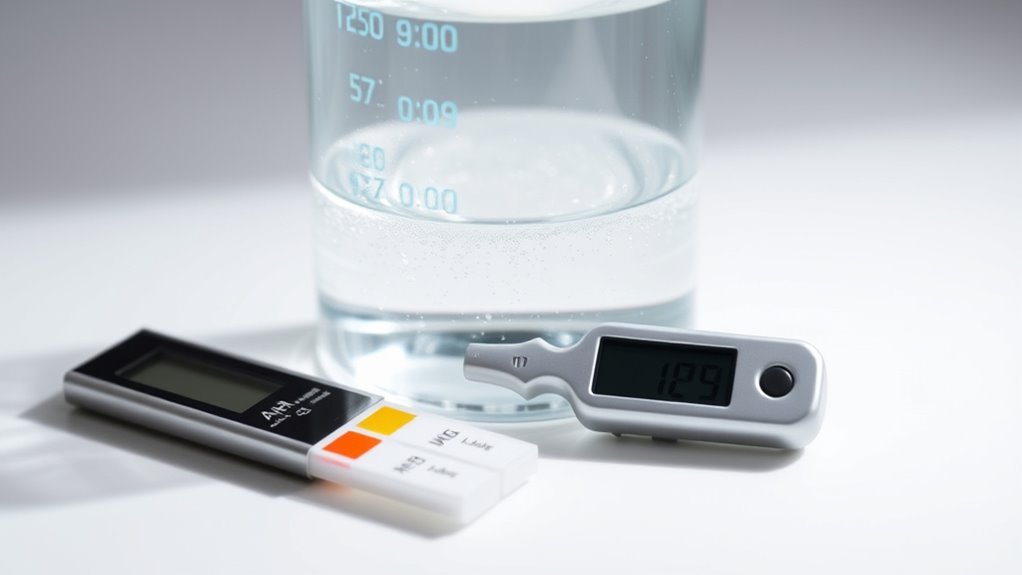

To brew the best coffee, you need to understand your water’s hardness, alkalinity, and pH. Hard water affects extraction and can cause scaling, while soft water may lead to flat flavors. Alkalinity buffers pH, influencing taste balance and mineral stability. Ideally, your water’s pH should be between 6.5 and 7.0 for ideal flavor. Keeping these elements in check ensures consistent, flavorful brews—continue exploring to master the perfect water formula.

Get kitchen staples and gadgets delivered free — and shop member deals
- Fast, free delivery on millions of items
- Access to Prime Big Deal Days deals on October 6–7
- Prime Video, Amazon Music and more included
Key Takeaways
- Water hardness, caused by calcium and magnesium, influences flavor extraction, body, and equipment scaling in coffee brewing.
- Alkalinity affects pH buffering capacity, impacting flavor clarity and the risk of metallic or harsh tastes.
- Ideal brewing water pH ranges from 6.5 to 7.0, promoting optimal extraction and preventing undesirable flavors.
- Balancing mineral content and pH ensures consistent, high-quality coffee extraction and protects brewing equipment.
- Regular testing and adjusting water chemistry maintain proper hardness, alkalinity, and pH for ideal coffee flavor profiles.
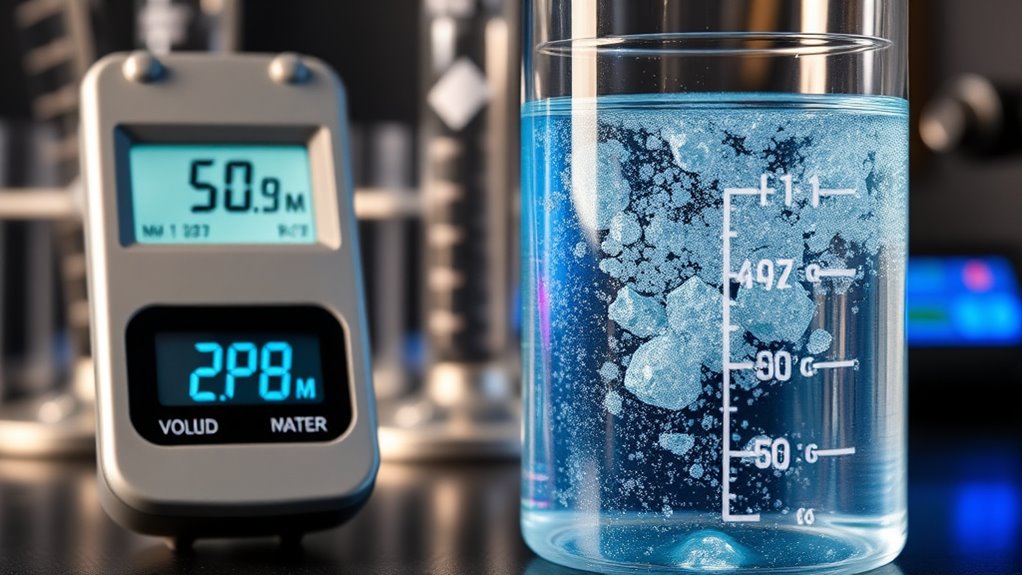
Good water chemistry is essential for brewing great coffee because it directly affects extraction and flavor. When your water has the right mineral balance and pH optimization, you’ll notice a significant difference in the taste and clarity of your brew. Minerals like calcium and magnesium are crucial because they influence how compounds dissolve during extraction. If your water is too soft, lacking these minerals, your coffee may taste flat and underdeveloped. Conversely, if it’s too hard, excessive mineral content can lead to over-extraction, resulting in a bitter or harsh cup. Striking the right balance ensures you unlock the best flavors from your beans without overwhelming them with unwanted bitterness or sourness.
Proper water chemistry balances minerals and pH for optimal coffee flavor and extraction.
Mineral balance isn’t just about adding minerals; it’s about maintaining a proper ratio that supports optimal extraction. Calcium, for example, helps dissolve coffee solubles efficiently, enhancing body and mouthfeel. Magnesium, on the other hand, can accentuate certain flavor notes, making your coffee more vibrant. Too much of these minerals can cause scaling in your equipment and alter the taste, so measuring their levels and adjusting accordingly is key. Using water with a balanced mineral content creates a stable environment for brewing and helps maintain consistency from cup to cup. Proper mineral levels are essential for consistent extraction and flavor development.
pH optimization is equally vital in brewing coffee. The ideal pH level for water used in brewing is slightly acidic, around 6.5 to 7.0. Water that’s too alkaline (above 7.0) can produce a harsh, metallic taste and hinder proper extraction, while water that’s too acidic may lead to under-extraction, resulting in sour, weak flavors. By adjusting the pH, you guarantee that the water interacts with coffee grounds in a way that extracts the desired flavors without pulling out undesirable compounds. Proper pH levels also help prevent mineral buildup and equipment issues, making your brewing process smoother and more predictable.
water hardness test kit for coffee brewing
As an affiliate, we earn on qualifying purchases.
As an affiliate, we earn on qualifying purchases.
Frequently Asked Questions
How Does Water Ph Affect Coffee Extraction?
Your water’s pH directly impacts coffee extraction by influencing flavor and balance. If the pH is too acidic, it can lead to over-extraction, resulting in sour tastes. Conversely, if it’s too alkaline, you might get dull or flat flavors. Achieving proper pH balancing ensures your water isn’t overly acidic or alkaline, helping you extract ideal flavors and maintain a harmonious coffee profile. Adjusting pH levels is key for a consistent, high-quality brew.
Can Water Hardness Impact Coffee Flavor Over Time?
Yes, water hardness can impact your coffee flavor over time. When calcium buildup occurs, it leads to mineral saturation in your equipment, which can cause scale and alter extraction. This buildup may result in a dull or off-taste, diminishing your coffee’s quality. To avoid this, regularly monitor and adjust your water’s hardness levels, ensuring minerals don’t accumulate excessively and compromise your brew’s flavor.
What Is the Ideal Water Ph for Brewing Coffee?
You should aim for a pH between 6.5 and 7.5 when brewing coffee. This range ensures ideal pH buffering, helping maintain a stable mineral balance that enhances flavor extraction. Too acidic or alkaline water can distort taste and affect extraction. By keeping the pH within this range, you support consistent brewing conditions and bring out the best in your coffee’s aroma and flavor profile.
How Do Alkalinity Levels Influence Coffee Taste?
Alkalinity levels directly influence your coffee’s taste by balancing acidity and enhancing flavor. When the alkalinity balance is ideal, it reduces sourness, bringing out richer, smoother notes. Too high alkaline levels can make your coffee taste flat or dull, while too low may result in overly acidic, sharp flavors. Adjusting alkalinity helps you achieve a well-rounded, flavorful brew, ensuring the coffee’s natural nuances shine through.
Is Distilled Water Suitable for Brewing Coffee?
Think of distilled water as a blank canvas for your brew. It’s generally suitable for brewing coffee, but it lacks minerals that enhance flavor. Using only distilled water can lead to flat-tasting coffee, as it doesn’t contribute to the extraction process. For the best results, mix distilled water with mineral-rich water or add minerals to improve brewing considerations and bring out your coffee’s full flavor profile.
Conclusion
Understanding water chemistry helps you brew better coffee, balancing hardness, alkalinity, and pH for ideal flavor. When you control these elements, you enhance extraction, improve taste, and prevent scale buildup. Embrace the science behind your brew, adjust your water, and enjoy a richer, more consistent cup every time. Mastering water chemistry isn’t just technical—it’s your path to coffee perfection, ensuring each sip is as delightful as the last.
NFL season / tailgating Picks
team gear
As an affiliate, we earn on qualifying purchases.