
When comparing washed, natural, and honey processing methods, you’ll notice each influences flavor, body, and clarity differently. Washed coffee offers a bright, clean, and crisp taste with a lighter body, perfect if you enjoy clarity and acidity. Natural processing adds fruity, full-bodied, and complex notes, making the cup richer and more varied. Honey processing balances sweetness and clarity with a smoother body. Curious about how each method creates its unique profile? Explore further to discover how these techniques can elevate your coffee experience.

Get kitchen staples and gadgets delivered free — and shop member deals
- Fast, free delivery on millions of items
- Access to Prime Big Deal Days deals on October 6–7
- Prime Video, Amazon Music and more included
Key Takeaways
- Washed coffee is processed with water to remove fruit, resulting in a bright, clean, and acidic flavor profile.
- Natural processing involves drying beans with the fruit still attached, producing a fruity, full-bodied, and complex cup.
- Honey process removes outer layers but retains mucilage, balancing sweetness with clarity and offering a versatile flavor.
- Processing methods influence body, clarity, and fruitiness, with washed emphasizing brightness, natural highlighting terroir, and honey offering balance.
- Choosing between these methods depends on flavor preferences, with washed for crispness, natural for fruitiness, and honey for balanced sweetness.
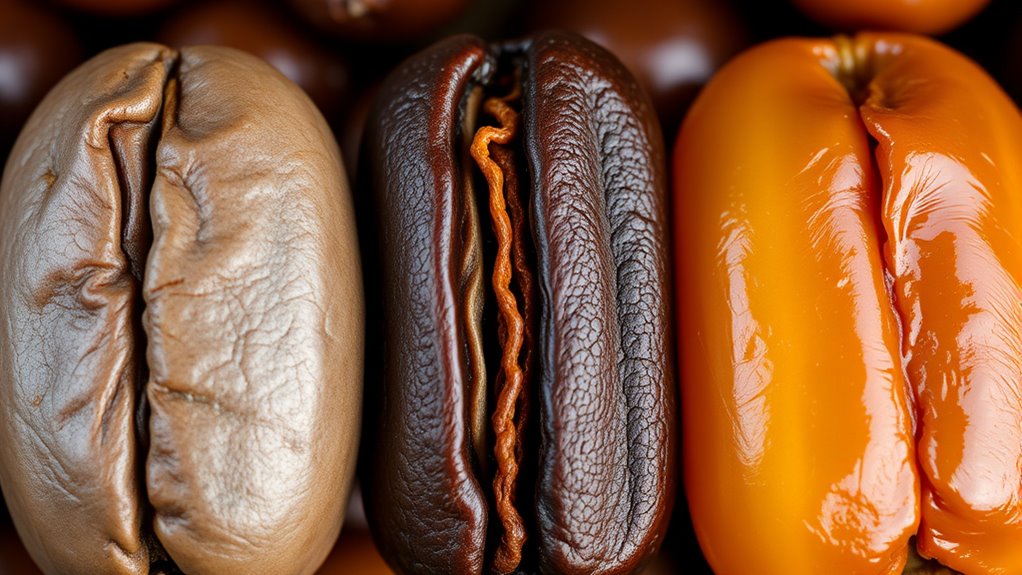
When choosing coffee, understanding the differences between washed, natural, and honey processes can considerably impact your experience. Each processing method influences the flavor profiles you encounter, giving you a unique taste that reflects how the beans are handled after harvest. Knowing these distinctions helps you select coffees that match your preferences and deepen your appreciation for the craft behind each cup.
Washed, or clean, processing involves removing the fruit from the coffee beans before drying. This method relies on water to wash away the outer layers, resulting in a brighter, more acidic profile. If you prefer a crisp, clarified flavor with pronounced fruit or floral notes, washed coffee is an excellent choice. Its processing method emphasizes clarity and consistency, making it popular among specialty roasters. Because the fruit is fully removed, the beans tend to have a more neutral, light body, allowing the inherent qualities of the bean itself to shine through.
In contrast, natural processing involves drying the beans with the fruit still intact. This method exposes the beans to the fruit’s sugars and flavors for an extended period, often leading to a more complex, full-bodied cup. Natural processing can produce a wide range of flavor profiles, from fruity and wine-like to sweet and earthy. The beans absorb the fruit’s qualities during drying, which can introduce a richer, sometimes heavier mouthfeel. This process can be more unpredictable, but when executed well, it offers a distinctive, vibrant profile that highlights the unique terroir of the coffee’s origin. Additionally, natural processing often emphasizes the terroir of the coffee, making each batch unique to its environment.
Honey processing sits somewhere between washed and natural methods. During honey processing, the outer fruit layer is removed, but some mucilage remains on the beans during drying. This residual mucilage imparts a sweetness akin to honey, which influences the flavor profile by adding a smooth, syrupy quality. The result is a balanced cup with more body and sweetness than washed coffee but cleaner and brighter than naturally processed beans. The processing method preserves some of the fruit’s character while maintaining a level of clarity, making honey-processed coffees versatile and appealing to those seeking complexity without heaviness.
Understanding these processing methods allows you to choose coffees tailored to your taste preferences. Whether you enjoy the crisp brightness of washed beans, the fruity richness of natural, or the balanced sweetness of honey, knowing how each process influences flavor profiles empowers you to explore a broader spectrum of coffee experiences. It’s not just about caffeine; it’s about appreciating the journey from farm to cup and the craft involved in each step.
As an affiliate, we earn on qualifying purchases.
Frequently Asked Questions
Which Process Yields the Most Sustainable Coffee?
You’ll find that natural processing tends to be the most sustainable, as it generally has a lower environmental impact by reducing water use and waste. Plus, it often supports better labor practices, especially in small-scale farms where workers benefit from eco-friendly methods. While washed and honey processes can also be sustainable, natural processing’s minimal resource requirements make it a top choice for eco-conscious coffee lovers like you.
How Do Processing Methods Affect Coffee Shelf Life?
You’ll notice processing methods impact coffee shelf life through fermentation techniques and drying methods. Washed coffees, with controlled fermentation, tend to have a longer shelf life due to fewer residual sugars and lower moisture content. Natural and honey processes, which involve less fermentation and often drying with more residual sugars, may spoil faster if not stored properly. Proper drying and packaging are essential to preserve freshness regardless of the method used.
Are There Health Differences Between Processed Coffees?
Processed coffees don’t substantially differ in health benefits or risks, but your choice can impact environmental impact and processing equipment. Natural methods often use less water, reducing environmental strain, while washed processes require more water and machinery. Honey process falls in between, with moderate water use. So, if you’re eco-conscious, natural might be better, but consider how processing equipment and environmental impact influence your overall coffee experience and sustainability.
Can Processing Methods Influence Coffee Allergy Sensitivities?
You wonder if processing methods influence allergy sensitivities. The answer is yes—processing impact can alter how your immune system reacts to coffee. Natural and honey processes retain more of the bean’s natural compounds, which might trigger sensitivities in some. Washed coffee, with fewer residuals, could be gentler for sensitive individuals. Stay alert: your allergy sensitivity could depend on these subtle differences, making your coffee choice more essential than you think.
How Do These Processes Impact Coffee Flavor Over Time?
Processing methods markedly impact coffee flavor over time, shaping how it evolves during storage. For example, washed coffee tends to have a cleaner, brighter flavor that may fade faster, while natural or honey processes often develop richer, fruitier notes that can deepen with proper storage. You’ll notice these differences as the processing flavor interacts with storage effects, making some coffees more resilient and others more prone to flavor changes over time.
Conclusion
So, now that you know the differences between washed, natural, and honey processes, you can confidently pick your perfect brew. Each method offers a unique flavor adventure—like tasting a different universe in every sip. Whether you crave the clarity of washed, the fruity burst of honey, or the bold richness of natural, your coffee experience is about to become legendary. Immerse yourself and discover which process transforms your mornings into a legendary coffee saga!
NFL season / tailgating Picks
team gear
As an affiliate, we earn on qualifying purchases.