
In bussing systems, runners focus on quick tasks like clearing plates and repositioning vehicles to keep the flow moving smoothly. Full-service bussers handle more complex duties, coordinating with the team to reset tables and replenish supplies, ensuring seamless operations. Both roles rely on understanding timing and environment rhythm to work efficiently. If you continue exploring, you’ll discover how each role uniquely contributes to overall system success and customer satisfaction.
Key Takeaways
- Runners focus on quick, straightforward tasks like clearing dishes, while full-service bussers handle complex table resets and resource management.
- Runners ensure immediate needs are met to maintain flow; full-service bussers coordinate overall operations for seamless service.
- Training emphasizes speed and adaptability for runners, whereas full-service bussers are trained in multitasking, coordination, and customer service.
- Effective bussing relies on understanding environment rhythm, with runners handling rapid tasks and full-service bussers managing holistic system flow.
- Both roles are essential; their effectiveness depends on proper training and strategic task allocation to optimize efficiency.

Have you ever wondered how large organizations coordinate the movement of multiple vehicles efficiently? Whether it’s a bus company managing dozens of routes or a busy restaurant coordinating service, effective system management hinges on clear strategies and trained staff. When it comes to bussing systems, understanding the differences between runners and full-service bussers is essential for streamlining operations and delivering excellent service.
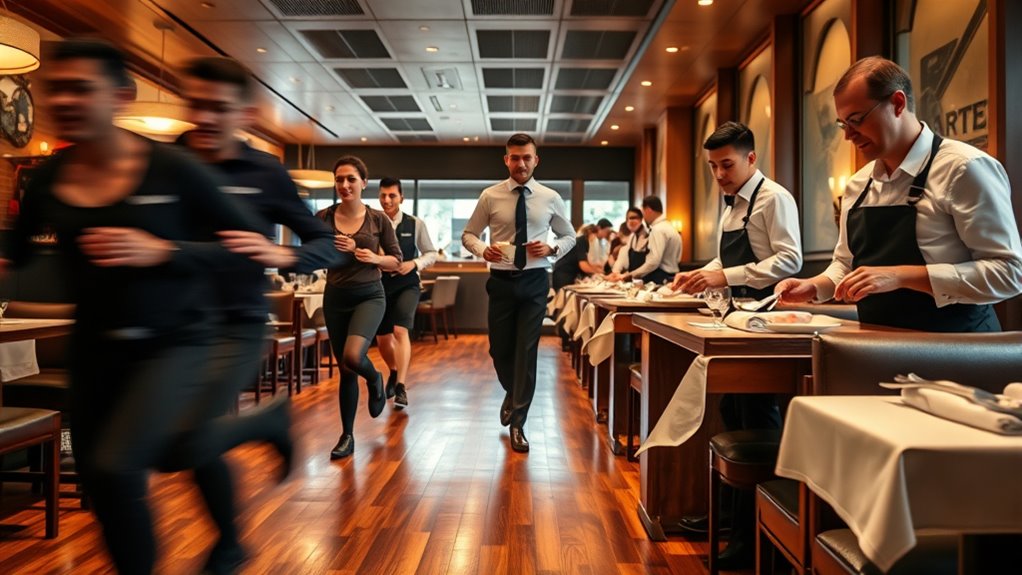
In a bustling restaurant or transportation hub, table management plays a critical role. For bussing systems, it’s about more than just clearing tables or moving vehicles—it’s about optimizing flow. Runners tend to focus on quick, straightforward tasks like clearing dishes or quickly repositioning vehicles to prevent bottlenecks. They’re often responsible for maintaining smooth table turnover or vehicle movement by swiftly handling the immediate needs of guests or passengers. Full-service bussers, on the other hand, take a more holistic approach. They coordinate closely with the entire team, ensuring that tables are reset, supplies are replenished, and the overall flow remains seamless. Both roles require a keen understanding of the environment’s rhythm and timing. Effective table management involves anticipating needs, managing resources, and making real-time decisions that keep the system running smoothly. This is where staff training becomes indispensable; well-trained staff understand the importance of their roles within the larger system, enabling them to act proactively rather than reactively.
Effective table management relies on teamwork, quick thinking, and well-trained staff to ensure seamless flow and customer satisfaction.
Staff training isn’t just about teaching specific tasks—it’s about instilling a mindset geared toward efficiency and teamwork. For runners, training emphasizes speed, adaptability, and clear communication so they can swiftly respond to changing demands without disrupting the overall flow. Full-service bussers need training that covers coordination, multitasking, and customer service skills to ensure they can handle complex scenarios and collaborate effectively with other staff members. When staff are thoroughly trained, they’re better equipped to manage the dynamics of a busy environment. They understand how their individual tasks fit into the larger operation, which minimizes delays and maximizes productivity. Additionally, understanding the importance of systems such as proper organization and flow can greatly enhance overall efficiency. Investing in staff training also boosts morale, as employees feel more confident and competent in their roles.
Ultimately, whether you’re managing a fleet of vehicles or maintaining a busy restaurant floor, success depends on strategic table management and all-encompassing staff training. Runners excel at quick, focused tasks, while full-service bussers provide a more integrated approach. Both roles are essential, but their effectiveness hinges on how well staff are trained to execute their responsibilities. When you prioritize these elements, you create a cohesive system that moves efficiently, keeps customers satisfied, and enhances overall productivity.

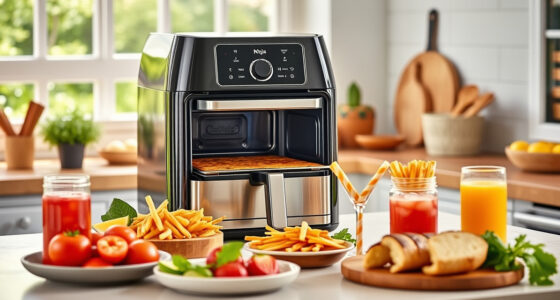
Cosori 9-in-1 TurboBlaze Air Fryer 6 Qt, Smart Control, 90°–450°F, Shake Reminders, Precise Heating for Even Results, Air Fry, Roast, Bake, Broil, Dry, Frozen, Proof, Reheat, Keep Warm, 120V, Cream
- TurboBlaze Technology: Powerful 3600 rpm fan and up to 450°F
- Even Cooking System: 5-fan system for consistent heat distribution
- Smart Control: Control via smartphone with recipes and guides
As an affiliate, we earn on qualifying purchases.
Frequently Asked Questions
What Are the Cost Differences Between Runners and Full-Service Bussers?
You’ll find that runners typically have lower labor costs, making them more cost-efficient than full-service bussers. Runners focus mainly on clearing tables and delivering food, which reduces overall labor expenses. Full-service bussers perform additional duties, like refilling drinks and attending to guests, increasing labor costs. This broader scope of work makes full-service bussers less cost-efficient, but it can enhance guest experience. Ultimately, your choice depends on balancing cost efficiency and service quality.
How Do Bussing Systems Impact Customer Satisfaction?
You’ll notice that efficient bussing systems directly boost guest experience by keeping tables clean and ready quickly, leading to higher satisfaction. When you prioritize quick table turnover, guests enjoy shorter wait times and smoother service. Runners can improve this by swiftly clearing and resetting tables, while full-service bussers add personalized touches. Ultimately, a well-organized bussing system enhances the overall dining experience, making guests feel valued and comfortable.
Which Bussing System Is More Sustainable Environmentally?
You’ll find that runners are generally more environmentally sustainable because they often reduce waste by efficiently clearing tables and minimizing disposable items. Full-service bussers might generate more waste due to additional cleaning supplies and disposable materials. By focusing on waste reduction and streamlining cleanup, a runner system has a lower environmental impact, making it a more eco-friendly choice. This approach helps conserve resources and supports sustainability efforts in your restaurant.
What Training Is Required for Runners Versus Full-Service Bussers?
You need to hit the ground running, so your training for runners and full-service bussers varies. Runners typically undergo shorter training, focusing on skill development like quick table clearing and efficient movement, often lasting a few days. Full-service bussers require more extensive training, covering detailed service techniques, customer interaction, and multitasking, which can take a week or more. Both roles demand hands-on experience to master their unique responsibilities.
How Do Bussing Systems Vary Across Different Types of Restaurants?
You’ll notice bussing systems vary based on restaurant type, especially in how they handle table setup and staff coordination. In casual spots, runners often handle quick table resets, while full-service bussers coordinate more closely with servers to guarantee smooth shiftovers. In fine dining, staff work seamlessly together for precise table setups and timely clearing. Your role adapts to these differences, emphasizing efficiency and teamwork across various restaurant styles.
Conclusion
Think of your bussing system like a well-orchestrated dance. When runners swiftly clear tables, it’s like a quick step that keeps the rhythm flowing smoothly. But relying solely on full-service bussers is like having a dedicated lead dancer—perfect for precision, yet possibly slowing the whole performance. Balancing both creates harmony, ensuring your restaurant moves seamlessly. Remember, a well-timed move can turn a busy night into a flawless show that keeps customers coming back.