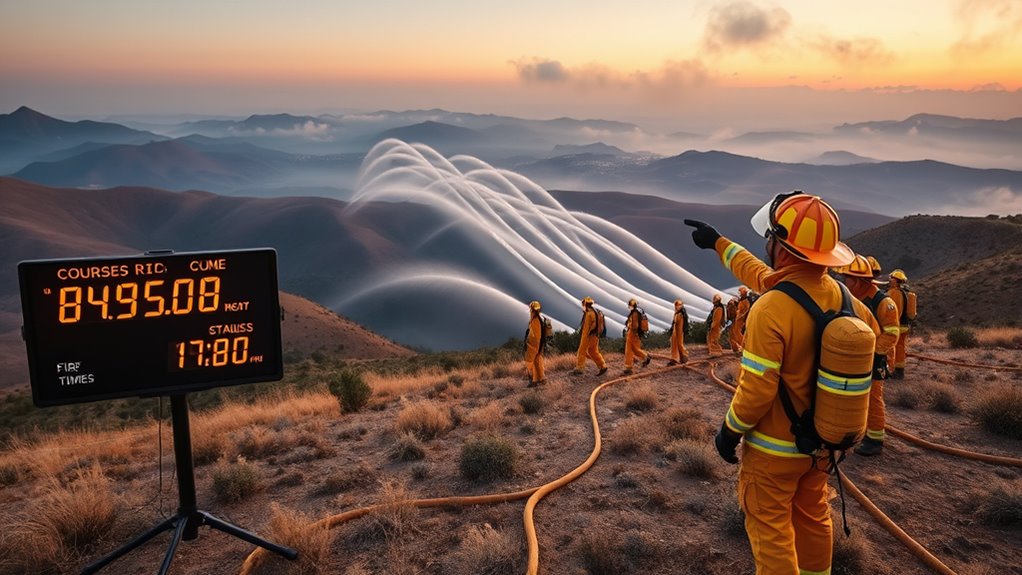

To effectively coordinate course pacing and fire times, establish clear communication channels before the event, using reliable tools like radios or digital messaging. Develop detailed plans that align pacing strategies with fire schedules at key points, and conduct mock drills to guarantee everyone understands their roles. Continuously monitor progress and remain flexible, adjusting timing as needed for safety and efficiency. Staying proactive and integrated will help you keep everything synchronized—continue to explore how to master this coordination.

Get kitchen staples and gadgets delivered free with Prime
- Fast, free delivery on millions of items
- Prime Video, Amazon Music and more included
- Member-only deals all year
Key Takeaways
- Establish clear communication channels before the event to synchronize pacing strategies with fire schedules.
- Develop detailed race plans that align course segments with specific fire timings for participant guidance.
- Conduct rehearsals to test coordination protocols, ensuring teams can handle delays or discrepancies effectively.
- Use real-time monitoring tools to adjust pacing and fire times based on live conditions and ensure safety.
- Promote ongoing communication and feedback loops for continuous synchronization and timely updates throughout the event.
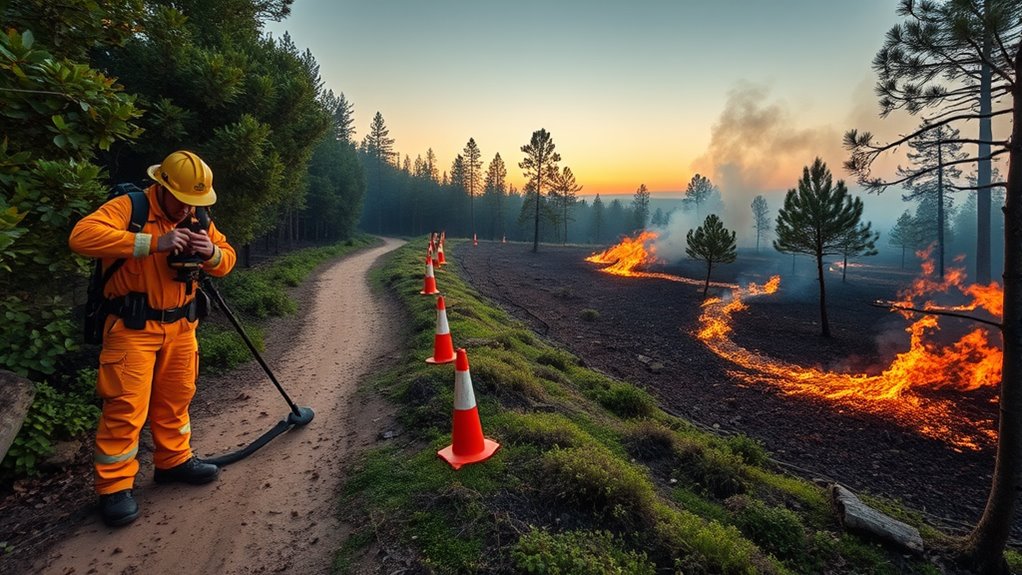
Effective coordination of course pacing and fire times is essential for ensuring a smooth and safe event. When you’re managing a complex operation like a race or a large-scale event, your ability to synchronize pacing strategies with fire times directly impacts safety, efficiency, and overall success. Your race strategy must be carefully aligned with your communication protocols to prevent confusion and ensure that all teams and participants are on the same page. This means establishing clear, reliable channels of communication before the event begins, so that instructions about pacing adjustments or fire timings can be transmitted quickly and accurately. When everyone understands the communication protocols, you reduce the risk of delays or missteps that could compromise safety or disrupt the flow of the event.
Coordinating course pacing and fire times ensures event safety, efficiency, and seamless flow through clear communication and strategic timing.
To execute this effectively, you need to plan your race strategy meticulously, considering how pacing will influence fire times and vice versa. For instance, if a particular segment of the course requires a specific pace to maintain safety or achieve desired results, this information must be integrated into your overall timing plan. You should design your fire schedule to complement the pacing plan, ensuring that fire events occur at strategic points that support the race’s flow. This coordination helps participants stay on track, prevents bottlenecks, and minimizes the chance of accidents. Your communication protocols should facilitate real-time updates about pacing and fire times, enabling quick adjustments if unexpected issues arise. Using reliable radios or digital messaging tools, you can send concise instructions to teams and personnel, keeping everyone informed and aligned. Incorporating technology into your communication plan can further enhance responsiveness and precision during the event.
Additionally, it’s important to rehearse your plan thoroughly. Conduct mock drills to test your communication protocols and ensure that everyone understands their roles in maintaining course pacing and fire timing. During these drills, emphasize how to handle discrepancies or delays, reinforcing the importance of flexibility within your established communication channels. When your team knows how to respond promptly, you can maintain control over the event’s rhythm and safety. Keep in mind that coordination isn’t a one-time task; it’s an ongoing process that requires constant monitoring and adjustments based on real-time conditions. Regular updates and feedback loops help you refine your strategy and communication plans, ensuring that course pacing and fire times remain synchronized throughout the event.
In the end, your success hinges on your ability to blend precise planning with effective communication. By integrating your race strategy with well-defined communication protocols, you create a cohesive framework that supports smooth pacing and timely fire events. This approach not only enhances safety but also ensures that the event proceeds seamlessly, leaving participants and spectators with a positive experience. Staying proactive, prepared, and adaptable helps you navigate the complexities of course pacing and fire times, ensuring the event’s objectives are met efficiently and safely.
race course communication radios
As an affiliate, we earn on qualifying purchases.
As an affiliate, we earn on qualifying purchases.
Frequently Asked Questions
How Do Weather Conditions Impact Course Pacing Strategies?
Weather conditions considerably impact your course pacing strategies. Weather delays can force you to adjust your timing, slowing down or speeding up to stay on schedule. Wind effects, especially strong gusts, challenge your control and rhythm, prompting you to modify your pace for safety and efficiency. By staying flexible and aware of these factors, you can adapt your pacing to maintain performance despite unpredictable weather conditions.
What Technologies Assist in Coordinating Fire Times Effectively?
Think of fire times coordination as conducting an orchestra—you need precise tools to keep everyone in sync. Fire timing software helps you plan and synchronize fire events seamlessly. Combined with real-time monitoring, these technologies let you adjust on the fly, ensuring safety and efficiency. They’re your baton, guiding each element to work harmoniously, so the entire operation flows smoothly without missing a beat or risking miscommunication.
How Are Safety Protocols Integrated Into Pacing and Fire Timing Plans?
You integrate safety protocols into pacing and fire timing plans by conducting regular safety drills and clearly outlining emergency protocols. These drills ensure everyone knows their roles and can respond swiftly, while emergency protocols provide a structured response to unexpected situations. You should review and update these safety measures consistently, guaranteeing they align with your pacing schedules and fire plans, to maintain a safe environment during all operations.
What Training Is Recommended for Personnel Managing Course Pacing?
You should pursue specialized training in fire management and pacing strategies to effectively manage course pacing. Focus on understanding fire behavior, safety protocols, and pacing techniques to adapt to changing conditions. Attend workshops, certification programs, and practical drills to build your skills. This training guarantees you can coordinate fire times safely while maintaining ideal pacing, helping prevent hazards and ensuring a smooth, coordinated operation during fire events.
How Is Public Communication Managed During Pacing and Fire Operations?
Think of your communication as a lifeline, connecting you to the public during pacing and fire operations. You manage public engagement by providing timely media updates, ensuring accurate and transparent information flows. You coordinate with media outlets, social media, and community channels to dispel rumors and keep everyone informed. Your clear, consistent messaging builds trust and helps calm fears, making your efforts essential in steering these critical situations smoothly.
Conclusion
By mastering course pacing and fire times coordination, you guarantee a smooth operation, avoiding surprises along the way. When you stay in sync, everything runs like clockwork, and you can handle challenges with confidence. Remember, it’s all about keeping the pieces moving together—you don’t want to be caught with your pants down. Stay proactive, communicate clearly, and you’ll navigate the course with ease, making sure the entire process flows seamlessly from start to finish.
Halloween Picks
halloween
As an affiliate, we earn on qualifying purchases.