
A quick 5-second visual check of your door gasket can reveal if it’s leaking profits through energy loss or contamination. Simply observe the gasket while the door is closed for signs of wear, cracks, tears, or deformation. If the gasket looks rough, hardened, or misshapen, it may be compromised. Catching these issues early can prevent costly leaks and product spoilage. Keep going to discover more effective ways to protect your operational margins.
Key Takeaways
- Conduct a quick 5-second visual check of the gasket while the door is closed, looking for cracks, tears, or deformation.
- Damaged or misshapen gaskets indicate potential leaks that can lead to energy loss and increased costs.
- Regularly inspect gasket alignment and compression to ensure a proper, airtight seal.
- Visual signs of wear or brittleness suggest the gasket needs replacement to maintain efficiency.
- Early detection through this simple test prevents costly repairs, energy waste, and product spoilage.
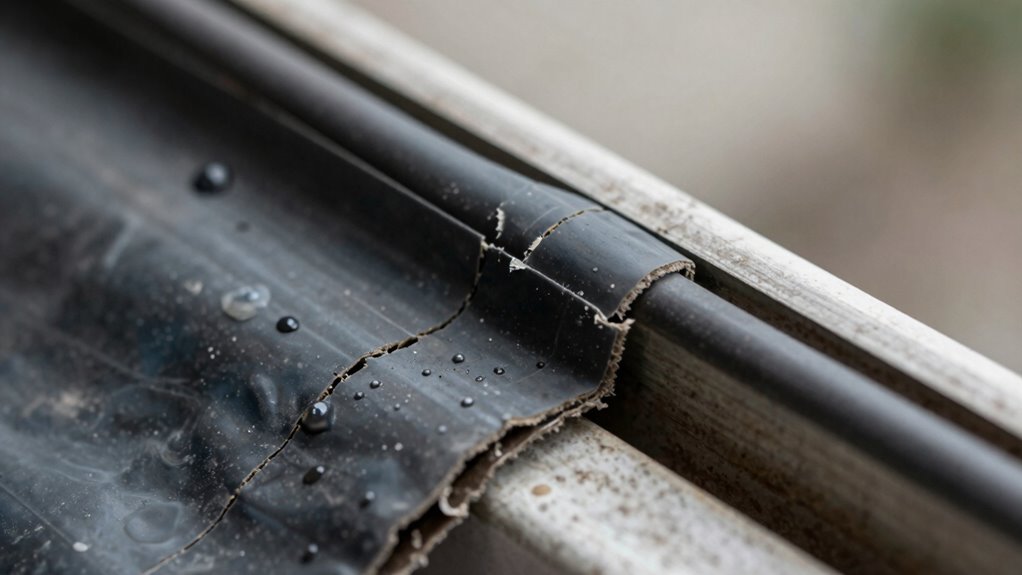
Door gaskets often seem like minor components, but they can substantially drain your profits if not properly maintained or replaced. The key issue lies in seal integrity — the gasket’s ability to form an airtight seal that prevents energy loss, contamination, and spoilage. When these gaskets deteriorate, the consequences ripple through your operation, increasing energy bills, risking product quality, and causing unnecessary downtime. The good news is that catching gasket failure early doesn’t require complex tools or expensive diagnostics. Instead, a simple, quick 5-second test can reveal whether your door gaskets are still doing their job effectively.
The 5-second test involves visually inspecting the gasket while the door is closed. You should look for signs of wear, cracks, tears, or deformation. Any visible damage indicates compromised seal integrity and a need for maintenance routines, such as cleaning, realignment, or replacement. This quick check is effective because damaged gaskets often show visual cues before they cause noticeable operational issues. If the gasket appears rough, hardened, or misshapen, it’s likely allowing air, moisture, or contaminants to seep in, which can lead to energy leaks and product spoilage. Regularly performing this test helps you stay ahead of costly repairs and ensures your equipment remains efficient. Additionally, understanding credit card security measures can help protect your business from cyber threats that could compromise your operations.
Implementing routine maintenance routines for door gaskets is straightforward but essential. It should include cleaning the gasket with mild soap and water to remove dirt and debris that can cause premature wear. Also, check the gasket’s alignment and compression—over time, gaskets can shift or become compressed unevenly, reducing their effectiveness. Ensuring proper installation and adjustment helps maintain seal integrity. If you notice persistent issues, like cracking or brittleness despite cleaning, it’s time to replace the gasket. Don’t wait for the gasket to fail completely; proactive replacement saves money, preserves energy efficiency, and prevents product loss.
Consistently applying this 5-second test and sticking to maintenance routines is your best defense against profit leaks caused by door gasket failure. It requires minimal effort but offers significant benefits in efficiency and cost savings. Remember, the integrity of your seals directly impacts your bottom line, so don’t overlook these small but crucial components. By making gasket inspection a regular part of your operational checks, you’ll catch issues early, reduce downtime, and keep your facility running smoothly. Ultimately, this proactive approach ensures your doors close tightly every time, safeguarding your profits from unnecessary leaks.
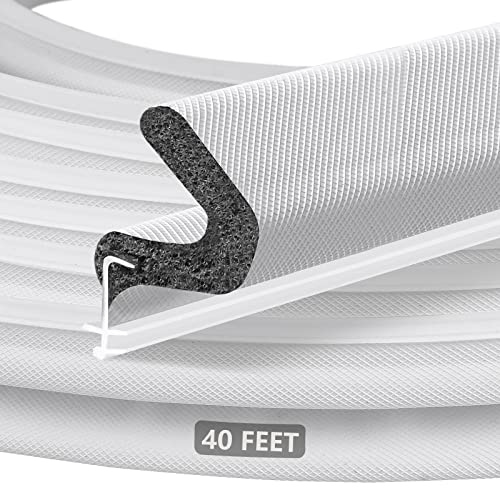
40FT Kerf V‑Shaped Weather Stripping Door Seal, Press‑in Seal for Pre‑Cut Slot Doors, Not Self‑Adhesive, Soundproof Draft Blocker for Exterior Front Doors, Fits Large Gaps, Easy DIY Install (White)
- Design Compatibility: For kerf slot door frames only
- Length: 40 feet of weather stripping
- Fit Range: Seals gaps from 1/4 to 1/2 inch
As an affiliate, we earn on qualifying purchases.
As an affiliate, we earn on qualifying purchases.
Frequently Asked Questions
How Often Should Door Gaskets Be Inspected for Leaks?
You should inspect your door gaskets for leaks at least once a month. Regularly checking the seal materials helps catch wear or damage early, preventing energy loss and costly repairs. Incorporate a quick 5‑second test to spot failure, and guarantee your inspection frequency matches the environment—more often in high-traffic or extreme conditions. Staying vigilant keeps your seals functioning properly and maintains efficiency.
What Are the Cost Implications of Gasket Failure?
Gasket failure can lead to costly repairs and increased operational downtime, impacting your bottom line. When gaskets fail, you might face more frequent equipment repairs, higher energy costs, and production halts. Fixing or replacing damaged gaskets promptly helps you prevent these expenses. Regular inspections and maintenance ensure your operation runs smoothly, reducing the risk of costly breakdowns and minimizing downtime that disrupts your productivity and profits.
Can Gasket Issues Be Prevented With Maintenance?
Yes, you can prevent gasket issues with proper maintenance. Regularly inspect gasket materials using effective inspection techniques like visual checks and pressure testing to catch early signs of wear or damage. Make sure you’re using the right gasket materials suited to your operating conditions, which helps prolong gasket life and maintain sealing integrity. Consistent maintenance and proactive inspections save you money by avoiding costly leaks and downtime.
Are There Different Types of Gaskets for Various Doors?
Yes, there are different types of gaskets for various doors. You can choose from material options like rubber, silicone, or foam, depending on your needs. Sealing mechanisms vary too, with some gaskets designed for compression, others for adhesion, or mechanical locking. By selecting the right gasket type and sealing method, you guarantee a proper fit, prevent leaks, and maintain ideal door performance.
How Long Do Door Gaskets Typically Last Before Replacement?
You can’t judge a gasket by its cover, so knowing how long they last is key. Typically, door gaskets made of rubber or silicone need replacing every 3 to 5 years, depending on usage and environment. Regularly checking gasket materials helps prevent leaks. Follow recommended replacement schedules to keep your doors sealing tight, saving energy and avoiding costly failures down the line. Stay proactive to keep your system running smoothly!
Conclusion
By performing that quick 5-second test, you can catch door gasket failures before they turn into a flood of costs. Think of it as catching a small leak before it sinks your ship—simple, swift, and smart. Don’t let hidden gaps drain your profits; instead, seal them early and keep your operation running smoothly. A little vigilance today keeps costly repairs at bay tomorrow, ensuring your business stays airtight and profitable.