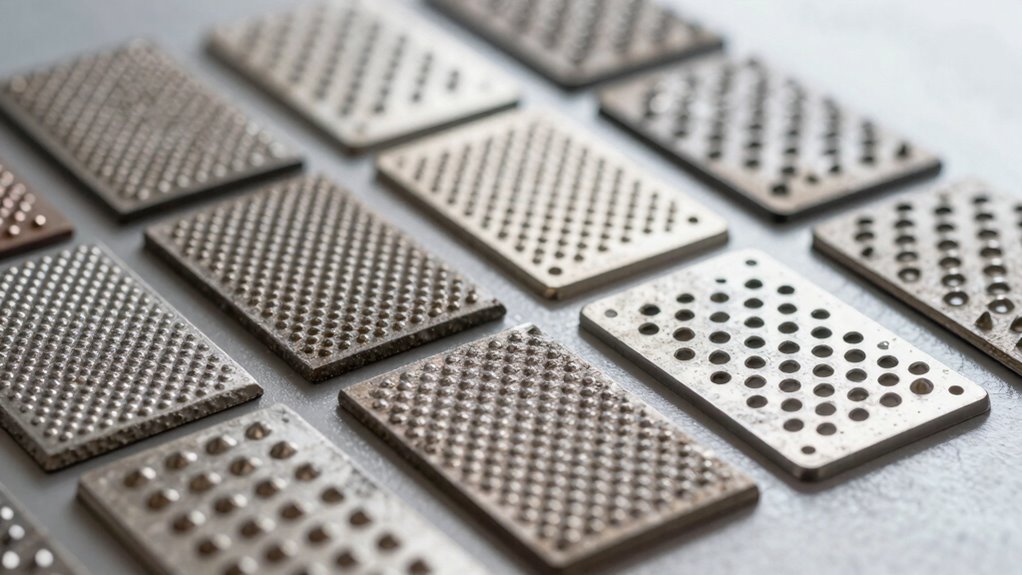

To fix mushy results, choosing the right meat grinder plate is key. Larger holes give a coarser grind, perfect for burgers or chili, while smaller holes create a finer texture for sausages or pâtés. Regularly maintaining sharp, clean plates helps you process meat smoothly without crushing it. Understanding how hole size and pattern affect texture allows you to get consistent results. Keep exploring further tips to fine-tune your grinding process and perfect your meat quality.

Get kitchen staples and gadgets delivered free with Prime
- Fast, free delivery on millions of items
- Prime Video, Amazon Music and more included
- Member-only deals all year
Key Takeaways
- Selecting the right plate size and hole pattern controls meat coarseness, preventing mushy textures.
- Regularly cleaning and sharpening plates ensures smooth cuts, maintaining firm, well-textured ground meat.
- Finer plates with smaller holes produce smoother, less mushy results for delicate recipes like sausages.
- Damaged or dull plates crush meat instead of cutting, leading to a mushy consistency; proper maintenance fixes this.
- Matching plate type to your desired texture and keeping it in top condition prevents mushiness and improves overall quality.
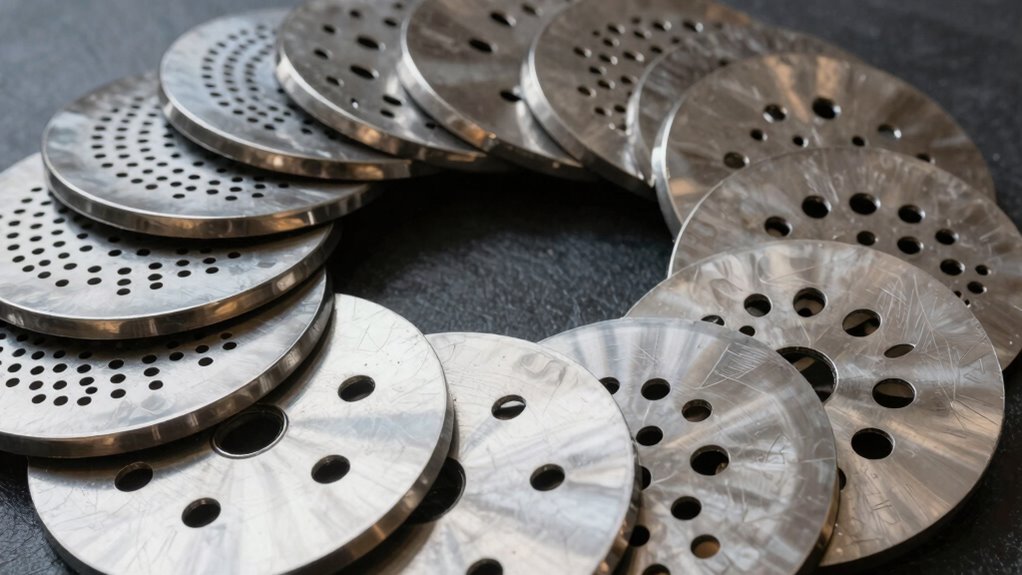
Meat grinder plates are essential components that determine the texture and quality of your ground meat. When choosing the right plate, you’re directly influencing the meat quality, which impacts the overall flavor, appearance, and mouthfeel of your finished product. The key to achieving the perfect grind lies in understanding how different plate sizes and hole patterns affect the texture. If you want your ground meat to be coarse for burgers or fine for sausages, selecting the appropriate plate is vital. But it’s not just about choosing the right plate initially; grinder maintenance plays an important role in guaranteeing consistent results. Regularly cleaning and inspecting your plates prevents buildup of meat residue and prevents dullness, which can lead to uneven grinding and mushy textures.
When your grinder is well-maintained, the plates perform at their best, helping you maintain control over meat quality. A clean, sharp plate ensures the meat is processed smoothly without excessive force, which can generate heat and degrade the meat’s natural texture. Dull or dirty plates tend to crush the meat instead of cutting it cleanly, resulting in a mushy consistency. To prevent this, clean your plates thoroughly after each use and sharpen or replace them as needed. Proper grinder maintenance also involves checking for cracks or damage that could compromise the meat quality or the safety of your grind. By maintaining your grinder diligently, you guarantee that each batch of meat is ground uniformly and retains its fresh, firm texture. Proper maintenance is essential for consistent grinding performance and optimal meat quality.
Understanding the role of plate size and hole pattern helps you control the meat’s final texture. Larger holes produce coarser grinds, ideal for steak tartare or chili, while smaller holes yield finer ground meat suitable for sausages or pâtés. A plate with a tighter pattern offers a smoother, more consistent grind, but it can also increase the risk of clogging if not maintained properly. Hence, selecting the right plate for your specific needs and keeping it in top condition are key steps toward consistently achieving the meat quality you desire. When your grinder is properly maintained, you can switch plates easily and trust that your ground meat will come out just right—never mushy or uneven. In the end, understanding your plates and maintaining your equipment empowers you to produce high-quality ground meat every time, elevating your culinary creations with the perfect texture.
meat grinder plates with different hole sizes
As an affiliate, we earn on qualifying purchases.
As an affiliate, we earn on qualifying purchases.
Frequently Asked Questions
How Do I Clean and Maintain Meat Grinder Plates Properly?
To clean and maintain meat grinder plates properly, you should regularly follow cleaning techniques like disassembling the parts and scrubbing with warm, soapy water. Avoid using harsh brushes to prevent scratches. Dry all components thoroughly to prevent rust. Maintenance tips include oiling the plates lightly after cleaning, storing them in a dry place, and inspecting for wear. Regular cleaning and proper upkeep make certain your plates stay sharp and function smoothly.
Can I Use Different Plates for Poultry and Beef?
Did you know that using different plates can improve your grinding results by up to 30%? Yes, you can use separate plates for poultry and beef. Choose plates made from durable materials like stainless steel for beef and softer materials for poultry to prevent cross-contamination. Adjusting the plate material and grinding capacity ensures ideal texture and food safety, so switching plates is a smart move for better, safer results.
What Safety Precautions Are Necessary When Changing Plates?
When changing plates, you should wear safety gloves to protect your hands from sharp edges. Use proper plate removal techniques, like gently loosening and lifting the plate, to avoid injury. Always unplug the grinder before starting, and make certain the machine is stable. Take your time, and handle the plates carefully to prevent accidents. Following these safety precautions keeps you safe and maintains your equipment’s longevity.
Are There Specific Plates for Making Sausage or Paté?
Yes, there are specific plates for making sausage or pâté. You should use a sausage plate, which has a small, fine opening ideal for stuffing casings, ensuring smooth, uniform links. For pâté, a pâté plate offers a wider, flatter opening that creates a finer grind suitable for a creamy texture. Using these specialized plates helps achieve the desired consistency and quality in your homemade products.
How Long Do Meat Grinder Plates Typically Last?
Your meat grinder plates typically last about 3 to 5 years, depending on plate material and grinding frequency. If you use stainless steel plates, they tend to last longer because they resist corrosion better. However, if you grind meat frequently, you’ll notice wear faster, especially on plates made from softer materials like aluminum. Regular cleaning and proper maintenance can also extend the lifespan of your plates.
Conclusion
Now that you know how different grinder plates affect texture, you can confidently choose the right one for your recipe. Don’t worry if your first batch turns out a bit mushy—it’s just a sign to switch plates next time. Picture perfectly ground meat with a satisfying bite, ready for your favorite dish. With this knowledge, you’ll craft consistently great results, transforming your kitchen into a gourmet meat-curing haven.
Columbus Day / Indigenous Peoples' Day Picks
long weekend sales
As an affiliate, we earn on qualifying purchases.