To stop sticky buildup on dough rollers, clean them immediately after use with a damp cloth or soft sponge, avoiding abrasive scrubbers. Unplug electric models before wiping, and use warm water with mild soap for stubborn residues, then rinse and dry thoroughly to prevent rust. Regular maintenance, checking for wear, and avoiding excess moisture are key. Keep your rollers in top shape by following proper cleaning methods—continue if you want to master the best techniques.
Key Takeaways
- Clean dough rollers immediately after use with a damp cloth to prevent dough hardening and sticky residue buildup.
- Use mild soap and warm water for thorough cleaning, ensuring all residues are removed.
- Dry rollers completely to prevent rust and corrosion, especially on metal surfaces.
- Regularly inspect and lubricate moving parts to maintain smooth operation and prevent sticking.
- Avoid abrasive tools; opt for soft sponges or cloths to prevent surface scratches and long-term buildup.

Dough rollers are vital tools in both home kitchens and professional bakeries, making it easy to achieve smooth, even dough every time. However, to keep your dough roller functioning properly and producing consistently good results, proper dough roller maintenance is essential. One of the most overlooked aspects of maintenance is cleaning dough rollers regularly and thoroughly. Sticky build-up can not only affect the quality of your dough but also cause the roller to jam or wear out prematurely.
Regular, thorough cleaning of dough rollers is essential to prevent sticky build-up and ensure optimal performance.
When it comes to cleaning dough rollers, timing is everything. You should clean them immediately after use to prevent dough remnants from hardening and becoming more difficult to remove later. Start by unplugging the roller if it’s electric, then wipe down the surface with a damp cloth or soft sponge. Avoid using abrasive scrubbers that could scratch the surface or damage the rollers. For stubborn dough residue, you can gently warm a cloth with a mild soap solution and wipe again, ensuring no soap residue remains. Regular cleaning prevents sticky build-up from forming, which can be a real headache down the line. Proper cleaning techniques are essential for maintaining optimal performance.
If you notice that dough is sticking more than usual or the surface feels tacky, it’s a sign that your cleaning routine needs to be more thorough. For deeper cleaning, use warm water and a mild detergent to scrub the rollers. Make sure to rinse off any soap thoroughly, as leftover residue can interfere with future dough handling. Dry the rollers completely with a clean cloth to prevent rust or corrosion, especially on metal parts. For electric dough rollers, be cautious around the motor and electrical components, avoiding excess moisture that could cause damage.
Maintaining your dough roller isn’t just about cleaning; it also involves regular inspection. Check for signs of wear, loose parts, or damage that could affect performance. Lubricate moving parts if recommended by the manufacturer, and replace worn-out components promptly. If your model has removable parts, clean those separately to ensure no dough or flour particles get trapped inside. Proper dough roller maintenance extends the lifespan of your equipment and ensures consistent results every time you roll out dough.

Hanroy Sponge Paint Roller Small 7" for Texture Painting Decorators Brush Tool, Fast and Easy Pattern Art Sponge Roller for Home Wall(RM488K)
PACKAGE INCLUDING: 1pc natural sea sponge paint roller.
As an affiliate, we earn on qualifying purchases.
As an affiliate, we earn on qualifying purchases.
Frequently Asked Questions
Can Dough Rollers Be Used on All Types of Dough?
Yes, dough rollers can be used on most types of dough, but you should consider dough roller maintenance and hygiene practices. For sticky or oily doughs, clean your roller thoroughly afterward to prevent residue buildup. Use appropriate cleaning methods for different dough textures, and make certain the equipment stays sanitized. This way, you keep your dough roller in good condition, avoid cross-contamination, and maintain high hygiene standards for safe, efficient use.
How Often Should I Clean My Dough Rollers?
Cleaning your dough rollers is like tending a garden—you need regular care to keep it thriving. You should clean your dough roller after every use to prevent sticky build-up and maintain ideal dough quality. Follow proper dough roller maintenance and cleaning frequency guidelines, which typically recommend cleaning at least once a day if used frequently. This routine helps ensure smooth operation and prevents residue from affecting future batches.
Are Dough Rollers Dishwasher Safe?
Yes, many dough rollers are dishwasher safe, but you should check your manufacturer’s cleaning techniques and maintenance tips first. If they’re dishwasher safe, you can place the parts on the top rack for easy cleaning. For non-dishwasher-safe rollers, hand wash with warm, soapy water and a soft brush. Regular maintenance, like wiping down after use, helps prevent sticky build-up and prolongs the lifespan of your dough rollers.
What Materials Are Best for Replacing Dough Roller Parts?
For replacing dough roller parts, choose materials with high durability like stainless steel or sturdy food-grade plastics. These materials resist wear and tear, reducing the replacement frequency and ensuring long-lasting performance. Stainless steel offers excellent durability and easy cleaning, while high-quality plastics are lightweight and cost-effective. Opt for parts made from these materials to maintain your dough roller’s efficiency and minimize the need for frequent replacements, saving you time and money.
Can Dough Rollers Be Used for Non-Food Applications?
You can definitely use dough rollers for non-food applications, turning them into versatile tools in your workspace. Imagine a robust worker helping you tackle industrial applications or medical device cleaning, where precision and hygiene matter. These rollers can adapt to various surfaces, making cleaning efficient and thorough. Just make certain they’re properly sanitized between uses, so they remain safe and effective for delicate medical equipment or heavy-duty industrial tasks.
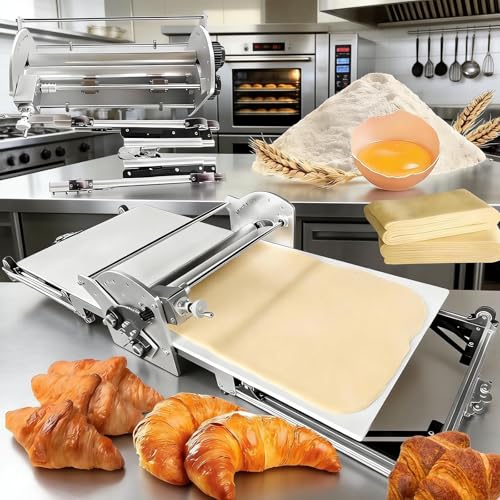
lealovengzh Commercial Electric Dough Sheeter & Pastry Roller Machine, 40 Inch Wide Conveyor, Auto Forward/Reverse, Adjustable Thickness for Croissant, Pie, Puff Pastry, Compact Foldable Design
▶️ 【Unrivaled Efficiency with a 40" Electric Dough Sheeter】Transform your workflow with our expansive 40-inch wide conveyor. This…
As an affiliate, we earn on qualifying purchases.
As an affiliate, we earn on qualifying purchases.
Conclusion
Next time you tackle sticky dough, remember what I learned from cleaning my mixer: a quick wipe with a damp cloth prevents buildup like a quick brush clears away dust. Just like a gardener tends to plants before they overgrow, your effort keeps your equipment smooth and ready. A simple cleanup now saves hours later—so don’t let sticky messes grow wild. Stay consistent, and your dough rollers will thank you with perfect, effortless results every time.

Adjustable Rolling Pin with Thickness Rings for Baking,17" Stainless Steel Dough Roller,Measurement Markings Rolling Pins For Pizza, tortilla,Pie,Pasta,Fondant,Cookies,Perfect for Chefs & Home Bakers
Adjustable Rolling Pin With Thickness Rings:Engineered With Premium Rust-Resistant Stainless Steel,This Professional-Grade Baking Rolling Pin Tool,This Baking Rolling…
As an affiliate, we earn on qualifying purchases.
As an affiliate, we earn on qualifying purchases.

Natural Horsehair Cleaning Brush for Banneton Proofing Baskets, Round Sourdough Bread Basket Scraper & Flour Crumb Brush, Beech Wood Handle, Shed-Free Baking Supplies
Deep Seam Cleaning with Round Head – Unlike traditional long straight brushes, our innovative circular brush head is…
As an affiliate, we earn on qualifying purchases.
As an affiliate, we earn on qualifying purchases.