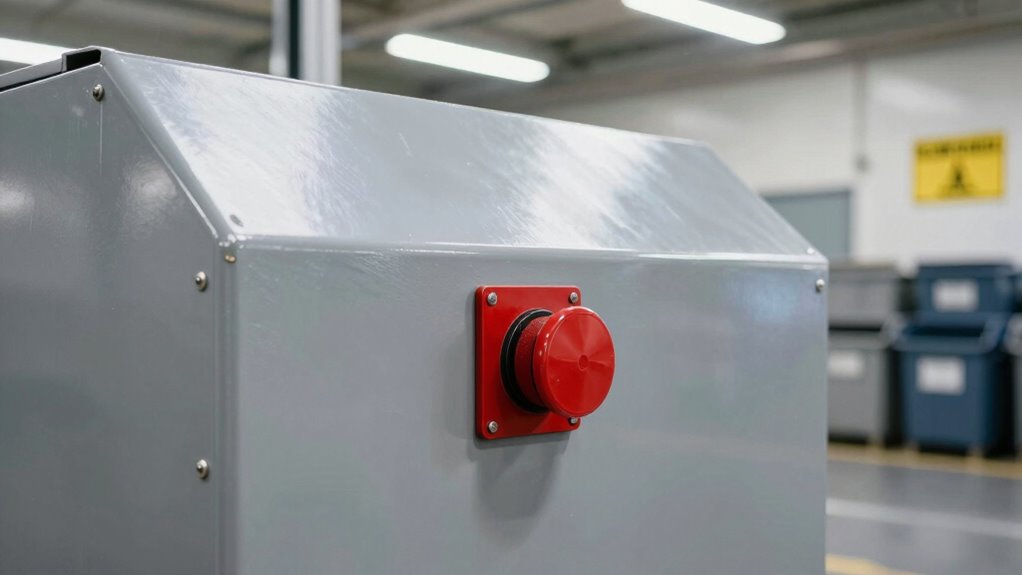

To prevent disasters with trash compactors, always practice the lockout safety habit before maintenance or jamming. This means disconnecting the power source and securely locking out the equipment to prevent accidental activation. Following this safety step protects you from crushing injuries, electrical shocks, and mechanical failures. Making lockout/tagout procedures a consistent habit creates a safer environment. Keep going to learn essential tips that help you stay safe and responsible around trash compactors.

Get kitchen staples and gadgets delivered free — and shop member deals
- Fast, free delivery on millions of items
- Access to Prime Big Deal Days deals on October 6–7
- Prime Video, Amazon Music and more included
Key Takeaways
- Always disconnect power and secure the compactor with lockout/tagout procedures before maintenance.
- Lockout ensures accidental activation is prevented, protecting workers from crushing injuries.
- Proper training on lockout protocols increases awareness and compliance among operators.
- Visible lockout devices and signage reinforce safety habits and remind personnel of hazards.
- Regularly review and practice lockout procedures to maintain a strong safety culture and prevent disasters.
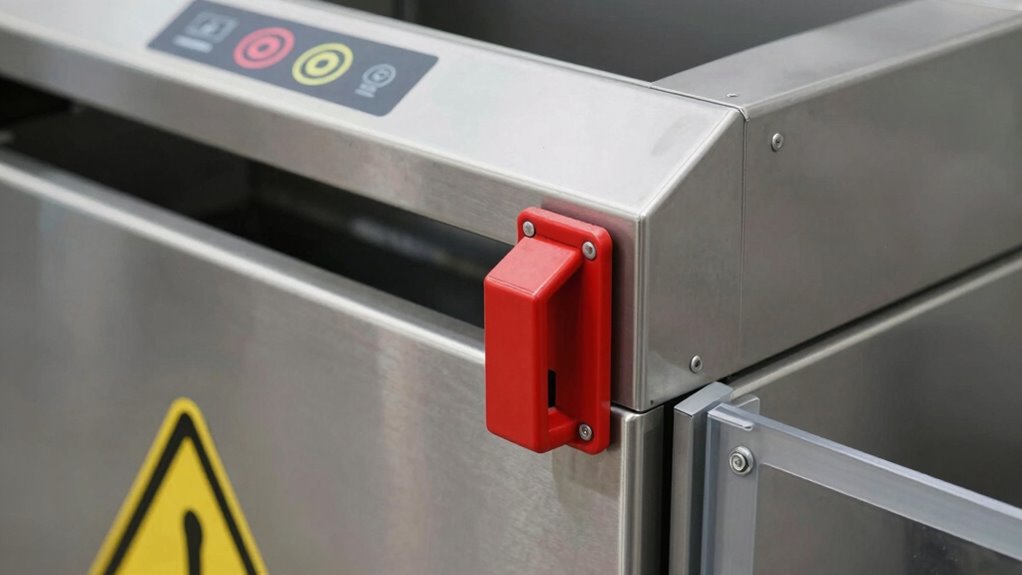
Have you ever wondered how to make waste management easier and more efficient? Using trash compactors is a smart way to reduce waste volume and streamline disposal processes. However, safety should always come first to prevent accidents and injuries. Before operating a trash compactor, you need to understand and follow proper safety procedures. These procedures are designed to protect you from potential hazards like crushing injuries, electrical shocks, or mechanical failures. Always make certain the compactor is turned off and unplugged before performing any maintenance or clearing jams. Regularly reviewing and adhering to safety procedures helps you stay aware of the risks and makes sure you handle the equipment responsibly.
Using trash compactors safely reduces waste volume and prevents accidents through proper procedures.
Implementing a strict maintenance schedule is essential for keeping trash compactors functioning safely and efficiently. Maintenance schedules should include routine inspections, cleaning, lubrication, and part replacements as needed. Regular inspections allow you to identify signs of wear or damage early, preventing sudden breakdowns or dangerous malfunctions. For example, checking hydraulic systems, electrical connections, and safety switches should be part of your routine. Keeping the compactor clean and free of debris not only extends its lifespan but also reduces fire hazards. Lubricating moving parts according to manufacturer guidelines ensures smooth operation and minimizes mechanical stress. By sticking to a maintenance schedule, you reduce the likelihood of unexpected failures that could cause injuries or damage.
Training is another crucial component of safe trash compactor use. Make sure everyone operating the equipment understands the safety procedures and knows how to follow them correctly. Proper training should include instructions on lockout/tagout procedures, which are vital for preventing accidental activation during maintenance. Lockout safety habits involve disconnecting power sources and securing the equipment before any work begins. This habit safeguards you and others from unintended operation that could result in crushing injuries or other accidents. Reinforcing these safety habits regularly helps create a safety-first culture in your workplace or facility.
In addition to safety procedures and maintenance schedules, signage and clear instructions around the equipment remind users of best practices. Always make certain safety labels are visible and legible, and encourage everyone to follow established protocols. Creating a culture of safety around trash compactors minimizes risks and promotes responsible usage. By combining diligent adherence to safety procedures, regular maintenance, and lockout safety habits, you can greatly reduce the chance of disasters. Making waste management safer and more efficient isn’t just about equipment — it’s about fostering a safety-conscious environment that protects everyone involved.
As an affiliate, we earn on qualifying purchases.
Frequently Asked Questions
How Often Should Trash Compactors Be Inspected for Safety?
You should perform safety checks on trash compactors at least once a month, making certain the inspection frequency is maintained regularly. During these safety checks, look for any worn or damaged parts, loose connections, or malfunctioning lockout systems. Consistent inspections help identify potential hazards early, preventing accidents. By following a routine inspection schedule, you ensure the safety of everyone working around the compactor and maintain compliance with safety standards.
What Are Common Signs of a Malfunctioning Trash Compactor?
Think of your trash compactor as a vigilant guard, and its sensors as watchful eyes. When signs like unusual noises, jammed movements, or inconsistent operation appear, it indicates a malfunction. A failing safety lockout may not activate when needed, risking injury. Regularly check the compactor sensors and make certain the safety lockout functions properly. Addressing these signs promptly keeps the guard alert and prevents potential accidents.
Are There Specific Safety Certifications for Trash Compactor Models?
Yes, there are specific safety certifications for trash compactor models. You should look for certification standards like UL or ANSI, which verify the equipment meets safety and performance criteria. These models often feature safety labels that highlight proper use and precautions. By choosing certified trash compactors, you can reduce risks, ensure compliance with safety regulations, and promote a safer environment during operation.
How Can Children Be Kept Safe Around Trash Compactors?
Did you know children are four times more likely to get injured around trash compactors? To keep kids safe, always supervise them closely and never leave them unattended near these machines. Installing safety barriers around trash compactors creates a physical boundary, preventing accidental access. Teach kids about the dangers, and make sure the lockout safety habit is followed diligently. Your active supervision and safety measures are essential in preventing accidents.
What Maintenance Practices Help Prevent Accidents?
You should follow regular maintenance routines, like inspecting safety features and ensuring proper lubrication, to prevent accidents. Always perform safety training for everyone who operates or works near the trash compactor, emphasizing lockout/tagout procedures. By staying vigilant with maintenance and educating your team, you reduce risks of mechanical failure or injuries. Consistent upkeep and safety awareness are key to keeping everyone safe around trash compactors.
Conclusion
By always locking out your trash compactor, you turn a simple safety step into a reliable habit—one that quietly guards against accidents. It’s no coincidence that those who develop this habit often find themselves avoiding dangerous situations altogether. Just as a routine can unexpectedly save you from harm, a small act like locking out can prevent disasters before they happen. So, make it your habit; safety often resides in the little things you least expect.
Fall Picks
fall essentials
As an affiliate, we earn on qualifying purchases.