NSF certification means a product has undergone testing and meets strict safety and quality standards, giving you confidence it’s safe for everyday use. It involves thorough inspections of manufacturing processes, ingredients, and labeling. However, it doesn’t guarantee the product is the only safe option or completely risk-free. If you want to understand what the certification covers and what it doesn’t, there’s more to learn about how NSF certification works.
Key Takeaways
- NSF Certification verifies that products meet strict health, safety, and quality standards through rigorous testing and inspections.
- The NSF mark indicates successful certification, signaling consumer trust, but does not guarantee the product is completely risk-free.
- Certification covers ingredients, manufacturing processes, labeling, and packaging to prevent contamination and false claims.
- NSF acts as a third-party validator, but it does not imply the product is the only safe or suitable option available.
- Ongoing inspections ensure continued compliance, but certification alone isn’t a guarantee of absolute safety.
Have you ever wondered what makes a product safe and trustworthy for everyday use? One key factor is food safety, which ensures that products you rely on meet strict health and safety standards. When it comes to certifying that products are safe, the NSF certification process plays a crucial role. This process is designed to verify that manufacturers follow rigorous guidelines, so you can trust that the products you buy won’t pose health risks.
The NSF certification process involves a series of detailed inspections and testing procedures. During this process, NSF International, the organization behind the certification, evaluates a company’s manufacturing facilities, quality control systems, and product formulations. They check that products conform to relevant safety standards and don’t contain harmful contaminants or substances. This thorough review isn’t just a one-time event; it involves ongoing inspections to ensure continued compliance, giving you confidence that certified products remain safe over time.
Getting NSF certified isn’t just about passing a single test. It’s an extensive review that covers everything from raw materials to finished goods. For food-related products, this means verifying that ingredients are safe and free from dangerous bacteria or chemicals. It also involves ensuring that packaging and labeling are accurate, so you’re not misled about what you’re buying. The certification process aims to prevent issues like contamination, adulteration, or false claims that could jeopardize food safety.
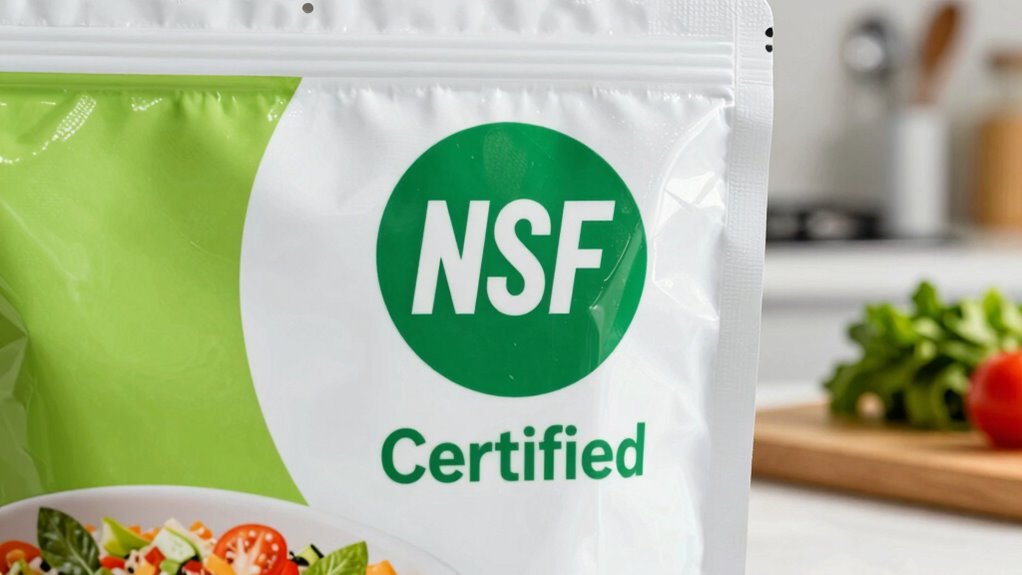
NSF certification ensures food safety by verifying ingredients, packaging, and labeling from raw materials to finished products.
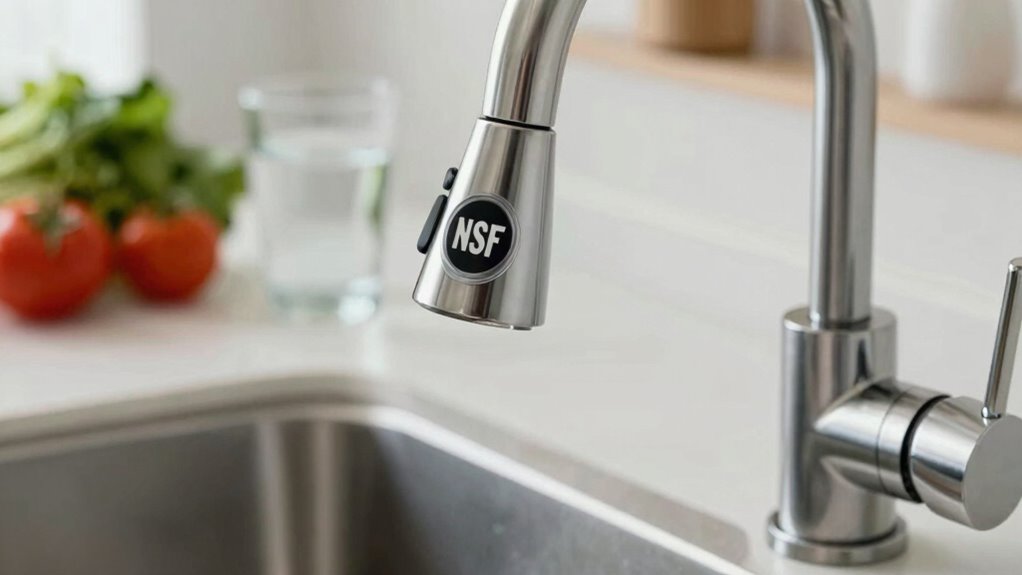
When you see the NSF mark on a product, it indicates that the item has successfully gone through this detailed certification process. It’s a symbol of trust backed by a reputable organization committed to safeguarding public health. However, it’s important to remember that NSF certification doesn’t mean the product is completely risk-free or that it’s the only safe option available. Instead, it signifies that the product meets specific safety standards and has been tested for compliance, making it a reliable choice for consumers who prioritize safety.
In essence, NSF certification is a valuable indicator of a product’s safety and quality. It reassures you that a third-party organization has examined the manufacturing process and verified that the product adheres to strict safety standards, including those related to food safety. Understanding certification standards helps you make informed decisions and choose products that are both safe and trustworthy for everyday use.
![4QT NSF Food Storage Containers: 8 PCS [Food Grade][Hot&Cold Resistant] Commercial Clear Food Storage Containers with Lids for Restaurant Kitchen Proof Dough, Measuring Spoons Included(BPA FREE)](https://m.media-amazon.com/images/I/51cdAy5qI2L._SL500_.jpg)
4QT NSF Food Storage Containers: 8 PCS [Food Grade][Hot&Cold Resistant] Commercial Clear Food Storage Containers with Lids for Restaurant Kitchen Proof Dough, Measuring Spoons Included(BPA FREE)
- Set Includes: 4 quart containers, lids, labels, and measuring cups
- Clear & Durable: Transparent material resists damage and allows visibility
- Food Safe & Eco-Friendly: NSF certified, BPA free, safe for hot and cold use
As an affiliate, we earn on qualifying purchases.
As an affiliate, we earn on qualifying purchases.
Frequently Asked Questions
Can NSF Certification Guarantee Product Safety Long-Term?
NSF certification doesn’t guarantee long-term product safety, as it primarily guarantees that products meet specific safety and quality standards at the time of testing. While it can indicate good product durability, certification limitations exist because ongoing factors like wear and tear or misuse can affect safety over time. You should still regularly check products and follow manufacturer guidelines to maintain safety and performance, despite NSF certification.
How Often Do NSF Certifications Need Renewal or Renewal Testing?
You’ll want to stay on top of your NSF certification because it typically requires renewal every one to three years. During the renewal process, your product undergoes rigorous testing to make certain it still meets all standards. This frequent product testing and renewal process guarantees your product remains compliant, safe, and trusted. Don’t ignore it—regular renewal keeps your certification valid and your reputation intact in a competitive market!
Does NSF Certification Cover All International Safety Standards?
NSF certification doesn’t cover all international safety standards; it mainly focuses on product standards and safety compliance within specific regions, like the U.S. or Canada. If you’re selling products globally, you need to check additional certifications for each country. NSF ensures your product meets certain safety criteria, but it’s vital to verify whether it aligns with other international standards to ensure full compliance worldwide.
Are NSF Certifications Recognized Outside the United States?
Did you know that over 80% of global consumers trust NSF certification? Yes, NSF certifications are recognized outside the United States, offering international recognition that aligns with global standards. This means your NSF-certified products meet rigorous safety and quality benchmarks worldwide. When you see NSF marks, you can confidently trust their adherence to international standards, ensuring safety and compliance in various markets across the globe.
What Is the Cost Range for Obtaining NSF Certification?
The cost range for obtaining NSF certification varies depending on the product type, testing complexity, and certification scope. Typically, certification expenses can start around $5,000 and go up to $50,000 or more. You should consider fees for testing, inspection, and ongoing audits. To get an accurate estimate, contact NSF directly, as your specific product and certification requirements will influence the overall certification expenses.
Conclusion
Getting NSF certified means you can trust that a product meets strict safety and quality standards. For example, imagine you’re choosing a filtered water pitcher; knowing it’s NSF certified reassures you that it’s been tested and is safe to use. Don’t assume certification guarantees everything—always check the specific standards met. Ultimately, NSF certification is a valuable badge of trust, helping you make informed decisions and ensuring your health and safety.