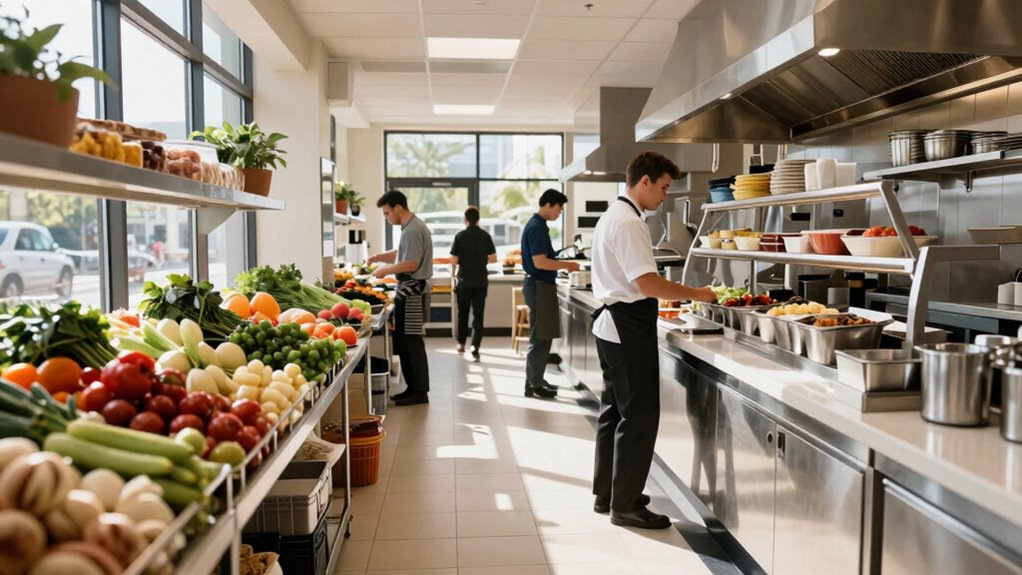

To build a restaurant walkthrough that finds problems fast, start with a systematic approach that includes regular staff training, menu assessments, and detailed inspections of cleanliness, equipment, and customer seating. Use checklists to stay organized and involve team members for insights. Focus on observing workflow, safety, and service standards, and review these areas consistently for continuous improvement. If you keep refining this process, you’ll uncover issues early and improve operations more effectively.
Prime for Young Adults — start your free trial
Fast free delivery, streaming and member deals for eligible 18–24 year olds.
As an affiliate, we earn on qualifying purchases.
Key Takeaways
- Develop a detailed checklist covering cleanliness, equipment, lighting, noise, and workflow areas for thorough inspections.
- Conduct regular staff training to enhance problem detection skills and promote accountability.
- Observe kitchen and service areas during walkthroughs to identify bottlenecks and operational inefficiencies early.
- Incorporate feedback from team members to gain diverse insights and improve problem-solving accuracy.
- Use a systematic, repeatable process and review findings regularly to ensure continuous improvement.
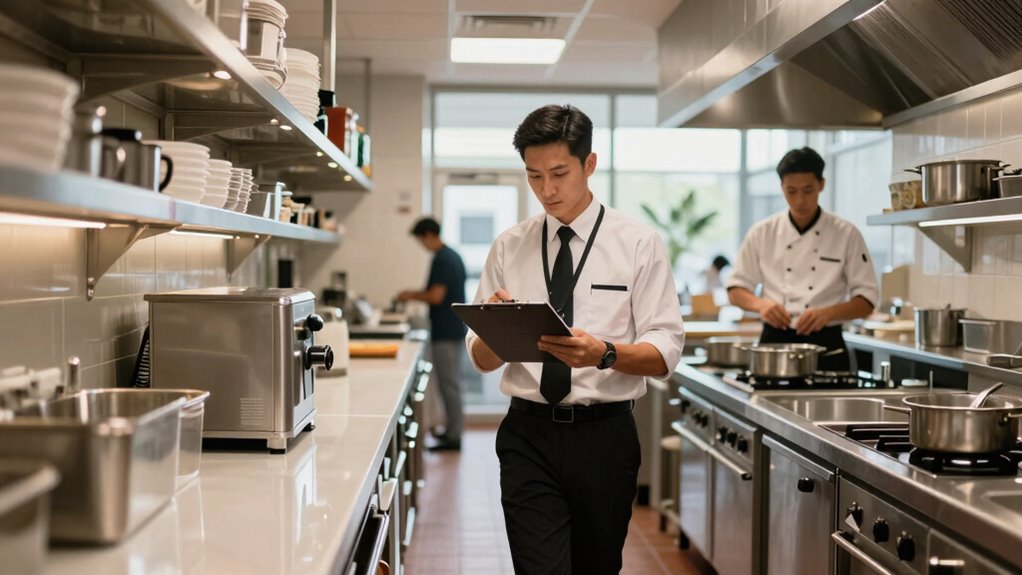
Are you ready to create a detailed restaurant walkthrough that impresses clients and streamlines your operations? The key is to develop a systematic approach that quickly identifies issues and keeps your team aligned. Starting with staff training is essential. When your staff understands every aspect of the restaurant’s workflow, they’re more likely to spot problems early. Incorporate regular training sessions that emphasize your service standards, safety procedures, and how to handle customer complaints. Well-trained staff can notice small issues before they escalate, saving you time and resources. Additionally, thorough staff training fosters a culture of accountability, making everyone more engaged in maintaining high standards.
Effective staff training ensures early problem detection and maintains high standards in your restaurant operations.
Next, focus on menu optimization. Your menu isn’t just a list of dishes; it’s a blueprint for smooth operations. During your walkthrough, assess how well your menu design supports your kitchen’s workflow. Are there items that consistently cause delays or confusion? Simplify complex dishes or ingredients that slow down service. Streamlining your menu reduces prep time, minimizes errors, and enhances overall efficiency. Plus, an optimized menu aligns your kitchen staff’s skills with what’s most profitable and manageable, preventing bottlenecks during busy periods. When you review menu layout and station assignments, you can identify overlaps or gaps that impact service speed. Incorporating kitchen workflow considerations during your walkthrough helps you pinpoint areas for improvement more precisely.
As you walk through your restaurant, pay attention to every detail — from the cleanliness of the dining area to the functionality of your equipment. Make notes about what’s working and what isn’t. Use checklists that cover key areas like table settings, lighting, and noise levels. Don’t forget to evaluate your communication systems, such as headsets or POS setups, which are vital for quick problem resolution. Your walkthrough should be a dynamic process where you actively observe and ask questions. Engage your team in this process — they often notice things you might miss and can provide valuable insights. Regularly reviewing restaurant operations helps maintain a high standard of service and efficiency. Incorporating ongoing staff training into your routine ensures your team stays prepared to adapt to new challenges. Remaining attentive to restaurant equipment functionality is crucial, as malfunctioning tools can cause delays and impact guest satisfaction. Building a culture of continuous improvement, supported by feedback loops, ensures issues are addressed proactively and consistently.
With each visit, refine your approach. Keep training sessions ongoing to adapt to new challenges, and revisit your menu regularly to ensure it remains aligned with your restaurant’s capacity and customer preferences. By systematically combining staff training and menu optimization, you create a foundation where problems are identified early and corrected swiftly. This proactive approach not only enhances customer experience but also boosts your operational efficiency. When you build a thorough, targeted walkthrough process, you’re better equipped to keep your restaurant running smoothly and continuously improving.
restaurant inspection checklists
As an affiliate, we earn on qualifying purchases.
As an affiliate, we earn on qualifying purchases.
Frequently Asked Questions
What Tools Are Essential for an Effective Restaurant Walkthrough?
You need essential tools like a checklist to guarantee thoroughness, a flashlight for dark corners, and a digital camera to document issues. A thermometer helps monitor kitchen sanitation, while a maintenance log or smartphone app tracks equipment maintenance. These tools help you quickly identify problems, from cleanliness issues to equipment malfunctions, ensuring your restaurant runs smoothly and safely. Regular use improves efficiency and highlights areas needing immediate attention.
How Often Should a Restaurant Walkthrough Be Conducted?
You should conduct restaurant walkthroughs weekly to keep things running smoothly. Regular checks might seem time-consuming, but they’re essential for catching issues early. Use staff training and customer feedback during these inspections to identify problem areas quickly. Frequent walkthroughs help you stay proactive, improve service, and prevent bigger problems down the line. Consistency guarantees your team stays prepared and keeps customers happy, fostering a strong, well-maintained restaurant environment.
Who Should Be Involved in the Walkthrough Process?
You should involve key staff members, including managers, front-of-house, and kitchen staff, during the walkthrough. Their diverse perspectives help identify issues quickly. Incorporate staff training to guarantee everyone knows what to look for and how to address problems. Additionally, gather customer feedback to highlight areas needing improvement. Engaging a team with varied roles ensures an all-encompassing review, leading to faster problem detection and better overall restaurant performance.
How Do You Prioritize Issues Found During the Walkthrough?
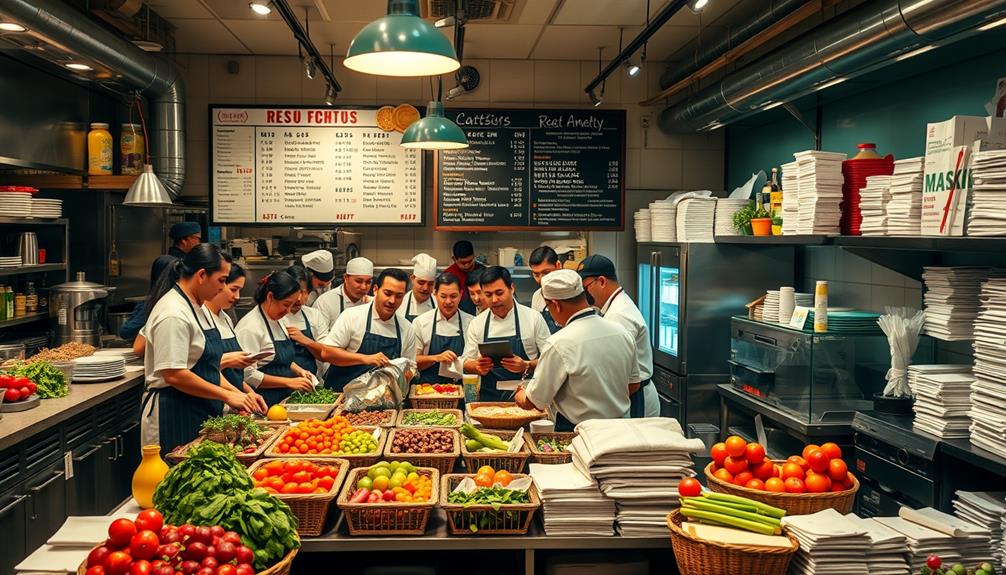
Imagine a busy restaurant where customer feedback and staff training collide—this visual helps you prioritize issues. First, address problems that impact customer satisfaction, like food quality or wait times. Next, focus on issues affecting staff efficiency or safety. Use feedback to guide your decisions, tackling high-impact problems first. Regular staff training becomes your tool for preventing recurring issues, ensuring smoother operations and happier customers.
What Common Mistakes Should Be Avoided During a Walkthrough?
You should avoid rushing through the walkthrough, which can lead to missing critical issues like safety protocol lapses or staff training gaps. Don’t overlook the importance of observing staff interactions and adherence to safety standards. Always double-check safety protocols and make sure staff are well-trained, as neglecting these areas can cause bigger problems later. Stay thorough, ask questions, and document everything to catch issues early and keep your restaurant running smoothly.
Conclusion
Now that you know how to build a restaurant walkthrough that uncovers issues swiftly, the real test begins. Will your system catch that hidden problem lurking behind the scenes? Or will it slip through, causing headaches down the line? The key is in your eyes—and your method. Stay vigilant, adapt as needed, and keep refining your approach. The next challenge? Ensuring your walkthrough becomes unstoppable. Are you ready to uncover what’s truly hiding beneath the surface?
NFL season / tailgating Picks
team gear
As an affiliate, we earn on qualifying purchases.