
To structure a restaurant labor review meeting effectively, start with sharing a clear agenda covering staffing, wages, and performance. Analyze recent scheduling trends, demand forecasts, and labor costs using data to identify issues and opportunities. Encourage open communication and team input to uncover overlooked areas. Keep discussions focused and decision-oriented, ensuring all key topics are covered. For proven strategies and tips to optimize your meeting, continue exploring this approach further.
Key Takeaways
- Prepare and share a detailed agenda covering scheduling, wage analysis, performance, and future staffing needs.
- Begin with a review of recent staffing trends, demand forecasts, and peak periods using data insights.
- Analyze labor costs, wage disparities, and overtime to identify cost-saving opportunities.
- Encourage open team discussion to gather feedback on scheduling effectiveness and operational challenges.
- Conclude with actionable plans for upcoming staffing adjustments and continuous improvement strategies.
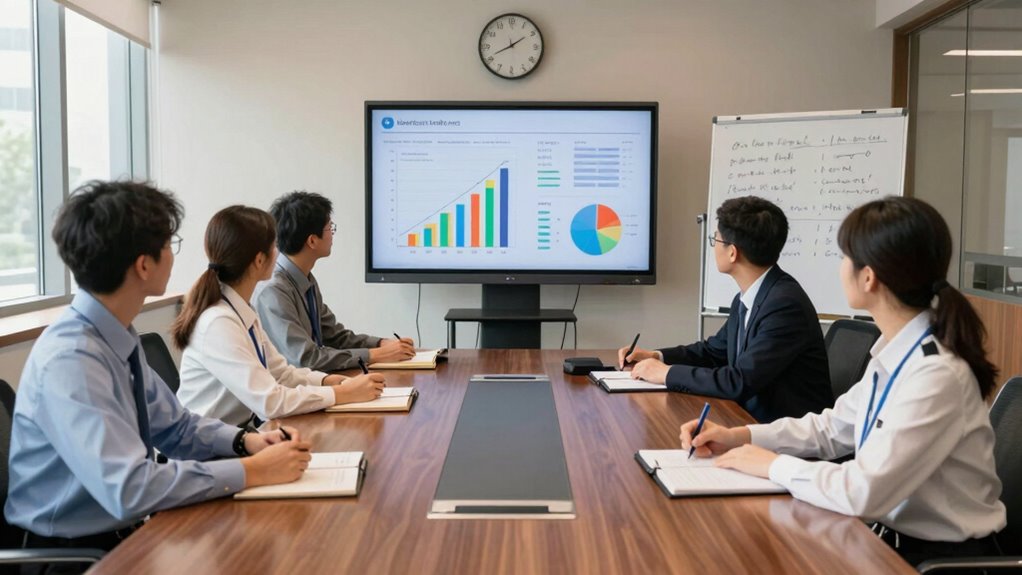
The Restaurant Labor Review Meeting is a essential opportunity for managers and staff to evaluate staffing levels, discuss challenges, and plan for upcoming weeks. To make the most of it, you need a clear, structured approach that encourages open communication, data-driven decisions, and efficient planning. Start by setting a focused agenda that covers key topics: staff scheduling, wage analysis, recent performance, and upcoming needs. Share this agenda beforehand so everyone can prepare, guaranteeing the meeting stays on track and productive.
Effective restaurant labor reviews require structured agendas, open communication, and data-driven planning for optimal staffing and costs.
When discussing staff scheduling, look at recent trends and upcoming demand forecasts. Review peak hours, slow periods, and special events to adjust staffing levels accordingly. Use historical sales data and reservation patterns to identify any gaps or overstaffing. This helps you make informed decisions rather than relying on guesswork. Be transparent about scheduling constraints and solicit input from team members—sometimes, their insights reveal overlooked issues or opportunities for better coverage. Efficient staff scheduling not only improves service quality but also reduces unnecessary labor costs, making your labor hours more productive. Incorporating biodiversity and sustainable practices can also help promote a more environmentally conscious approach to resource management in your staffing strategies. Additionally, tracking labor efficiency metrics can provide deeper insights into how well your staffing aligns with operational goals.
Wage analysis is equally essential. Use this segment to review wage expenses in relation to sales and labor benchmarks. Identify any disparities between scheduled hours and actual hours worked, and analyze overtime costs. If overtime is creeping up, consider whether shifts can be better distributed or if additional staff is needed during specific times. This step helps you control labor costs without sacrificing service standards. Discuss wage policies openly and explore ways to optimize wages, such as adjusting shift premiums or offering flexible schedules that attract and retain staff. Clear wage analysis ensures you’re managing labor costs effectively while keeping staff motivated and fairly compensated.
![Express Schedule Free Employee Scheduling Software [PC/Mac Download]](https://m.media-amazon.com/images/I/41yvuCFIVfS._SL500_.jpg)
Express Schedule Free Employee Scheduling Software [PC/Mac Download]
- User-friendly drag & drop interface: Simple shift planning
- Manage time-off and leave: Add sick leave, breaks, holidays
- Email schedules to employees: Send schedules directly via email
As an affiliate, we earn on qualifying purchases.
As an affiliate, we earn on qualifying purchases.
Frequently Asked Questions
How Often Should Labor Review Meetings Be Scheduled?
You should schedule labor review meetings weekly to stay on top of staff scheduling and wage compliance. Regular meetings help you identify scheduling issues early, adjust staffing levels efficiently, and guarantee wages meet legal standards. Consistent check-ins keep your team informed and aligned on labor costs, preventing overstaffing or wage violations. Weekly reviews foster accountability and continuous improvement, making your restaurant more profitable and compliant without overwhelming your staff.
Who Should Be Involved in the Labor Review Process?
You should involve key team members like managers, shift leads, and front-of-house staff in the labor review process. Their input helps assess employee motivation and optimize staff scheduling. Including the right people guarantees everyone’s insights are considered, making the review more effective. By engaging these roles, you can identify staffing needs, boost morale, and improve overall restaurant operations, leading to a more motivated team and better customer service.
What Data Is Most Important to Analyze During the Meeting?
During the meeting, you should focus on analyzing labor cost and staff productivity. Review labor cost percentages relative to sales to identify overspending or inefficiencies. Examine staff productivity metrics like sales per employee or hours worked versus revenue generated. Comparing these data points helps you understand where staffing adjustments are needed, optimize schedules, and control costs, ensuring your restaurant remains profitable while maintaining quality service.
How Can I Address Underperformance Effectively?
To address underperformance effectively, focus on performance improvement through clear coaching strategies. Start by identifying specific issues and providing constructive feedback. Use active listening to understand their perspective, then set achievable goals together. Offer ongoing support and regular check-ins to track progress. By demonstrating genuine concern and using targeted coaching strategies, you create a positive environment that encourages growth and accountability.
What Tools or Software Can Assist in Labor Analysis?
Perfectly pairing powerful tools, you can pursue payroll accuracy and streamline staff scheduling. Software like Toast, 7shifts, and HotSchedules automate labor analysis, offering real-time data and detailed reports. These tools help you spot discrepancies, optimize staffing levels, and improve labor costs. By leveraging these solutions, you simplify scheduling, enhance efficiency, and guarantee precise payroll accuracy, ultimately fostering a more profitable and productive restaurant environment.
Conclusion
In summary, a well-structured labor review meeting boosts team morale and improves efficiency. Remember, engaging your staff in honest discussions can lead to a 20% increase in productivity, according to recent industry studies. By focusing on clear goals, open communication, and actionable feedback, you create a positive environment where everyone feels valued. Keep these tips in mind, and your restaurant will thrive with a motivated, aligned team ready to serve their best every day.