
TL;DR

Get kitchen staples and gadgets delivered free — and shop member deals
- Fast, free delivery on millions of items
- Access to Prime Big Deal Days deals on October 6–7
- Prime Video, Amazon Music and more included
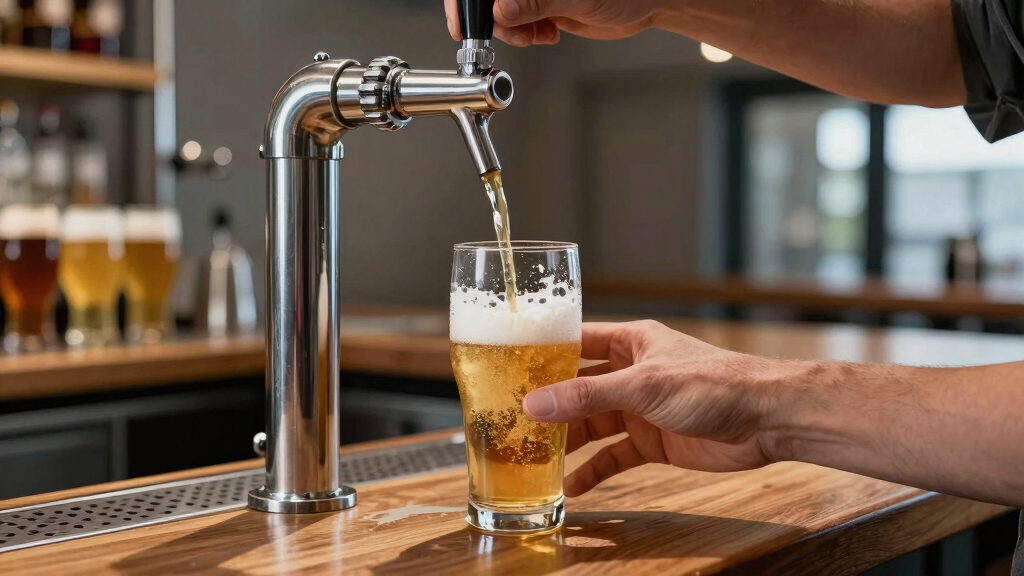
Multiple US states have increased fines on beer sales amid ongoing disputes over alcohol regulation enforcement. This development affects breweries, retailers, and consumers, raising questions about regulatory consistency and impact.
Several US states have recently increased fines and penalties for violations related to beer sales, according to reports from state regulatory agencies. This move comes amid ongoing disputes over alcohol regulation enforcement, affecting breweries, retailers, and consumers. The latest actions highlight a shift in regulatory policies that could impact the industry and public health measures.
States including Alaska, California, and Texas have reported implementing higher fines for violations such as selling to minors, exceeding alcohol content limits, or operating without proper licensing. For example, Alaska’s alcohol control board announced a new pilot program imposing fines up to 10 times previous levels for repeated violations, citing concerns over public safety and underage drinking. These measures follow a series of high-profile disputes over enforcement practices, with some industry groups claiming the fines are excessive and inconsistent.
Officials from the Alcohol and Tobacco Tax and Trade Bureau (TTB) and state agencies have confirmed that these increased fines are part of broader efforts to tighten alcohol regulation compliance. However, details about the specific thresholds, enforcement criteria, and whether these fines are uniformly applied remain unclear. Some retailers and breweries have expressed concern over the potential financial impact and fairness of the new penalties.
Implications for Industry and Public Safety
The increase in fines signifies a possible shift toward stricter enforcement of alcohol regulations in the US, which could influence how breweries and retailers operate. For consumers, this may mean greater compliance measures at points of sale, potentially reducing underage sales and illegal alcohol distribution. However, industry representatives warn that disproportionate fines could strain small businesses and lead to legal disputes, especially if enforcement remains inconsistent.
As an affiliate, we earn on qualifying purchases.
Recent Trends in US Alcohol Regulation Enforcement
Over the past year, several states have reported heightened enforcement efforts targeting alcohol sales, driven by concerns over underage drinking and alcohol-related incidents. The controversy intensified after reports of uneven enforcement and disputes over fines, with some industry groups alleging that penalties are being applied arbitrarily. The federal government has also emphasized the importance of compliance, but specific policy shifts remain under review.
Historically, alcohol regulation in the US has varied significantly between states, with some adopting stricter policies following public health campaigns or high-profile incidents. The recent increases in fines appear to be part of this ongoing trend toward more aggressive enforcement, though the precise scope and consistency are still developing.
“We are implementing these higher fines to better enforce compliance and protect public safety. Repeated violations will now carry significantly higher penalties.”
— John Carter, Alaska Alcohol Control Board Chair
Unclear Aspects of Enforcement and Impact
It is not yet clear how uniformly these increased fines will be applied across different states and enforcement agencies. Details about specific thresholds, appeals processes, and whether small businesses will be disproportionately targeted remain under review. Additionally, the long-term impact on industry operations and public health outcomes is still uncertain.
Next Steps in Regulatory Review and Industry Response
Regulatory agencies are expected to clarify enforcement policies in the coming weeks, including detailed guidelines on fines and violations. Industry groups are likely to advocate for more equitable enforcement measures, and legal challenges may arise if fines are perceived as unfair. Monitoring how these policies are implemented will be crucial for stakeholders.
Key Questions
Why are fines for beer sales increasing now?
States are increasing fines as part of broader efforts to enforce alcohol regulations more strictly, aiming to reduce underage drinking and illegal sales.
Which states are implementing higher fines?
Alaska, California, Texas, and others are reported to be increasing fines for violations related to beer sales and licensing.
How might these fines affect small breweries?
Industry representatives warn that higher fines could financially strain small breweries and lead to legal disputes if enforcement is inconsistent.
Are these enforcement changes permanent?
It is unclear whether these increased fines are temporary measures or part of a long-term policy shift. Further regulatory updates are expected.
What should retailers do to comply?
Retailers should review current compliance procedures, ensure licensing is up to date, and stay informed about new enforcement guidelines from state agencies.
Source: google-trends
NFL season / tailgating Picks
team gear
As an affiliate, we earn on qualifying purchases.