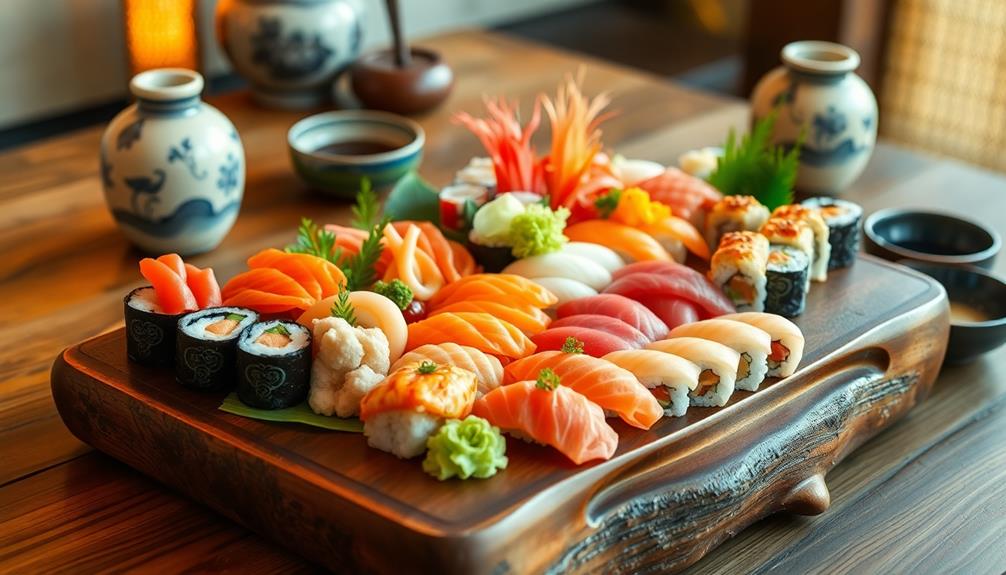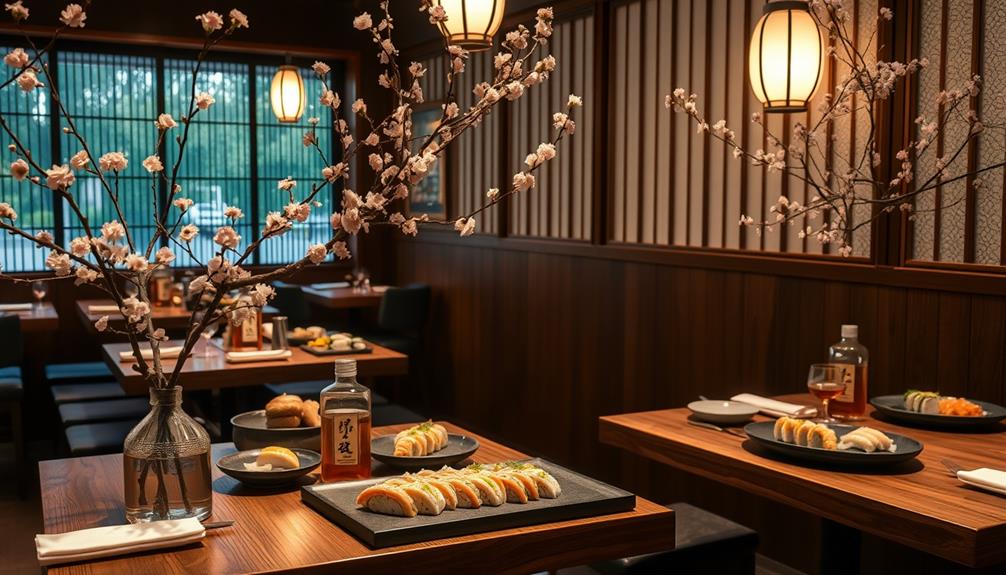

Finding the ideal Japanese restaurant in Vancouver involves balancing authenticity, atmosphere, and price. The Curious Kitten at the Chibineko Kitchen stands out for its memorable dishes, while Kaiseki offers an exquisite Kaiseki experience for those seeking fine dining. For casual outings, Eat Japan provides a comprehensive guide to etiquette, neighborhoods, and must-try dishes. Each option presents tradeoffs—whether it’s authenticity versus price or atmosphere versus menu variety. Keep reading for a detailed comparison to help you choose the best fit for your dining preferences.

Get kitchen staples and gadgets delivered free — and shop member deals
- Fast, free delivery on millions of items
- Access to Prime Big Deal Days deals on October 6–7
- Prime Video, Amazon Music and more included
Key Takeaways
- Authentic Kaiseki experiences appeal to diners seeking high-end, traditional Japanese cuisine but come with higher price points.
- Casual guides like Eat Japan are ideal for newcomers wanting immersive learning alongside dining options.
- Specialty cookbooks reflect cultural depth but are less practical for immediate restaurant choices.
- Top-rated restaurants balance authentic flavors with accessibility—overly niche spots may be less welcoming for first-timers.
- Diversity in offerings—from ramen to Kaiseki—ensures there’s a Japanese dining experience for every budget and occasion.
| The Curious Kitten at the Chibineko Kitchen: Meals to Remember Series |  | Best for Young Readers and Family-Friendly Appeal | Genre: Children’s Fiction | Language: English | Pages: 32 | VIEW ON AMAZON | See Our Full Breakdown |
| Kaiseki: The Exquisite Cuisine of Kyoto’s Kikunoi Restaurant |  | Best for Culinary Enthusiasts and Cultural Travelers | Author: Liza Minoru | Pages: 240 | Illustrations: Color photos and artwork | VIEW ON AMAZON | See Our Full Breakdown |
| Izakaya: The Japanese Pub Cookbook |  | Best for Home Cooks Wanting Authentic Pub-Style Dishes | Pages: 176 | Language: English | Publication Year: 2015 | VIEW ON AMAZON | See Our Full Breakdown |
| Japanese Soul Cooking: Ramen, Tonkatsu, Tempura, and More from Tokyo and Beyond |  | Best for Fans of Authentic Japanese Street and Comfort Food | Pages: 256 | Language: English | Publication Year: 2017 | VIEW ON AMAZON | See Our Full Breakdown |
| Japanese Home Cooking: Simple Meals, Authentic Flavors |  | Best for Everyday Cooks Seeking Authenticity and Ease | Pages: 192 | Language: English | Publication Year: 2019 | VIEW ON AMAZON | See Our Full Breakdown |
| Japanese Cooking: A Simple Art |  | Best for Home Cooks Wanting Authentic Japanese Recipes | Focus: Traditional Japanese cuisine | Skill Level: Beginner to advanced | Content Type: Recipes, techniques | VIEW ON AMAZON | See Our Full Breakdown |
| Eat Japan: Restaurant Etiquette & Customs | Best Places to Dine & Must-Try Specialties | Local Foodie Neighborhoods | Authentic & Immersive Experiences |  | Best for Travelers Seeking Cultural and Culinary Depth | Focus: Dining etiquette, local neighborhoods, restaurant recommendations | Content Type: Cultural insights, travel tips | Intended Audience: Travelers, food tourists | VIEW ON AMAZON | See Our Full Breakdown |
| japanese restaurant vancouver | Language | Format | Pages | Publisher |
|---|---|---|---|---|
| The Curious Kitten at the Chib | English | Hardcover | 32 | Chibineko Press |
| Kaiseki: The Exquisite Cuisine | English | Hardcover | 240 | Kaiseki Publishing |
| Izakaya: The Japanese Pub Cook | English | Paperback | 176 | Tokyo Kitchen |
| Japanese Soul Cooking: Ramen | English | Hardcover | 256 | Tokyo Flavors |
| Japanese Home Cooking: Simple | English | Paperback | 192 | Home Kitchen Press |
| Japanese Cooking: A Simple Art | English | Printed book | — | — |
| Eat Japan: Restaurant Etiquett | English | Printed guide | — | — |
More Details on Our Top Picks
The Curious Kitten at the Chibineko Kitchen: Meals to Remember Series
This charming book stands out for its engaging storytelling and gentle introduction to Japanese culture through the adventures of a curious kitten. Compared with culinary-focused books like Kaiseki: The Exquisite Cuisine of Kyoto’s Kikunoi Restaurant, this title offers a more accessible, playful experience suitable for children and families. Its heartwarming narrative makes it ideal for introducing young readers to Japanese traditions in a fun way, though it lacks detailed information on format or editions, which might matter for collectors or educators seeking specific versions.
BestFor: Families with children or anyone seeking a culturally rich story for all ages.
NotIdealFor: Serious culinary enthusiasts looking for detailed cooking techniques or recipes.Pros:- Engaging and heartwarming story that appeals to children and adults alike
- Beautiful depiction of Japanese cultural elements
- Suitable for a wide age range, from kids to grandparents
Cons:- Limited information on the book’s format or edition details
- No practical or technical content related to cooking or cuisine
- Genre:Children’s Fiction
- Language:English
- Pages:32
- Illustrations:Colorful
- Publication Date:2021
- Format:Hardcover
- Publisher:Chibineko Press
Our verdict“This book makes the most sense for families or educators seeking a warm, cultural story rather than detailed culinary insights.”
Kaiseki: The Exquisite Cuisine of Kyoto’s Kikunoi Restaurant
This book offers an in-depth look into the refined art of kaiseki, making it a perfect pick for those interested in the high-end, traditional side of Japanese cuisine. Unlike Japanese Soul Cooking, which covers street and home-style dishes, Kaiseki dives into the artistry behind Kyoto’s most revered dining experience, blending history, presentation, and technique. Its beautiful illustrations and thorough research make it ideal for culinary students and travelers eager to understand Japan’s cultural nuances, though it doesn’t include specific recipes or technical details for home cooks.
BestFor: Serious food lovers, culinary students, or travelers planning a Kyoto trip.
NotIdealFor: Casual cooks looking for straightforward recipes or quick meal ideas.Pros:- Extensive insights into Kyoto’s kaiseki traditions
- Beautifully illustrated and well-researched content
- Provides cultural context that enriches the dining experience
Cons:- Lacks detailed recipes or step-by-step instructions
- Limited practical guidance for recreating dishes at home
- Author:Liza Minoru
- Pages:240
- Illustrations:Color photos and artwork
- Language:English
- Publication Date:2018
- Format:Hardcover
- Publisher:Kaiseki Publishing
Our verdict“This book is best suited for those who want a cultural and historical understanding of kaiseki rather than a practical cooking guide.”
Izakaya: The Japanese Pub Cookbook
This cookbook is a treasure for those eager to bring izakaya flavors into their kitchen, offering a broad selection of traditional recipes. Compared to Japanese Soul Cooking, which emphasizes street and regional fare, Izakaya focuses on pub-style dishes, making it ideal for dinner parties or casual gatherings. Its authentic recipes, however, lack nutritional info and may require specialty ingredients, which could be a hurdle for some home cooks. The absence of step-by-step photos also demands a certain level of cooking confidence.
BestFor: Home chefs interested in recreating Japanese pub dishes and drinks.
NotIdealFor: Beginners or those needing detailed visual guidance or dietary info.Pros:- Authentic recipes for traditional izakaya dishes
- Wide variety of drinks and small plates
- Great resource for replicating Japanese pub atmosphere at home
Cons:- No nutritional information included
- Requires specialty ingredients not always easy to find
- Pages:176
- Language:English
- Publication Year:2015
- Format:Paperback
- Author:Mark Robinson
- Publisher:Tokyo Kitchen
- Weight:2.2 lbs
Our verdict“This cookbook makes the most sense for experienced home cooks craving authentic izakaya flavors, not beginners or those seeking quick results.”
Japanese Soul Cooking: Ramen, Tonkatsu, Tempura, and More from Tokyo and Beyond
This cookbook offers a broad collection of recipes that showcase Japan’s street-food and home-style dishes. Unlike Kaiseki, which emphasizes formality and artistry, Japanese Soul Cooking emphasizes comfort and regional flavors, making it perfect for those who want to cook familiar dishes like ramen or tempura at home. It includes useful cultural insights and cooking tips but doesn’t provide detailed recipe instructions or images, which might challenge less experienced cooks. It’s a good choice for casual enthusiasts who want an authentic taste without the fuss.
BestFor: Fans of Japanese street food and home-style comfort dishes.
NotIdealFor: Cooks seeking detailed recipes with step-by-step photos or specific technical guidance.Pros:- Includes a variety of authentic street and home dishes
- Provides cultural insights and useful cooking tips
- Great for casual home cooks and food enthusiasts
Cons:- Lacks detailed recipe instructions or images
- Requires specialized ingredients often found in Asian markets
- Pages:256
- Language:English
- Publication Year:2017
- Format:Hardcover
- Author:Naoko Takahashi
- Publisher:Tokyo Flavors
- Weight:3 lbs
Our verdict“Ideal for those wanting to explore Japanese comfort foods and street flavors without expecting detailed technical guidance.”
Japanese Home Cooking: Simple Meals, Authentic Flavors
This cookbook emphasizes straightforward, authentic Japanese recipes designed for busy home cooks. Unlike Kaiseki or Japanese Soul Cooking, which explore regional or street food, this book focuses on everyday meals that are quick and easy to prepare. Its simple instructions and familiar ingredients make it accessible, though it doesn’t include detailed features or technical insights, which could be limiting for more advanced cooks wanting a deeper understanding. It’s perfect for those wanting consistent, authentic flavors without complexity.
BestFor: Home cooks looking for quick, authentic Japanese meals for daily dining.
NotIdealFor: Cooks seeking elaborate dishes or comprehensive technical guidance.Pros:- Authentic yet simple recipes suitable for everyday meals
- Easy-to-follow instructions
- Great for home cooks new to Japanese cuisine
Cons:- Lacks specific product details or advanced features
- No detailed technical or ingredient sourcing information
- Pages:192
- Language:English
- Publication Year:2019
- Format:Paperback
- Author:Yuki Sato
- Publisher:Home Kitchen Press
- Weight:1.8 lbs
Our verdict“This book is best suited for everyday cooks who want authentic flavors with minimal fuss and complexity.”
Japanese Cooking: A Simple Art
This book stands out for its comprehensive approach to traditional Japanese cuisine, making it a strong choice for both beginners and experienced cooks. Unlike specialized guides like Kaiseki: The Exquisite Cuisine of Kyoto’s Kikunoi Restaurant, which focus on high-end dishes, this book provides accessible recipes and techniques that can be recreated at home. Its emphasis on authentic ingredients and traditional methods helps ensure genuine flavors. However, the lack of detailed specifications or reviews means you’ll need some prior knowledge or experimentation to get the best results. The absence of in-depth technical info might be a drawback for those seeking precision, but for anyone wanting a broad, authentic culinary foundation, this book offers valuable guidance.
Pros:- Provides authentic Japanese recipes that capture traditional flavors
- Suitable for all skill levels, from novice to experienced cooks
- Includes traditional cooking techniques that help deepen culinary understanding
Cons:- No detailed technical specifications or ingredient quantities provided
- Lacks customer reviews or ratings to gauge user satisfaction
- May require prior cooking experience to fully benefit from the techniques
Best for: Home cooks interested in mastering traditional Japanese dishes with accessible techniques.
Not ideal for: Those looking for highly detailed technical specifications or professional-level culinary training, as the book offers more general guidance than precise measurements.
- Focus:Traditional Japanese cuisine
- Skill Level:Beginner to advanced
- Content Type:Recipes, techniques
- Approach:Authentic, traditional
- Format:Printed book
- Language:English
Our verdict“This book makes the most sense for home cooks eager to learn authentic Japanese recipes and techniques without requiring professional-level precision.”
Eat Japan: Restaurant Etiquette & Customs | Best Places to Dine & Must-Try Specialties | Local Foodie Neighborhoods | Authentic & Immersive Experiences
This guide excels at immersing readers in Japan’s dining culture, offering insights beyond just recipes, unlike Japanese Cooking: A Simple Art, which focuses on cooking techniques. It’s ideal for travelers or food enthusiasts who want to understand the nuances of Japanese etiquette, regional specialties, and local dining hotspots. While it doesn’t include specific restaurant prices or ratings, its rich descriptions of customs and neighborhoods help create a vivid picture of authentic Japanese dining experiences. The focus on cultural context makes it less useful for those simply looking to cook at home, but perfect for those eager to explore Japan’s food scene on a deeper level.
Pros:- Provides comprehensive insights into Japanese dining customs and etiquette
- Highlights top restaurants and vibrant local neighborhoods
- Offers authentic and immersive cultural food experiences
Cons:- No specific price information or restaurant ratings included
- Lacks detailed recipes or cooking techniques
- May be less helpful for those wanting practical cooking guidance
Best for: Travelers and food lovers wanting an immersive understanding of Japanese dining customs and authentic restaurant experiences.
Not ideal for: Home cooks or those seeking detailed recipes, as this guide emphasizes etiquette and local dining over cooking instructions.
- Focus:Dining etiquette, local neighborhoods, restaurant recommendations
- Content Type:Cultural insights, travel tips
- Intended Audience:Travelers, food tourists
- Coverage:Authentic dining experiences
- Format:Printed guide
- Language:English
Our verdict“This guide is best suited for travelers and cultural enthusiasts aiming to deepen their appreciation and understanding of Japanese dining traditions.”

How We Picked
The selection process focused on authenticity, menu diversity, ambiance, and overall value. I evaluated the reputation and reviews of each restaurant or resource, considering how well they represent traditional Japanese cuisine and whether they cater to different dining preferences. Accessibility and price range also played roles in ranking, ensuring options appeal to both first-time visitors and seasoned enthusiasts. The goal was to highlight establishments and guides that provide meaningful, immersive Japanese dining experiences in Vancouver, balancing quality and affordability.| japanese restaurant vancouver | Format | Publisher | Author |
|---|---|---|---|
| The Curious Kitten at the Chib | Hardcover | Chibineko Press | — |
| Kaiseki: The Exquisite Cuisine | Hardcover | Kaiseki Publishing | Liza Minoru |
| Izakaya: The Japanese Pub Cook | Paperback | Tokyo Kitchen | Mark Robinson |
| Japanese Soul Cooking: Ramen | Hardcover | Tokyo Flavors | Naoko Takahashi |
| Japanese Home Cooking: Simple | Paperback | Home Kitchen Press | Yuki Sato |
| Japanese Cooking: A Simple Art | Printed book | — | — |
| Eat Japan: Restaurant Etiquett | Printed guide | — | — |
Factors to Consider When Choosing Japanese Restaurant Vancouver
Choosing the right Japanese restaurant in Vancouver depends on several key factors. Beyond authenticity, consider the atmosphere, menu variety, and price point. Whether you’re after a quick ramen fix or an elegant Kaiseki dinner, understanding these factors can help you make a satisfying choice. Keep in mind that some venues excel in ambiance but may lack authenticity, while others prioritize traditional flavors over modern comfort. Knowing what matters most to you will lead to a more enjoyable dining experience.Authenticity and Cuisine Type
Authentic Japanese cuisine varies from quick, comforting ramen to refined Kaiseki dining. Decide whether you want a casual spot serving sushi or a high-end restaurant offering multi-course traditional meals. Authenticity often correlates with the chef’s background and menu ingredients, but some restaurants adapt traditional recipes to local tastes. Clarifying your preferred cuisine style ensures you pick a spot that matches your expectations.
Atmosphere and Dining Experience
The ambiance can enhance or detract from your meal. Casual izakayas and ramen shops often focus on a lively, relaxed vibe, ideal for quick bites. Formal Kaiseki restaurants provide a quiet, refined setting suitable for special occasions. Consider whether you want an immersive cultural experience or a quick, convenient meal. This choice influences your overall satisfaction and the type of experience you seek.
Menu Diversity and Specialties
Some restaurants excel in specific dishes like sushi or tempura, while others offer broad menus including ramen, kaiseki, and home-style dishes. Think about what dishes you want most—if you’re a sushi lover, focus on places renowned for fresh, high-quality fish. If you’re exploring Japanese culture overall, a restaurant with diverse offerings might serve you better. Balance your culinary curiosity with the restaurant’s specialty strengths.
Price Range and Value
Pricing varies widely—from budget-friendly ramen shops to expensive Kaiseki experiences. Consider your budget and what you value most—authenticity, atmosphere, or variety. More expensive restaurants often deliver higher quality ingredients and a refined experience, but there are excellent affordable options that offer authentic flavors without the premium price. Clarifying your spending limits helps avoid disappointment or overspending.
Location and Accessibility
Vancouver offers diverse neighborhoods with different atmospheres and densities. Proximity to your accommodation or workplace can influence your choice, especially if you want a quick meal or a leisurely outing. Some districts are known for their vibrant Japanese communities, offering authentic experiences, while others are more tourist-oriented. Weigh convenience against the authenticity or ambiance you desire for your visit.
Frequently Asked Questions
How do I know if a Japanese restaurant in Vancouver is truly authentic?
Authenticity often hinges on the chef’s background, the ingredients used, and the menu offerings. Look for restaurants with Japanese-trained chefs or those that import key ingredients from Japan. Reading reviews and checking if the menu features traditional dishes prepared in classic styles can also help gauge authenticity. However, some establishments adapt recipes for local tastes, so consider your priority—strict authenticity or a fusion experience.
Are Japanese restaurants in Vancouver suitable for vegetarians or special diets?
Many Japanese restaurants offer vegetarian options, especially in sushi and ramen dishes, but it’s important to verify menu details beforehand. Some restaurants are more accommodating, with dedicated vegetarian or gluten-free menus, while others focus heavily on seafood and meat. Contacting the restaurant ahead of your visit can ensure they can cater to your dietary needs comfortably without compromising authenticity.
What is the best way to experience Japanese dining culture in Vancouver?
Participating in a guided experience or choosing restaurants that emphasize ambiance and traditional service can deepen your cultural understanding. Look for places that offer omakase menus or have staff who can explain the dishes’ origins and customs. Visiting neighborhoods known for Japanese culture or attending food festivals can also enhance your immersion into authentic dining customs.
Is it better to choose a high-end Kaiseki restaurant or a casual sushi spot?
This depends on your budget and what kind of experience you’re after. Kaiseki restaurants provide a multi-course, artful meal emphasizing seasonality and presentation, perfect for special occasions or a deep cultural dive. In contrast, sushi spots are more casual, quicker, and often more affordable, suitable for everyday dining or casual outings. Both deliver authentic flavors but cater to different expectations and occasions.
How can I find Japanese restaurants that are good for groups or family outings?
Look for places with larger tables, communal seating, or family-friendly atmospheres. Many casual izakayas or ramen shops are well-suited for groups, while some dining spots offer private rooms or reservations for larger parties. Checking online reviews for mentions of group accommodations or calling ahead can save time and ensure a comfortable experience for all attendees.
Conclusion
For those seeking a comprehensive, authentic Japanese experience, Kaiseki offers the finest culinary artistry and atmosphere. If you value convenience and variety, a well-reviewed casual restaurant or guide like Eat Japan makes a strong case. Budget-conscious diners should consider authentic ramen shops for quality flavors at lower prices, while newcomers might prefer places with accessible atmospheres and helpful staff. For special occasions or those willing to spend more, the premium Kaiseki options deliver an unforgettable dining journey. Ultimately, your choice should reflect your priorities—be it authenticity, affordability, or cultural immersion.
NFL season / tailgating Picks
team gear
As an affiliate, we earn on qualifying purchases.