
TL;DR

Get kitchen staples and gadgets delivered free — and shop member deals
- Fast, free delivery on millions of items
- Access to Prime Big Deal Days deals on October 6–7
- Prime Video, Amazon Music and more included
The USDA’s Food Safety and Inspection Service issued a public health alert for two Grace canned chicken Vienna sausage products that were illegally imported from Jamaica. No related illnesses or injuries have been confirmed; consumers should not eat the products and should discard them or return them to the retailer.
The U.S. Department of Agriculture’s Food Safety and Inspection Service (FSIS) has issued a public health alert for two canned Grace chicken Vienna sausage products that were illegally imported from Jamaica, a country not eligible to export meat or poultry products to the United States. No related illnesses or injuries have been confirmed, but the agency says consumers who have the products should not eat them.
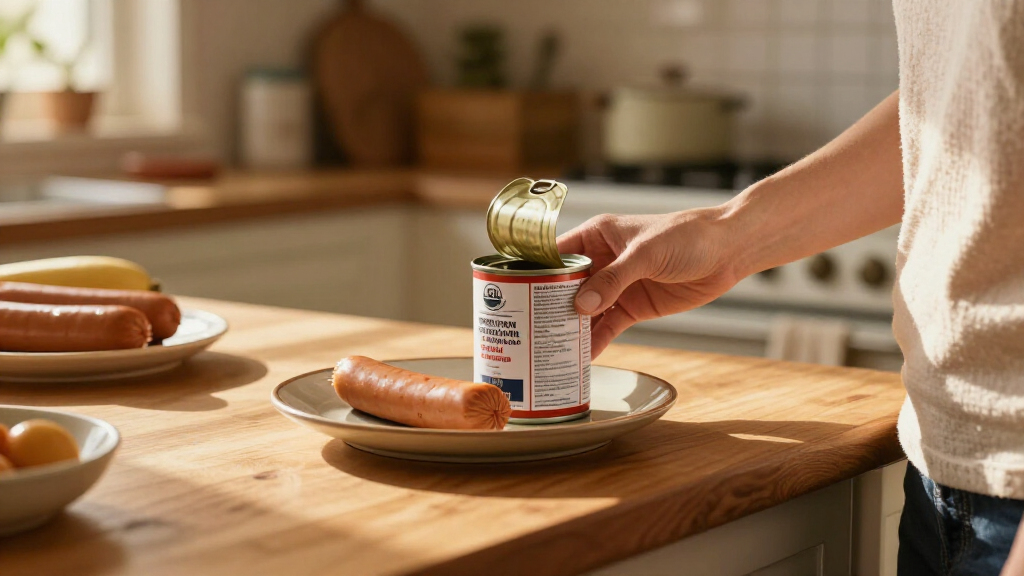
The alert covers 140-gram cans labeled “GRACE READY TO EAT CHICKEN VIENNA SAUSAGES” and “GRACE READY TO EAT CHICKEN VIENNA SAUSAGES HOT & SPICY.” It applies regardless of the product date. The cans bear establishment number “EST. NO G-01” inside the Jamaica mark of inspection, according to the FSIS notice.
The importer distributed the products to retail locations in Alabama, Florida, Georgia, Maryland and Texas. FSIS said the issue came to light during routine surveillance of imported products in commerce. The agency is investigating how the products entered the United States.
FSIS said it is concerned that cans may remain in consumers’ pantries. Anyone who purchased either product is urged not to consume it. The agency advises throwing the product away or returning it to the place of purchase. People concerned that they may have become ill or been injured after eating it should contact a health care provider.
Why the Import Alert Matters
The alert gives shoppers in the five named states a way to identify and avoid a product that FSIS says entered the country outside the authorized import system. The notice applies to both listed varieties and all product dates, so consumers should check the product name, can size and establishment number rather than rely on a date printed on the can.
FSIS has not reported a confirmed illness or injury linked to these sausages. The stated basis for concern is that the products were imported from a country that is not eligible to export meat or poultry products to the U.S. Consumers should follow the agency’s avoidance advice without treating the alert as confirmation that anyone has been harmed.
As an affiliate, we earn on qualifying purchases.
How FSIS Found the Cans
The public health alert followed routine FSIS surveillance of imported products already in commerce. The agency identified the canned sausages as products imported from Jamaica and said they were not eligible for entry into the United States. Its notice describes the products as illegally imported; it does not identify a specific illness-causing contaminant.
A public health alert tells consumers about a product concern and provides handling advice. In this case, FSIS’s consumer instruction is to avoid eating the listed sausages and to discard them or return them to the retailer. The agency’s investigation into how they entered the country is continuing.
“Consumers who have purchased these products are urged not to consume them.”
— U.S. Department of Agriculture’s Food Safety and Inspection Service
Open Questions in the Import Probe
FSIS has not said how the sausages entered the country, and its investigation remains underway. The alert does not specify how many cans were imported or distributed, which individual stores carried them, or whether any products remain on shelves.
The agency has reported no confirmed illnesses or injuries associated with consumption. The notice does not identify a specific contamination hazard, and the available information does not establish that the products caused illness. Further details could emerge as FSIS investigates the import route and distribution.
Consumer Steps and Agency Follow-Up
Consumers should check for the two 140-gram Grace labels and the “EST. NO G-01” marking. If they have either product, FSIS advises them to throw it away or return it rather than eat it. Anyone with health concerns after consumption should contact a health care provider.
FSIS said it is continuing to investigate how the products entered the United States. The source report did not provide a deadline for that work or describe additional enforcement steps. Consumers and retailers should watch for further agency information about the products or the investigation.
Key Questions
Which Vienna sausage products are covered by the alert?
The alert covers 140-gram cans of “GRACE READY TO EAT CHICKEN VIENNA SAUSAGES” and “GRACE READY TO EAT CHICKEN VIENNA SAUSAGES HOT & SPICY.”
Does the alert apply only to certain dates?
No. FSIS says the alert applies regardless of the product date. Check the product label and “EST. NO G-01” marking.
Where were the sausages distributed?
The importer distributed them to retail locations in Alabama, Florida, Georgia, Maryland and Texas. The agency’s notice does not list specific stores.
What should I do if I have one of the cans?
Do not eat it. FSIS advises consumers to throw it away or return it to the place of purchase.
Have illnesses been reported?
FSIS said there were no confirmed reports of illness or injury related to consumption when the alert was issued. Anyone concerned about symptoms or a possible injury should contact a health care provider.
Source: rss
Fall Picks
fall essentials
As an affiliate, we earn on qualifying purchases.