TL;DR

Get kitchen staples and gadgets delivered free with Prime
- Fast, free delivery on millions of items
- Prime Video, Amazon Music and more included
- Member-only deals all year
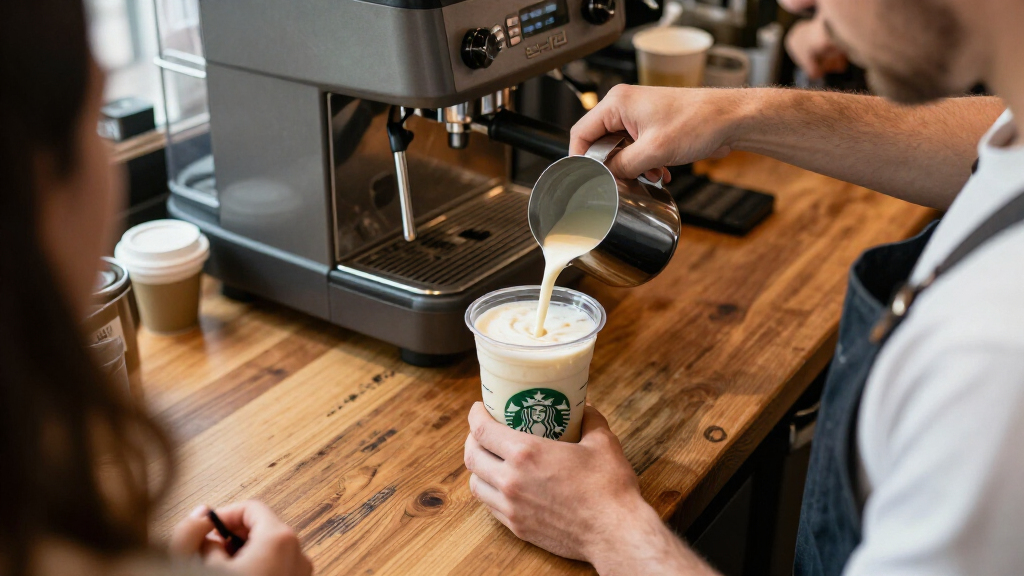
Three consumers have filed a proposed class-action lawsuit against Starbucks, alleging that eight drinks marketed as “Sugar-Free” are misleading because venti servings contain 13 to 21 grams of sugar from milk. Starbucks disputes the claims and says it will defend itself; the complaint’s allegations have not been proven in court.
Three consumers have filed a proposed class-action lawsuit against Starbucks, alleging the company’s “Sugar-Free” protein lattes and matchas are misleading because large, or venti, servings contain 13 to 21 grams of sugar. The complaint, filed October 2 in the U.S. District Court for the Western District of Washington, argues that the sugar comes from lactose in milk; Starbucks says the claims have no merit and plans to defend itself.
The complaint challenges hot and iced versions of four drinks: the Sugar-Free Vanilla Protein Latte, Sugar-Free Caramel Protein Latte, Sugar-Free Vanilla Protein Matcha and Sugar-Free Caramel Protein Matcha. It names Starbucks as the sole defendant and seeks a jury trial. The plaintiffs are Michael Walsh of California, Anne Legnini of New York and Elna Potter of Washington.
The highest amount cited is 21 grams of sugar in a venti Sugar-Free Caramel Protein Matcha. The complaint compares that amount to about five teaspoons and says it is nearly as much total sugar as a standard Kit Kat bar. Those comparisons are made by the plaintiffs; the lawsuit does not allege Starbucks added table sugar or sweetened syrup to the beverages.
Instead, the plaintiffs say the drinks’ sugar comes from lactose naturally present in milk. They argue that the “Sugar-Free” claim conflicts with federal labeling rules because, according to the complaint, the drinks exceed the 0.5-gram threshold they say applies to that claim. They also allege the company did not provide a required calorie-related disclaimer. These are claims in a complaint, not findings by a court.
The Difference Between Sugar Claims
The case focuses on a distinction consumers may encounter on menus and packaging: “sugar-free” versus “no added sugar.” A drink can contain sugars that occur naturally in an ingredient such as milk even if no sugar or sweetened syrup was added. Whether the challenged wording violates applicable rules, and what a reasonable customer would understand from it, are questions the court may need to address.
The dispute also matters to customers comparing drinks for dietary or health reasons. The plaintiffs say the name could lead consumers to expect little or no sugar, while Starbucks points to product information and nutrition details across its sales channels. The case does not establish that customers were misled or that Starbucks violated labeling law; it puts those allegations before the court.
As an affiliate, we earn on qualifying purchases.
Protein Drinks Launched in 2025
Starbucks introduced its protein beverage lineup in September 2025, describing the drinks as a response to consumer interest in protein. The company said protein lattes could provide up to 36 grams of protein per grande serving and that protein cold foam added about 15 grams. Those figures concern protein content and do not resolve the lawsuit’s separate challenge to sugar labeling.
Starbucks’ protein beverage page describes the lineup as including “no-added-sugar options made with sugar-free syrups,” according to the report by Daily Coffee News. The complaint argues that this wording and the drinks’ sugar-free names must be assessed alongside lactose in milk. The lawsuit comes amid other disputes over coffee marketing claims, but outcomes in separate cases do not determine the merits of this one.
““No reasonable consumer would understand a beverage named ‘Sugar-Free’ to contain 13 to 21 grams of sugar per serving.””
— The plaintiffs, as quoted in the complaint
Questions the Court Must Resolve
The lawsuit is at an early stage, and the allegations have not been tested or decided. The available report does not say whether the court has ruled on the complaint, whether Starbucks has filed a formal response, or what procedural schedule has been set.
It is also unclear how the plaintiffs will define the proposed class, what evidence each side will present about the drinks’ labeling and nutrition disclosures, and whether the case will proceed as a class action. The complaint’s account of the sugar amounts and labeling requirements remains the plaintiffs’ position until established through the legal process.
The Case Moves Through Federal Court
The next steps are likely to include a response from Starbucks and early court proceedings over the claims and requested class treatment. The complaint seeks a jury trial, but that request does not mean a trial date has been set or that the case will reach a jury.
Further filings or court orders may clarify the proposed class, the legal standards at issue and whether the case can continue. Until then, Starbucks’ position is that the claims lack merit, while the plaintiffs’ assertions remain unproven.
Key Questions
What does the lawsuit say is wrong with Starbucks’ drinks?
The plaintiffs allege that eight drinks labeled “Sugar-Free” contain 13 to 21 grams of sugar per venti serving, largely because they contain milk with naturally occurring lactose. They say the label is misleading and conflicts with federal rules.
Which Starbucks drinks are named?
The complaint challenges hot and iced versions of the Sugar-Free Vanilla and Caramel Protein Lattes and the Sugar-Free Vanilla and Caramel Protein Matchas.
Has a court found Starbucks liable?
No. The claims are allegations in a proposed class-action complaint. No court finding on the merits is reported in the source material.
What has Starbucks said?
A company spokesperson said Starbucks believes the claims have “no merit” and intends to defend itself. The company also said it provides information about ingredients, customization and nutrition across its menus, website, app and marketing.
Source: rss
Halloween Picks
halloween
As an affiliate, we earn on qualifying purchases.