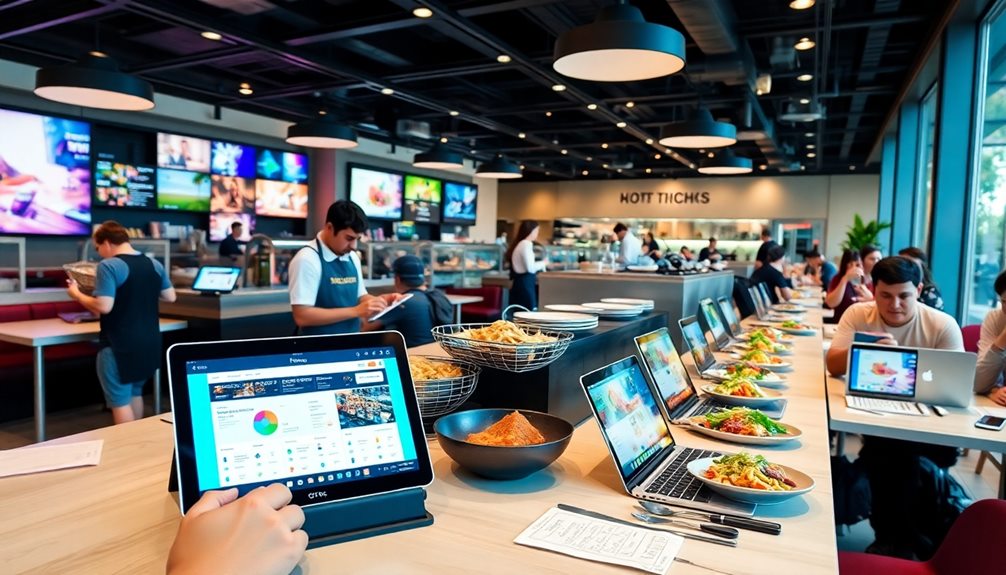

When choosing restaurant management software, the key is balancing features, ease of use, and cost. The best overall pick, Alexandria Restaurant POS, offers robust POS capabilities with an intuitive interface. For those seeking comprehensive operational planning, The Restaurant Operations Planner stands out with its daily management system. However, many options come with tradeoffs, such as higher costs for advanced features or a steeper learning curve. Continue reading for a detailed breakdown of the top contenders and what makes each unique.
Key Takeaways
- The top-ranked options excel in balancing usability with feature depth, making them suitable for various restaurant sizes.
- Price varies significantly; some high-end solutions offer extensive integrations but come with higher setup costs.
- Ease of implementation and learning curve are critical factors that differentiate beginner-friendly options from enterprise-grade systems.
- POS integration quality and support for wireless ordering are common differentiators that impact daily operations.
- Choosing a system that scales with your business can save costly upgrades or migrations down the line.


More Details on Our Top Picks
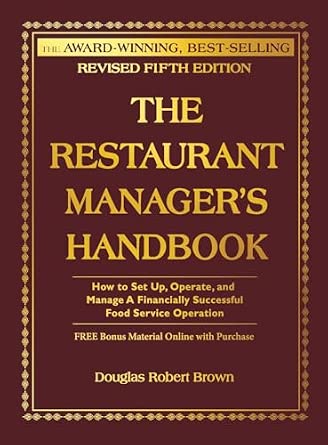
The Restaurant Manager’s Handbook: How to Set Up, Operate, and Manage a Financially Successful Food Service Operation
This comprehensive book is an essential resource for both new and seasoned restaurant managers, offering detailed strategies for running a profitable operation. Compared with practical tools like the 19-Inch Touch Screen POS System, this guide provides holistic insights into management, financials, and customer service, though it lacks real-time operational features. It excels in offering actionable advice but doesn’t include specific software or digital tools, making it ideal for managers seeking foundational knowledge rather than immediate digital implementation. Best for managers wanting a strategic understanding of restaurant operations, especially those who prefer learning from structured guidance over hands-on software.
Pros:- Extensive coverage of restaurant management topics
- Provides practical, actionable strategies for profitability
- Suitable for both new and experienced managers
Cons:- Lacks specific software features or digital tools
- Does not include detailed case studies or real-world examples
Best for: Restaurant owners and managers seeking a comprehensive strategic framework for long-term success
Not ideal for: Operators looking for quick, software-based solutions or real-time management tools
Our verdict“This book is best suited for managers who want a thorough understanding of strategic restaurant management rather than immediate operational tools.”
The Restaurant Operations Planner: The Complete Daily Management System for Restaurant Leaders
This planner offers a structured system for managing daily restaurant tasks, making it ideal for leaders who need to organize operations efficiently. Unlike the Alexandria POS Software, which focuses on transactional functions, this tool emphasizes task management and workflow optimization. Its strength lies in helping managers stay organized, but it falls short in providing detailed features or integrations, and there are no user reviews to gauge real-world effectiveness. Best for restaurant managers who want a clear daily management system without the complexity of digital software setups.
Pros:- Provides a complete system for daily operational management
- Helps improve task organization and efficiency
- Simple to implement without technical requirements
Cons:- Lacks detailed features or software specifications
- No customer feedback available to validate effectiveness
Best for: Leaders seeking a straightforward, paper-based or simple digital daily management system
Not ideal for: Restaurants requiring integrated POS or inventory management solutions
Our verdict“This planner makes the most sense for managers who prefer manual or basic digital systems for daily operations over complex software solutions.”
Alexandria Restaurant Point of Sale Software, Restaurant Maid version 2.346
This POS software offers an extensive feature set that covers inventory, sales, reservations, payroll, and reporting, making it a versatile choice for busy restaurants. Compared with the 19-Inch Touch Screen POS System, which provides hardware, Alexandria’s software excels in backend management and data export capabilities, but it requires technical setup and lacks detailed UI descriptions. It’s well-suited to establishments needing comprehensive management in one software package but may be overwhelming for those seeking a simple or plug-and-play system. Best for restaurants that want an all-in-one digital management platform with deep reporting and customization options.
Pros:- Supports extensive features including inventory, accounting, and customer management
- Ships on a USB for flexible installation
- Offers detailed reporting and data export options
Cons:- No clear pricing information available
- Requires technical setup and training
Best for: Restaurants needing a robust, multi-functional POS and management system with extensive reporting
Not ideal for: Small venues or startups without technical support or those preferring hardware-based solutions
- Version:2.346
- Delivery Method:USB Flash Drive
- Features:POS, Inventory, Unlimited Item/Service Buttons, Category Buttons, Split Bills, Kitchen Messaging, Reservations, Accounting, Payroll, Customer Management, Reports, Data Export
Our verdict“This software is ideal for establishments seeking a comprehensive digital management solution with extensive customization but demands technical familiarity.”
KCR (Kindle Cook Restaurant): Smart Strategies for Running Great Restaurants with People, Systems, and Support
This book provides practical advice on managing staff, systems, and support to grow a restaurant business. Unlike digital solutions like the Alexandria POS Software, it focuses on strategic principles rather than specific tools or features. It’s valuable for owners looking to scale operations and improve consistency, yet it does not include actionable software features or detailed operational tools. The absence of reviews or detailed case studies might leave some readers wanting more concrete implementation guidance. Best for restaurant owners who want to refine their management approach and scaling strategies.
Pros:- Provides practical, scalable management strategies
- Focuses on people, systems, and support for growth
- Helps improve operational consistency and profitability
Cons:- Lacks specific features or tools
- No customer reviews to assess practical impact
Best for: Experienced owners aiming to improve operational consistency and scale their business
Not ideal for: Startups or those seeking immediate digital or technical management tools
Our verdict“This book is best for owners focused on strategic growth and operational excellence rather than digital or software-based management at the outset.”
19-Inch Touch Screen POS System for Restaurant or Bar with Kitchen Printer and Wireless Ordering Tablet
This all-in-one POS system provides a large, user-friendly touchscreen, integrated printers, and a wireless ordering tablet, making it ideal for busy restaurants or bars seeking a complete hardware setup. Compared with the software-focused Alexandria POS, this unit emphasizes ease of use with a large display and seamless order management. However, it relies heavily on WiFi, which can complicate setup and stability, especially in environments with weak networks. It’s best suited for establishments prioritizing hardware convenience and quick order processing over advanced software features. Best for venues needing a straightforward, hardware-centric POS solution with wireless capabilities.
Pros:- Large, easy-to-navigate 19-inch touch screen
- Complete package including printers and wireless tablet
- Secure cash storage for safe transactions
Cons:- WiFi network required for wireless features
- Potential complexity in initial setup
Best for: Bars and restaurants wanting a large, integrated POS hardware system with wireless ordering
Not ideal for: Businesses with unreliable WiFi or those seeking highly customizable POS software
- Display Size:19 inches
- Includes:POS controller, POS software, cash drawer, receipt printer, kitchen printer, wireless tablet
- Kitchen Printer Cord Length:25 ft
- Wireless Capability:Yes (WiFi required)
Our verdict“This hardware-centric POS system suits busy venues valuing simplicity and integrated hardware over advanced software customization.”
The Restaurant Manager’s Handbook: How to Set Up, Operate, and Manage a Financially Successful Food Service Operation, 4th Edition
This comprehensive guide stands out by providing restaurant managers with an extensive overview of how to build and run a profitable operation. Unlike software-focused options like Alexandria POS, this handbook offers strategic insights, management techniques, and operational advice that are essential for long-term success. However, the content’s depth can be overwhelming for those seeking quick solutions, and it lacks specific digital tools or automation features. The inclusion of a companion CD-ROM adds valuable resources, making it ideal for managers who want a thorough understanding of food service management rather than just software solutions. Compared with other books in this roundup, it excels at foundational education but does not address day-to-day operational tools directly.
Pros:- Provides comprehensive coverage of restaurant management principles
- Includes a useful companion CD-ROM with additional resources
- Suitable for both new and experienced managers seeking foundational knowledge
Cons:- Lacks specific digital tools or automation features for daily operations
- Content may be too detailed for managers needing quick, actionable guidance
Best for: Restaurant owners or managers seeking a detailed educational resource to strengthen their management fundamentals.
Not ideal for: Managers looking for quick, software-based operational tools or real-time digital management solutions.
- Edition:4th
- Format:Print + CD-ROM
- Pages:432
- Author:David K. Hayes
- Publisher:John Wiley & Sons
- Language:English
- Release Year:2013
- Target Audience:Restaurant managers, owners, hospitality students
Our verdict“This book is best suited for managers who want a solid foundational understanding of restaurant operations and management strategies.”

How We Picked
Our evaluation focused on performance, usability, build quality, and value. We prioritized software that offers a seamless user experience, reliable support, and features tailored for restaurant environments. Systems were ranked based on how well they balance these factors, with extra consideration for scalability and integration options. Cost was also a key factor, but we favored solutions that provide the best long-term value rather than just initial affordability. This approach ensures the selected options are effective for different restaurant sizes and operational complexities.Factors to Consider When Choosing Restaurant Management Software
Selecting the right restaurant management software involves weighing several critical factors. Beyond features, consider how the system fits your operational scale, staff training needs, and budget constraints. Making an informed decision now can prevent costly upgrades or replacements later, so understanding these key considerations is essential.Ease of Use and Learning Curve
Ease of use is often overlooked but is vital for ensuring staff adoption and minimizing training time. Software with an intuitive interface reduces errors and speeds up daily operations. However, highly simplified systems might lack advanced features, so weigh the importance of ease versus functionality based on your team’s technical comfort.
Scalability and Integration
Consider whether the software can grow with your restaurant. Systems that integrate well with accounting, inventory, and online ordering platforms help streamline operations. Avoid solutions that lock you into proprietary systems or require costly migrations as your business expands.
Cost and Total Value
Initial costs are just part of the picture—look at ongoing fees, support costs, and potential upgrade expenses. Sometimes investing more upfront yields better long-term value through fewer limitations or better support. Balance your budget against the features and scalability needed to avoid costly replacements later.
Support and Customer Service
Reliable support can be a lifesaver during technical issues or onboarding. Check reviews for responsiveness and the availability of training resources. A system with strong support minimizes downtime and helps you get the most from your investment.
Hardware Compatibility and Mobility
Ensure your chosen software works seamlessly with your existing hardware, such as POS terminals or tablets. Features like wireless ordering and kitchen printers improve efficiency, but only if hardware compatibility is guaranteed. Prioritize solutions that support mobile devices if flexibility is a priority for your team.
Frequently Asked Questions
How do I choose between a cloud-based and on-premises restaurant management system?
Cloud-based systems offer greater flexibility, easier updates, and lower upfront costs, making them ideal for restaurants seeking scalability and remote access. On-premises solutions can provide more control over data and might suit establishments with strict security requirements. Your choice depends on your technical resources, budget, and need for remote management; many modern restaurants lean toward cloud options for their convenience and scalability.
Is it worth paying more for advanced features in restaurant management software?
Investing in advanced features makes sense if those capabilities directly address your operational needs, such as inventory management or detailed reporting. Higher-cost systems often provide better support and integrations, saving time and reducing errors. However, if your restaurant is small or just starting out, a simpler, more affordable option could be sufficient, avoiding unnecessary complexity and expense.
How important is customer support when selecting restaurant management software?
Strong customer support is essential because technical issues can disrupt daily operations, affecting service quality and revenue. Reliable support ensures quick resolution of problems, minimizes downtime, and can assist with onboarding. For busy restaurants, having access to prompt, knowledgeable support is often worth the extra investment in premium plans or reputable providers.
Should I prioritize POS features over back-office management tools?
While POS capabilities are vital for smooth service, back-office features like inventory tracking, reporting, and employee scheduling are equally important for overall efficiency. The best systems offer a balanced mix, but your specific needs determine the priority. If your focus is on quick service, POS features might matter more; for larger operations, comprehensive management tools could be more beneficial.
What should I consider regarding hardware requirements for restaurant management software?
Hardware compatibility can significantly impact system performance and ease of use. Ensure your existing devices, like POS terminals and tablets, are compatible with your chosen software. Wireless ordering, kitchen printers, and mobile devices can streamline operations, but only if supported by your hardware setup. Investing in compatible hardware upfront can prevent costly upgrades later and improve overall efficiency.