
To cup coffee, start by selecting freshly roasted beans and grinding them uniformly to sea salt consistency. Use precise equipment like a digital scale and controlled water temperature around 200°F. Pour hot water over the grounds and let them steep. Gently break the crust to release aromas and evaluate the scent. Slurp the coffee actively to assess flavors, body, and aftertaste. Proper technique and consistent tools guarantee accurate results, and continuing will reveal the full cupping process.
Key Takeaways
- Use uniform cupping bowls, precise scales, grinders, and thermometers to ensure consistency and accurate flavor profiling.
- Select freshly roasted beans and grind them to a uniform size, typically sea salt consistency, for optimal extraction.
- Pour hot water (~200°F) over grounds in steeping bowls, maintaining consistent temperature for comparable results.
- Gently break the crust to release aromas, then evaluate scent layers and take detailed notes on aroma quality.
- Slurp coffee actively to assess body, acidity, sweetness, and aftertaste, using proper equipment for precise flavor analysis.
Cupping coffee is a fundamental step for coffee enthusiasts and professionals alike to evaluate and compare different beans. When you approach cupping, you’re not just tasting coffee; you’re uncovering its story through flavor profiling. This process helps you identify the nuanced tastes, aromas, and textures that define each coffee’s character. To do this effectively, you need to pay close attention to your equipment selection. The right tools—such as uniform cupping bowls, a precise scale, a grinder, and a timer—ensure consistency and accuracy in your evaluations. Investing in quality equipment allows you to focus on the sensory experience rather than worrying about inconsistent measurements or flawed tools.
Proper equipment selection ensures accurate, consistent coffee cupping and enhances your flavor profiling experience.
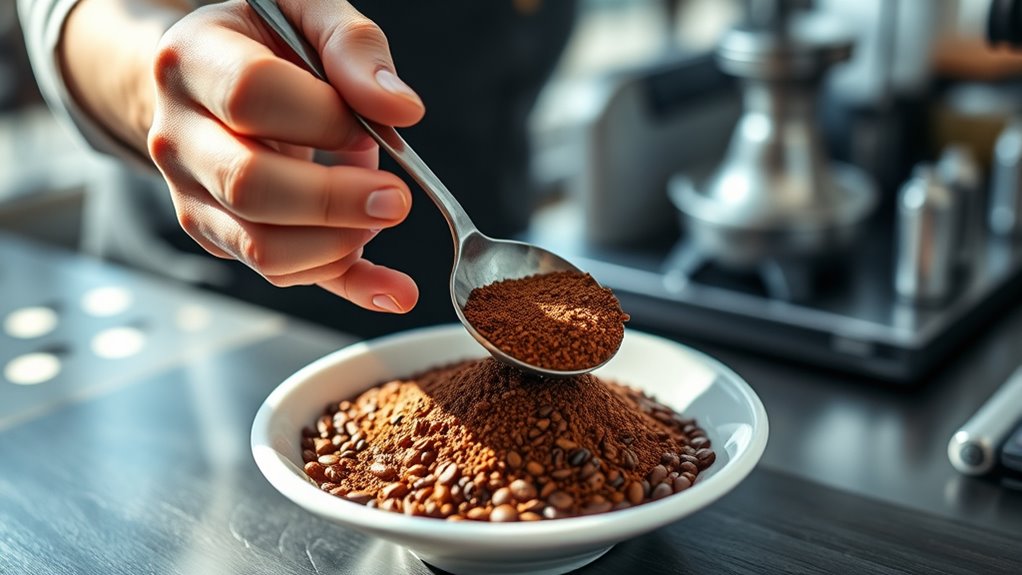
When starting your cupping session, you’ll begin by selecting your coffee beans, ideally freshly roasted and ground just before brewing. Consistency is key, so you want to grind all samples to the same coarseness, similar to sea salt. Proper equipment selection ensures your grind size is uniform, which directly impacts flavor extraction and profiling. Once your beans are ground, you pour hot water—generally around 200°F—over the grounds in each bowl. The water temperature influences extraction, so using a thermometer or a kettle with temperature control helps maintain precision. As the coffee steep, your nose picks up the initial aromas, giving you a preview of the flavor profile to come.
The next step involves breaking the crust that forms on top of each cup. When you gently push back the crust with a spoon, you release a burst of aromatic compounds. This moment is vital for flavor profiling because it reveals the complex scent layers—fruity, nutty, floral, or spicy—that define the coffee’s character. As you smell the coffee, take notes on the intensity and quality of these aromas. Your equipment selection, particularly your tasting spoons and cups, should facilitate easy, clean tasting without interfering with the sensory experience.
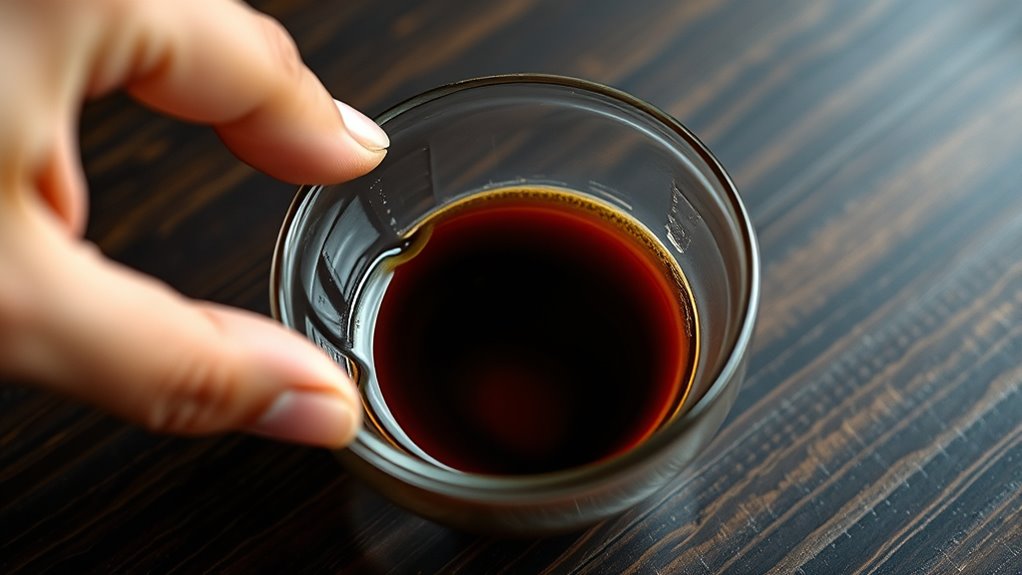
Finally, you slurp the coffee from your spoon, making sure to aerate it as it hits your palate. This active tasting method helps you perceive the coffee’s body, acidity, sweetness, and aftertaste more vividly. Throughout the process, your focus on consistent equipment and detailed notes enhances your understanding of each coffee’s flavor profile. Over time, this disciplined approach sharpens your palate and deepens your appreciation for the complexities within each cup. By paying close attention to equipment selection and flavor profiling, you transform cupping from a simple tasting into a precise, insightful exploration of coffee’s rich diversity.
Frequently Asked Questions
What Equipment Is Necessary for Cupping Coffee?
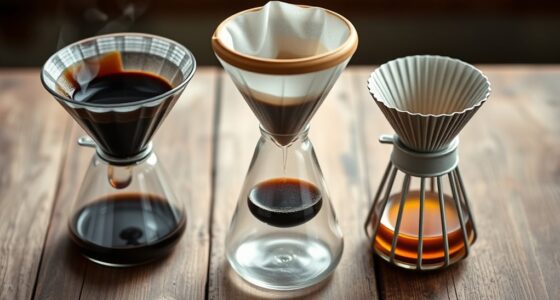
To cup coffee, you need a few essential items. Start with a coffee grinder to guarantee fresh, consistent grounds. Use cupping bowls or cuppers to hold the coffee samples. A kettle or hot water source helps you reach the ideal cupping temperature for proper extraction. A timer is vital for controlling steeping time, and a spoon for tasting. These tools help you accurately assess aroma, flavor, and body during the cupping process.
How Do I Store Coffee Grounds for Cupping?
You should store coffee grounds in airtight storage containers to maintain coffee freshness. Keep the container in a cool, dark place away from sunlight, heat, and moisture. This prevents oxidation and preserves the flavor, ensuring your cupping sessions reflect the coffee’s true profile. Avoid refrigerating or freezing grounds, as temperature fluctuations can damage their quality. Proper storage helps you get the most accurate, flavorful cupping experience every time.
Can I Cup Different Types of Coffee at Once?
Yes, you can cup different types of coffee at once, but you need a proper cupping session setup. This allows you to compare coffee flavor profiles accurately without cross-contamination. Use separate cupping bowls, spoons, and enough space to avoid mixing aromas. By doing so, you can better identify unique characteristics, aromas, and flavors, making your tasting more precise and insightful. This method enhances your understanding of each coffee’s distinct profile.
How Do I Clean Cupping Equipment Properly?
You should establish a cleaning schedule that includes rinsing your cupping equipment immediately after each use. Use sanitization techniques like hot water and a food-safe sanitizer to thoroughly clean the cups, spoons, and bowls. Scrub all surfaces to remove coffee residue, then dry completely to prevent mold. Regularly disinfect your equipment to guarantee hygiene and prevent cross-contamination, maintaining ideal cupping conditions for accurate tasting.
What Are Common Mistakes to Avoid During Cupping?
During sensory analysis and flavor profiling, avoid over-steeping or using inconsistent grind sizes, as these mistakes can skew your results. Don’t rush the cupping process; take your time to evaluate aroma, taste, and aftertaste. Also, steer clear of contamination by cleaning equipment thoroughly between cuppings. Keep your cups and spoons clean to guarantee accurate flavor profiling and reliable sensory analysis, helping you better understand each coffee’s unique characteristics.
Conclusion
Now that you know the nuances of cupping, it’s time to take your technique to the next level. Practice pouring, probing, and perceiving with passion and precision. Perfecting your process transforms brewing into a beautiful, bold, and balanced experience. So, seize the skill, savor the scent, and sharpen your senses. With consistent curiosity and care, your coffee cupping journey will continue to cultivate clarity, confidence, and a craving for quality. Happy cupping!