When choosing a coffee roaster for your hospitality business, focus on capacity, build quality, and ease of maintenance to guarantee consistent, high-quality outcomes. Look for eco-friendly features and sustainable sourcing options to align with your values. Balance your budget with support options and reliability to minimize downtime and long-term costs. Prioritize equipment that fits your operational needs and sustainability goals. Keep these basics in mind, and you’ll be better prepared to make an informed decision as you explore further details.

Get kitchen staples and gadgets delivered free — and shop member deals
- Fast, free delivery on millions of items
- Access to Prime Big Deal Days deals on October 6–7
- Prime Video, Amazon Music and more included
Key Takeaways
- Match roaster capacity and build quality to your volume and consistency needs for optimal results.
- Prioritize eco-friendly features and sustainable sourcing to align with environmental commitments.
- Ensure easy maintenance and reliable operation to minimize downtime and extend equipment lifespan.
- Consider support, warranty, and total cost of ownership for long-term value and peace of mind.
- Choose equipment that fits your operational size, quality standards, and sustainability goals for overall success.
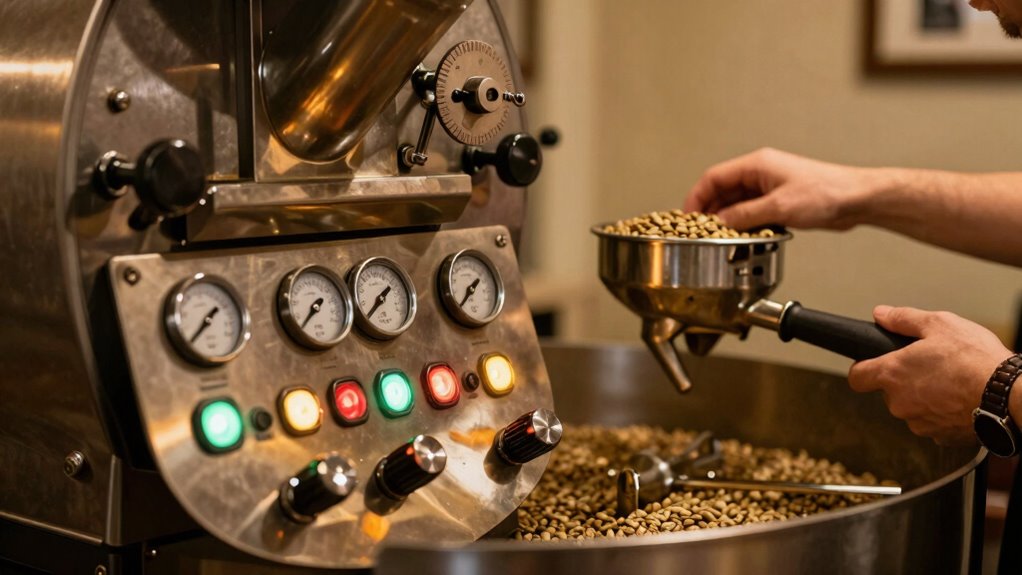
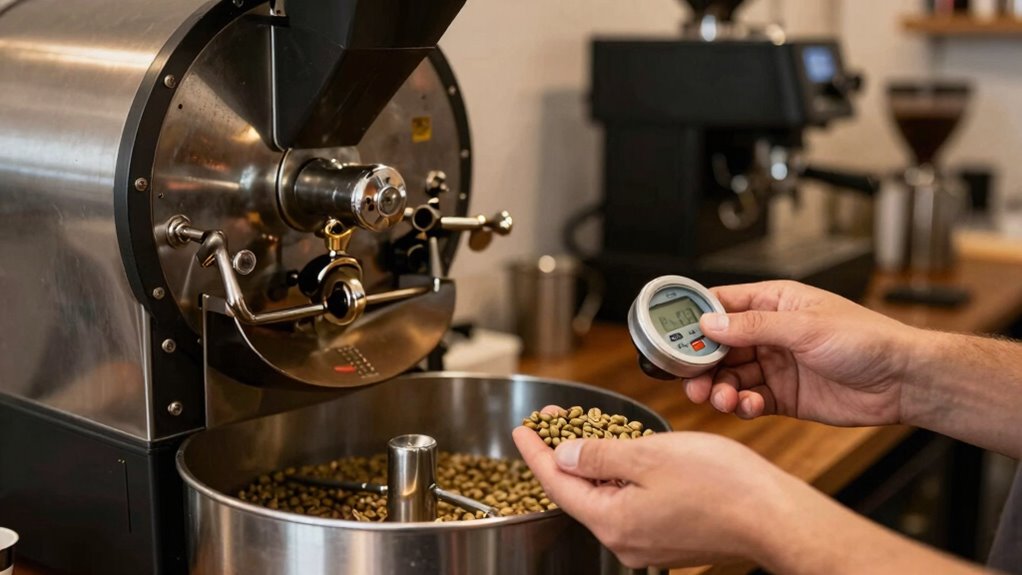
If you’re new to home roasting or looking to upgrade your equipment, understanding the basics of buying a coffee roaster is crucial. As a hospitality operator, your goal is to deliver high-quality coffee consistently, and choosing the right roaster plays a significant role in that process. One of the first things to weigh is the roaster’s capacity—how much coffee it can produce per batch. Larger capacities may suit busy cafes or restaurants, but smaller units offer more control and flexibility for specialty brews. Beyond size, consider the roaster’s build quality and features, like temperature control and airflow management, which influence the consistency and flavor of your roasts.
Choosing the right coffee roaster depends on capacity, build quality, and key features for consistent, high-quality results.
Sustainable sourcing is another critical factor. Many coffee enthusiasts now prioritize beans that are ethically sourced, and your equipment choices can reflect that commitment. Look for roasters that support or are compatible with beans from suppliers committed to sustainable sourcing practices. This not only aligns with your values but also appeals to customers who care about ethically produced coffee. Additionally, some roasters are designed with eco-friendly features, such as energy-efficient components or exhaust systems that reduce emissions, making your operation more sustainable. Incorporating eco-friendly features into your equipment can further enhance your commitment to sustainability and reduce your environmental impact. Staying informed about sustainable sourcing practices can help you make better choices in your entire coffee program. Regularly researching innovations in green technology can also provide you with new opportunities to improve your sustainability efforts.
Maintenance requirements are equally important to weigh. A well-maintained roaster ensures reliability, consistent results, and a longer lifespan. Ask about the cleaning procedures—can you easily access parts like chaff collectors and air filters? Are there automated cleaning cycles or simple manual processes? Regular maintenance might include cleaning the drum, replacing filters, and calibrating temperature controls. The more straightforward the maintenance, the less downtime you’ll experience, which is crucial in a hospitality setting where consistency and speed matter. Proper maintenance also plays a role in maintaining optimal performance and ensuring the quality of each roast. Additionally, selecting a roaster with clear maintenance guidelines can help ensure proper care and longevity.
Cost is another factor that ties into your decision. While high-end models might come with advanced features and better build quality, they also often demand higher upfront investment and maintenance costs. Balance your budget with your operational needs, and don’t forget to factor in ongoing expenses like parts, repairs, and consumables. Choosing a roaster with a reputation for durability and available support can save you money and headaches down the line. Moreover, researching support and warranty options can provide peace of mind and ensure assistance when needed.
Ultimately, selecting a coffee roaster for your hospitality operation requires balancing capacity, sustainability, ease of maintenance, and cost. Prioritize equipment that aligns with your values and operational needs, ensuring you can deliver great coffee day after day. A thoughtful purchase today will set the foundation for a successful, sustainable coffee program long into the future.
As an affiliate, we earn on qualifying purchases.
Frequently Asked Questions
How Often Should I Clean and Maintain My Coffee Roaster?
You should clean your coffee roaster after every use to maintain maximum roasting capacity and prevent bean storage contamination. Regular maintenance, including deep cleaning weekly, ensures consistent quality and extends the equipment’s lifespan. Pay attention to parts like chaff collectors and cooling trays. Proper cleaning routines help preserve your roaster’s performance, guaranteeing each batch meets your standards and your customers’ expectations.
What Safety Precautions Are Necessary When Operating a Roaster?
When operating a roaster, you need to prioritize fire safety by keeping a fire extinguisher nearby and regularly inspecting electrical components. Make certain proper ventilation requirements are met to prevent smoke buildup and maintain air quality. Always wear heat-resistant gloves and eye protection, follow manufacturer instructions carefully, and never leave the roaster unattended during operation. These precautions help protect you, your staff, and your establishment from potential hazards.
Can I Roast Different Beans Simultaneously?
Yes, you can roast different beans simultaneously, but it depends on your roasting capacity and how well you manage bean blending. Larger capacity roasters often allow you to load multiple types of beans at once, enabling efficient blending while roasting. However, you need to monitor profiles carefully to avoid uneven roasting. Proper planning guarantees you maintain quality and flavor consistency when blending beans during a single roasting session.
What Are the Energy Consumption Differences Between Models?
Think of choosing a coffee roaster like selecting a car; some models sip fuel, while others are more efficient. Energy efficiency varies widely, with newer models consuming less power and reducing operational costs. For instance, a high-end roaster might use 20% less power than an older one, saving you money and lowering your environmental footprint. Always compare power consumption specs to find the most energy-efficient option for your hospitality needs.
How Long Does It Take to See a Return on Investment?
You can typically see a return on investment within 1 to 3 years, depending on your profit margins and how efficiently you use the equipment. Higher-quality roasters with longer equipment lifespan often lead to better profits over time. By carefully managing your costs and maximizing production, you’ll accelerate your ROI. Consistent maintenance and selecting the right model also help guarantee quicker returns and sustained profitability.
Conclusion
Choosing the right coffee roaster is like finding the perfect key to open your café’s potential. It guarantees you serve fresh, flavorful brews that keep customers coming back. Focus on size, features, and quality to match your needs, and don’t rush the decision. Remember, investing wisely now is like planting a seed for future success — it’ll grow into a vibrant, thriving business that your customers will love to visit every day.
Halloween Picks
halloween
As an affiliate, we earn on qualifying purchases.