
TL;DR

Get kitchen staples and gadgets delivered free with Prime
- Fast, free delivery on millions of items
- Prime Video, Amazon Music and more included
- Member-only deals all year
Good Housekeeping reports that its tests of 353 sheet sets found that higher thread counts did not reliably predict better performance or a softer feel. The report says thread count is most applicable to 100% cotton sheets made with single-ply yarns; fiber and weave also matter.
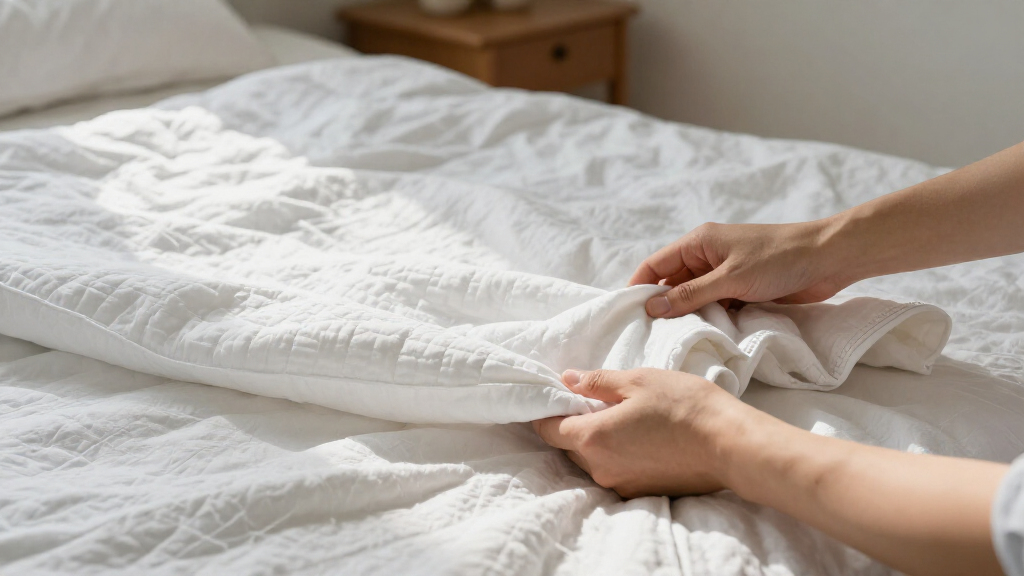
Good Housekeeping’s testing of 353 sheet sets found that higher thread counts did not consistently mean better-performing sheets or a softer feel, challenging a number shoppers often use as a shortcut for quality. The magazine’s report says thread count is most relevant for 100% cotton, single-ply woven sheets, and advises buyers to consider fiber and weave as well.
The Good Housekeeping Institute Textiles Lab cross-referenced thread counts with results from its evaluations of 353 sheet sets. According to the report, lab testing assessed durability and performance using specialized equipment, while consumer testers compared fabric softness without being told which sheets they were rating. Home sleep testers also provided feedback on comfort, appearance and ease of use.
For cotton sheets, the report identifies 300 to 500 as a range in which many of the best-performing options in its testing fell. That range is not a guarantee: sheets below 300 can still be good quality, and a count within the range does not prove that a set is well made. The report says counts above 500 are not automatically better and urges shoppers to be skeptical of figures substantially above 1,000.
Thread count means the number of yarns per square inch of woven fabric. A higher count can reflect finer yarns in certain cotton fabrics, but the report says a count may be misleading when brands use multiple-ply yarns or apply it to materials whose construction differs from cotton. The supplied report says a tested 1,400-count cotton-polyester set using a technique to raise its count was not a top performer; it does not provide the set’s brand or detailed score.
What Sheet Shoppers Should Prioritize
The findings matter because thread count is often presented as a simple ranking of sheet quality, and a higher number can make a product appear more luxurious. Good Housekeeping’s results suggest that relying on that number alone may lead shoppers to pay more without a reliable indication of softness, durability or overall performance.
Instead, the report points buyers toward fiber content and weave. Cotton type can affect feel and durability, while materials such as polyester, rayon, linen and silk are not directly comparable to cotton by thread count. For some fabrics, such as flannel and jersey knit, construction and fabric weight make the usual count less meaningful or inapplicable.
This is a guide to interpreting a label, not a universal rating system for every sheet on the market. Good Housekeeping’s results reflect the sets and methods included in its own testing, and do not establish that every product in a given count range will perform the same way.
Products Worth Considering

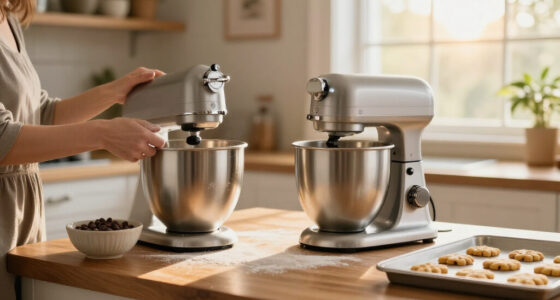
KitchenAid Artisan Series 5-Quart Tilt-Head Stand Mixer, Dried Rose (KSM150PS)

Le Creuset Signature 6.5-Quart Deep Round Dutch Oven with Light Gold Crucible Knob, Enameled Cast Iron, Bleu Riviera

KitchenAid Classic Series 4.5 Quart Tilt-Head Stand Mixer K45SS, Onyx Black
As an affiliate, we earn on qualifying purchases.
Why Counts Differ by Fabric
The report defines thread count as the total yarns in a square inch of woven fabric. It explains that finer yarns can fit more densely than thick ones, which is why a high number has traditionally been associated with smoother, more durable cotton. But that association depends on the type of yarn and fabric, rather than the number alone.
Good Housekeeping says the count is relevant only for 100% cotton sheets with single-ply weaves. Multiple-ply yarns consist of strands twisted together, and the report says some manufacturers have used two- or three-ply yarns to raise advertised counts. It also notes that polyester and cotton-polyester blends can use very fine manufactured fibers, while rayon fibers are processed from plant-based raw materials. These materials therefore cannot be judged by cotton’s count conventions.
Other fabrics are measured or made differently: linen yarns are thicker, silk is typically described by fabric weight, flannel is characterized by brushed fibers and weight, and jersey sheets are knitted rather than woven. The report says shoppers should check a product’s fiber percentage and construction, details that it says may not always be specified clearly on packaging.
““A higher thread count does not necessarily mean better or more durable sheets.””
— Good Housekeeping report
Limits of the Testing Findings
The supplied report does not list all 353 sheet sets, provide full results for each product, or state the testing dates. It also does not give a detailed statistical analysis of the relationship between thread count and performance. Its conclusions should therefore be read as Good Housekeeping’s findings from its evaluations, rather than proof that thread count has no relevance in every fabric or product.
The report does not identify the brand of the 1,400-count cotton-polyester set or provide its precise test scores. It also notes that shoppers may not always be told the cotton percentage or yarn ply, leaving some product claims difficult to assess from packaging alone. A thread count by itself cannot resolve those gaps.
What to Check on the Label
For shoppers comparing sheets, the report’s practical next step is to read beyond the advertised count. Check whether the fabric is 100% cotton, whether the yarn is single-ply, and what weave or construction the product uses. Consider the stated fiber type and any available product-testing information rather than treating a high number as a stand-alone quality score.
Good Housekeeping’s report does not announce a new test or a future update. Its guidance rests on the 353 sets already evaluated, with the report describing continued sheet testing by the Textiles Lab and consumer testers. No additional testing date or next publication is specified in the supplied material.
Key Questions
Does a higher thread count mean better sheets?
Not necessarily. Good Housekeeping says its testing of 353 sheet sets found no consistent link between higher thread counts and better performance or softness.
What thread count does Good Housekeeping recommend for cotton sheets?
The report says many of the best cotton sheets in its testing had counts between 300 and 500. It stresses that this is not a guarantee of quality, and good sheets can also fall below 300.
When is thread count useful?
According to the report, thread count is most applicable to 100% cotton sheets made with single-ply yarns. Even then, it is only one factor and does not guarantee quality.
Why can a very high thread count be misleading?
The report says multiple-ply yarns can raise advertised counts, and fine manufactured polyester fibers can also produce high figures. Counts for different materials are not directly comparable with cotton counts.
What should I check besides thread count?
Look at the fiber content, yarn construction and weave. Good Housekeeping also recommends considering product performance and feel rather than choosing sheets by the number on the label alone.
Source: rss