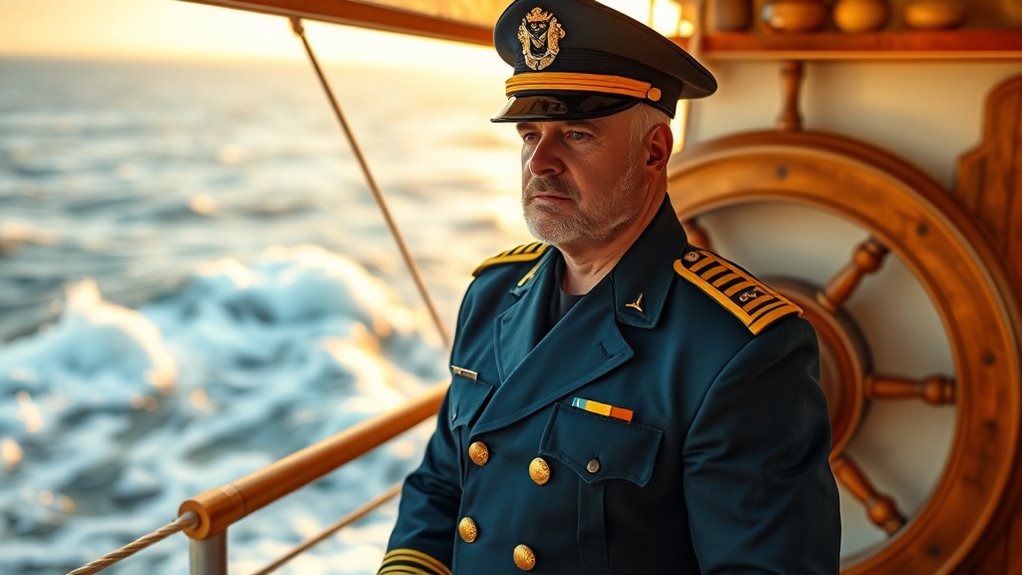

A captain’s order is an official command issued by the ship’s captain, carrying legal authority and reflecting the captain’s responsibility for navigation, safety, and operations on board. When you hear or follow a captain’s order, you’re acting within a clear chain of command designed to keep everyone safe and the vessel on course. Understanding the purpose and significance of these orders is essential—continue to explore how they shape the functioning of a ship.
Key Takeaways
- A captain’s order is an official command issued by the vessel’s commanding officer.
- It directs personnel to perform specific actions related to navigation, safety, or operations.
- Such orders are binding and must be followed as part of naval hierarchy and discipline.
- They ensure coordinated actions during routine operations or emergencies.
- The order reflects the captain’s authority and trust in leading the crew effectively.
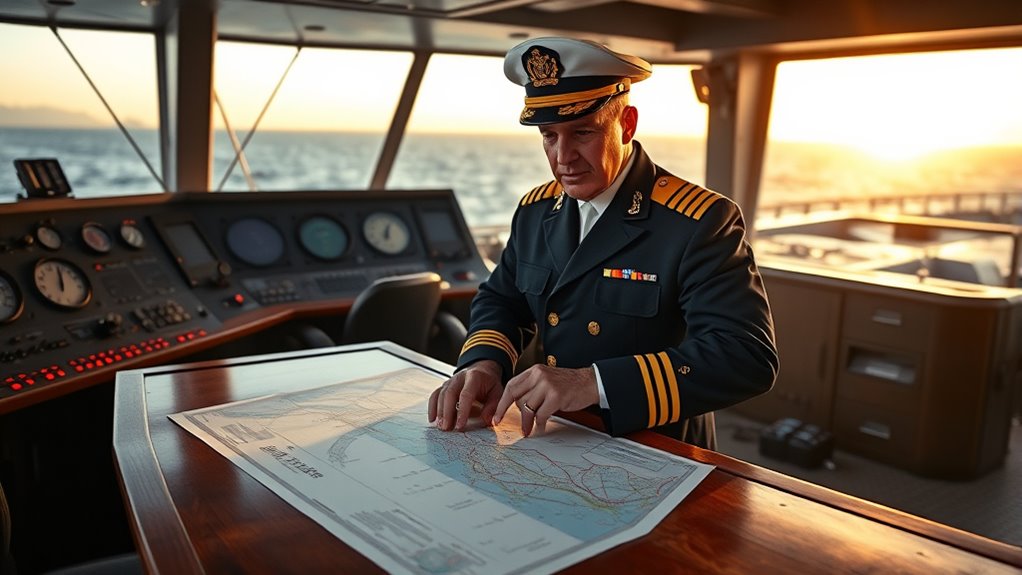
In any team or vessel, the captain’s orders are the guiding force that guarantees smooth operations and safety. As the central figure in the chain of command, you rely on the captain’s directives to coordinate activities, ensure discipline, and maintain order. The captain’s role is deeply rooted in the naval hierarchy, where each rank and position has specific responsibilities, but the captain’s command authority remains supreme. This authority isn’t just about giving orders; it’s about having the legal and operational power to direct everyone on board or in the team. When you receive a captain’s order, it signifies an official instruction rooted in the established hierarchy, meant to keep everyone aligned toward common goals. Understanding the naval hierarchy is essential to grasp the importance of a captain’s orders. In a typical vessel, the hierarchy starts with the captain at the top, followed by officers, crew members, and support staff. The captain’s command authority encompasses decision-making power over navigation, safety procedures, and operational tactics. This authority is recognized universally within the vessel, making the captain’s orders binding and non-negotiable during the course of duty. The hierarchy ensures that each person knows their role and respects the chain of command, which prevents chaos and confusion during critical moments. When you follow a captain’s order, you’re respecting this structured chain, trusting that the command authority is based on experience, expertise, and legal responsibility. Recognizing the importance of chain of command helps reinforce the necessity of adhering to the captain’s directives. Your role in executing these orders is crucial. The captain’s instructions aren’t arbitrary; they’re designed to optimize safety, efficiency, and mission success. Whether it’s adjusting the ship’s course, implementing safety protocols, or coordinating emergency procedures, your compliance with the captain’s orders ensures the entire team functions effectively. It’s vital to understand that disregarding or questioning a captain’s order can compromise safety and operational integrity. That’s why the command authority vested in the captain is absolute—every crew member must adhere to it unless it jeopardizes safety, in which case, proper protocols are followed to escalate concerns. Ultimately, a captain’s order isn’t just a command; it’s a reflection of the trust placed in the captain’s leadership within the naval hierarchy. It embodies the authority necessary to lead a complex operation, keep everyone safe, and achieve objectives. By respecting and executing these orders promptly, you contribute to a disciplined and cohesive environment where safety and efficiency are prioritized, and the chain of command functions seamlessly.
Frequently Asked Questions
Can a Captain’s Order Be Overridden by Crew Members?
Yes, a captain’s order can be overridden by crew members, but only within the crew hierarchy and authority levels. If a crew member with higher authority or specialized knowledge recognizes a safety concern or procedural issue, they may challenge or override the order. However, generally, the captain’s authority is paramount, and crew members are expected to follow their orders unless safety or legal considerations demand otherwise.
Are Captain’s Orders Legally Binding in Maritime Law?
You should know that captain’s orders are legally binding under maritime law, with the maritime authority granting them significant weight. Statistically, ships operating under a captain’s orders are less likely to experience accidents, highlighting their significance. These orders are enforceable through legal channels, ensuring crew compliance. As a result, captains hold a vital role in maintaining safety and order, with their directives legally enforceable to uphold maritime regulations and protect everyone onboard.
How Are Captain’s Orders Communicated During Emergency Situations?
During emergency situations, you communicate captain’s orders through clear emergency signaling methods, like radio, loudhailer, or signals, ensuring quick understanding. You follow the established communication hierarchy, prioritizing the captain’s authority while coordinating with crew members and emergency services. This approach guarantees swift, effective action, minimizing risks. Always confirm reception, stay calm, and adapt your communication method to the situation to maintain safety and order onboard.
What Are the Consequences of Disobeying a Captain’s Order?
Disobeying a captain’s order can lead to serious consequences, including disciplinary actions like warnings, suspension, or even termination, depending on the severity. You might also face legal liabilities if your disobedience causes accidents or damage. In the crew hierarchy, respecting the captain’s authority is essential for safety and order. Ignoring orders undermines leadership, risking safety and cohesion aboard, so always follow directives promptly and responsibly.
Do Different Ships Have Different Protocols for Issuing Captain’s Orders?
Think of ships as living beings with unique personalities; each has its own ship protocol reflecting crew hierarchy. You’ll find that different vessels, from cargo ships to luxury liners, have varied procedures for issuing captain’s orders. These protocols guarantee safety and efficiency, guiding crew actions. As part of the crew, you must adapt to each ship’s specific rules, understanding that these variations help maintain order and navigation through unpredictable waters.
Conclusion
A captain’s order is like a compass, guiding the crew through calm and stormy seas alike. When you follow it, you trust in the captain’s experience and authority, knowing it keeps everyone safe and on course. Ignoring these orders can be as risky as sailing without a map. So, remember, a captain’s order isn’t just a command—it’s a crucial part of steering the unpredictable waters of leadership and teamwork.