To prevent your heat seals from popping, it’s crucial to choose the right bag material and set the correct temperature. Polyethylene (PE) seals well at 250-300°F, while polypropylene (PP) may need slightly higher temps. Adjust the temperature based on material thickness and follow manufacturer guidelines. Proper sealing pressure and hold time also help create secure, airtight seals. If you keep these tips in mind, you’ll improve your sealing results and guarantee lasting, professional packages.

Get kitchen staples and gadgets delivered free with Prime
- Fast, free delivery on millions of items
- Prime Video, Amazon Music and more included
- Member-only deals all year
Key Takeaways
- Match the sealer’s temperature settings to the specific bag material (PE, PP, etc.) for strong, leak-proof seals.
- Use manufacturer-recommended temperature ranges to prevent melting, burning, or weak seals that can pop open.
- Adjust heat and hold time based on bag thickness and material to ensure a secure, airtight seal.
- Conduct test seals on small sections to determine optimal temperature and pressure for each material type.
- Proper sealing technique and consistent pressure prevent weak spots that cause seals to fail or pop open over time.
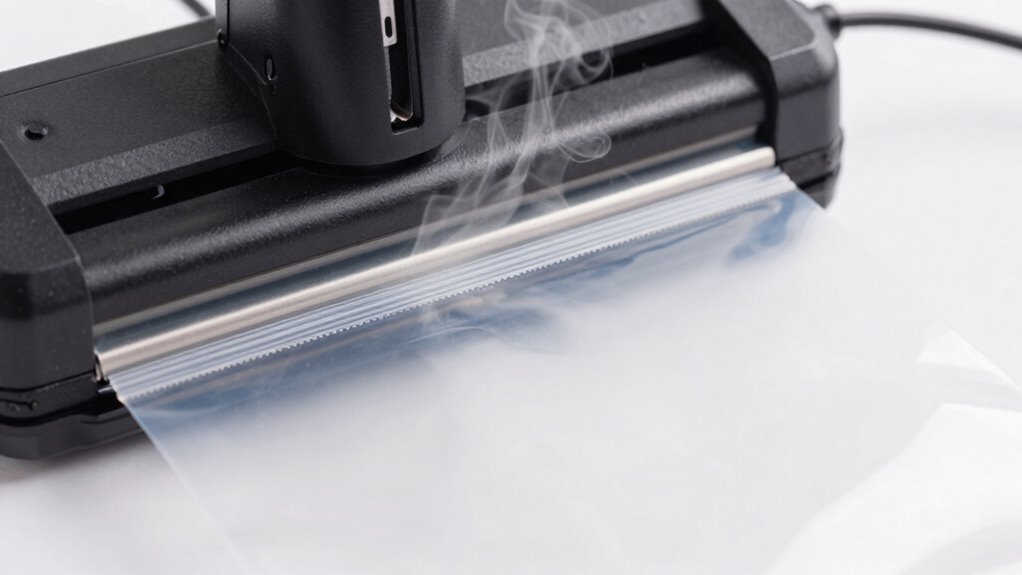
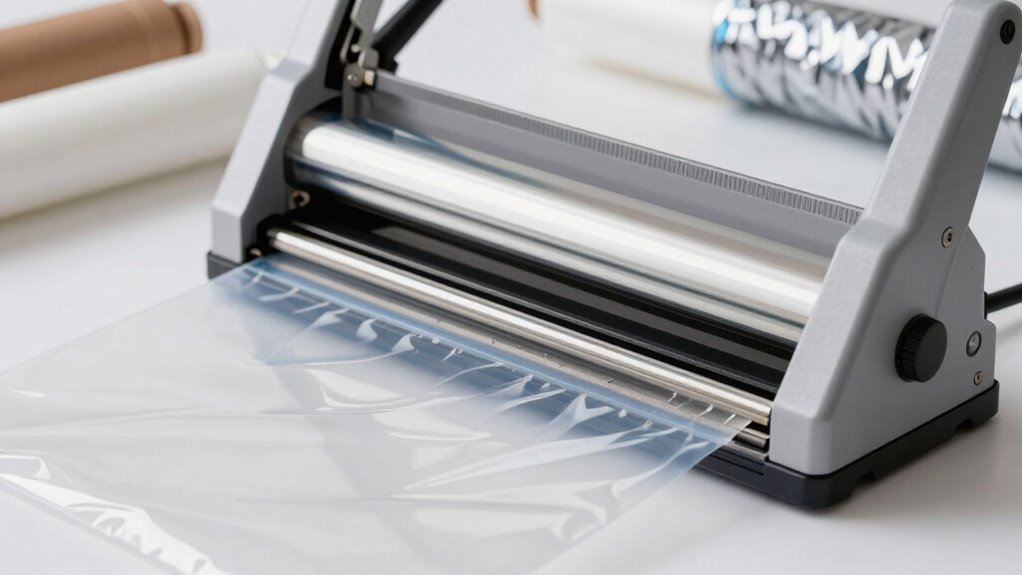
Heat sealers are vital tools for creating airtight and secure seals on various packaging materials. When you’re sealing different types of bags or pouches, understanding the right sealing techniques and temperature settings is essential to guarantee your seals hold firm and don’t pop open later. The key to successful sealing lies in adjusting your heat sealer correctly for the specific material you’re working with. This involves selecting the proper temperature settings that match the bag material, so you get a complete, secure closure without damaging the bag or causing weak spots.
Different materials require different sealing techniques, and adjusting your temperature settings accordingly makes all the difference. For example, polyethylene (PE) and polypropylene (PP) are common bag materials, but they each have specific needs. PE typically seals well at lower temperatures, around 250-300°F, while PP might need slightly higher settings. If the temperature is too low, you risk incomplete seals that can open easily, jeopardizing your product’s freshness or safety. Conversely, setting the temperature too high can melt or burn the material, creating weak spots or even sticking the bag to the sealing element, which ruins your seal.
To get the best results, you should start with the manufacturer’s recommended temperature settings and then fine-tune based on your specific bag thickness and type. Testing a small section before sealing your entire package helps you find the ideal temperature. Pay attention to how the material reacts: it should melt smoothly and bond without burning or deforming. Using proper sealing techniques also means applying consistent pressure and holding the sealer for the appropriate amount of time—usually just a few seconds—to ensure a uniform seal. Rushing or uneven pressure can cause weak spots or incomplete seals, increasing the risk of popping open later.
If your heat sealer has adjustable temperature controls, take advantage of this feature to customize your sealing process. Remember, each material and thickness may require slight adjustments, so don’t be afraid to experiment until you find the perfect combination. Proper sealing techniques also involve understanding the sealing process and how different factors affect the outcome. When you master sealing techniques and temperature settings, your seals become more trustworthy, protecting your products and maintaining freshness. Properly sealed packaging not only looks professional but also prevents leaks, contamination, and spoilage. With a little practice, you’ll be able to consistently produce airtight seals that last, giving your packaging a polished, secure finish every time.
As an affiliate, we earn on qualifying purchases.
Frequently Asked Questions
Can Heat Sealers Be Used on All Types of Plastic Bags?
Heat sealers can’t be used on all types of plastic bags due to plastic compatibility and sealing limitations. You need to check if your bag material is heat-sealable; some plastics, like polyethylene and polypropylene, work well, while others, like static cling or laminated bags, may not. Always test compatibility first, and be aware of sealing limitations to prevent popping seals or weak bonds that could compromise your packaging.
How Long Do Heat Seals Typically Last Before Failing?
Heat seals typically last between several months to a year, depending on seal durability and material lifespan. You might notice the seal weakening if exposed to heat, moisture, or rough handling. To maximize longevity, verify your bags are compatible with your sealer and use proper sealing techniques. Regularly inspect seals for cracks or gaps, and reseal as needed to keep contents protected and extend the overall lifespan of your packaging.
Are There Eco-Friendly Bag Materials Compatible With Heat Sealers?
Think of eco-friendly bag materials as the garden’s new seeds—promising growth without harming the environment. Yes, you can use biodegradable plastics and recycled materials with heat sealers. These alternatives are compatible and help reduce waste. Just like nurturing a healthy garden, choosing these materials guarantees your packaging is sustainable, eco-conscious, and effective. They’re perfect for sealing in freshness while caring for the planet.
What Safety Precautions Should Be Taken When Using Heat Sealers?
You should always follow workplace safety guidelines when using heat sealers to prevent electrical hazards. Make sure the device is properly grounded, keep it away from water, and inspect cords for damage. Wear heat-resistant gloves if needed, and never leave the sealer unattended while in use. Regularly maintain and clean the equipment to avoid malfunctions. Staying alert and adhering to safety protocols minimizes risks and guarantees safe operation.
Can Heat Sealers Be Used for Sealing Non-Food Items?
You can definitely use heat sealers for sealing non-food items, especially in industrial applications and craft projects. While they’re great for food packaging, their versatility makes them ideal for sealing plastics, fabrics, and other materials. Just guarantee you’re using the right settings and compatible materials to avoid damage or poor seals. Whether for creating custom storage solutions or craft projects, heat sealers offer quick, secure sealing beyond just food packaging.
Conclusion
So, next time your bag pops open at the worst moment, remember—it’s not just bad luck, it’s your bag’s way of protesting. By choosing the right material and sealing it properly, you can keep your snacks safe and your patience intact. Don’t let a flimsy bag ruin your day; treat it like a diva and give it the quality seal it craves. After all, a good seal is the real hero in this snack-saving saga.
Halloween Picks
halloween
As an affiliate, we earn on qualifying purchases.