When restaurant managers talk about spike hours, they mean those busy moments when customer flow suddenly increases, like during dinner rushes or special events. These times require quick action, strong staff coordination, and strategic planning to handle the demand smoothly. Managing spike hours effectively helps reduce wait times, boost sales, and keep customers happy. If you want to discover key strategies to master these busy moments, there’s more to explore below.

Get kitchen staples and gadgets delivered free with Prime
- Fast, free delivery on millions of items
- Prime Video, Amazon Music and more included
- Member-only deals all year
Key Takeaways
- Periods with a sudden increase in customer volume requiring focused staffing and service adjustments.
- Strategic moments for maximizing revenue through targeted staff scheduling during busy times.
- Recognized patterns like dinner rushes or weekend peaks that anticipate high customer flow.
- Unpredictable surges caused by events, weather, or local happenings demanding quick staffing responses.
- Critical times to ensure smooth operations, reduce wait times, and enhance guest satisfaction.
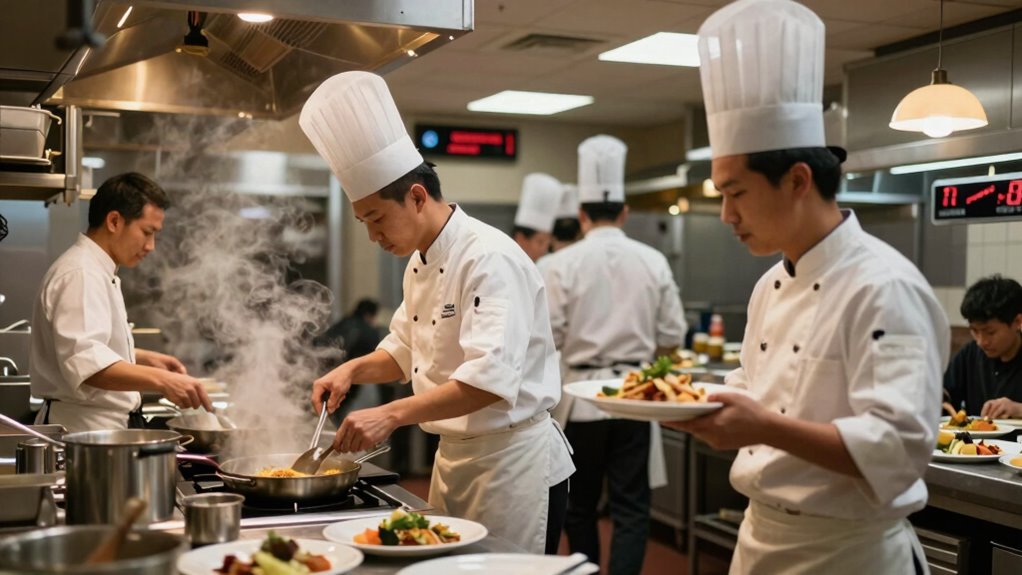
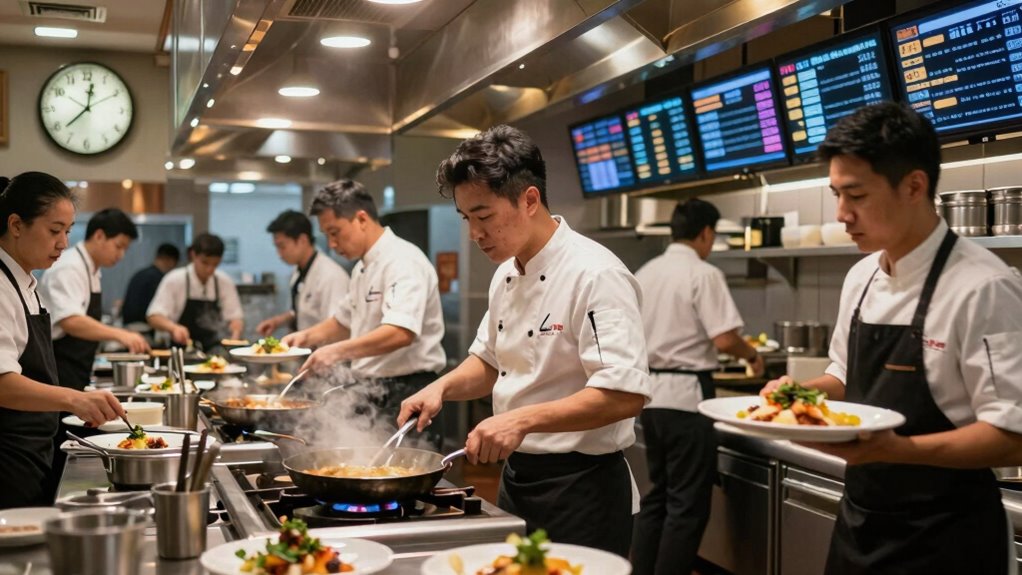
Managing a restaurant often means dealing with unpredictable busy periods, known as spike hours, when customer volume suddenly surges. During these times, you might find your restaurant bursting at the seams, with customers waiting longer for their orders and staff rushing to keep up. Spike hours are critical moments that test your planning and responsiveness, and understanding what they truly mean can help you prepare better. For you, spike hours are not just busy moments; they’re opportunities to deliver memorable experiences and maximize sales. But to do that effectively, you need to master staff scheduling. Properly allocating your team during these peak times ensures that customer flow remains smooth, reducing wait times and improving service quality.
Managing staff during spike hours ensures smooth service, shorter waits, and memorable customer experiences.
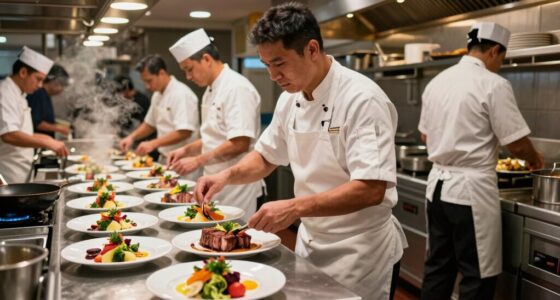
When customer flow intensifies unexpectedly, your staff needs to be ready to handle the increased demand. That means having a flexible staff scheduling system that can adapt quickly. You might need to bring in extra servers, bartenders, or kitchen staff to prevent burnout and maintain efficiency. Sometimes, it’s about staggering shifts so that the most experienced team members are available during peak hours. This way, your staff can work cohesively, managing customer flow seamlessly without feeling overwhelmed. You also need to contemplate break times; strategic scheduling prevents gaps that could slow down service when volume peaks. Additionally, understanding customer flow patterns** can help you predict and prepare for these spikes in advance. Recognizing seasonal trends can also be valuable in anticipating busy periods, especially during holidays or local events. Incorporating real-time data from reservation or POS systems can further enhance your ability to respond swiftly to sudden surges. Keeping an eye on local events and weather conditions** can also give you a head start in planning for unexpected spike hours, allowing more precise staffing adjustments.
Understanding spike hours involves recognizing patterns in customer flow. For example, dinner rushes or weekend brunches tend to be predictable, so you can plan staff schedules accordingly. However, unpredictable spike hours often pop up unexpectedly—maybe due to a local event, weather changes, or special promotions. In these moments, your ability to quickly adjust staff scheduling can be the difference between chaos and smooth operation. Using real-time data or reservation systems helps anticipate these surges, enabling you to prepare your team in advance. Being aware of customer behavior and their likely arrival times can further refine your staffing plans, making your operations more responsive.
Ultimately, spike hours demand your attention to detail in staff scheduling and a keen eye on customer flow. When you anticipate these busy periods and adjust your staffing levels proactively, you keep your service smooth and your customers satisfied. Recognizing the signs of an impending spike hour allows you to mobilize your team efficiently, ensuring that everyone is in position to handle the surge. This proactive approach not only improves customer experience but also boosts your restaurant’s reputation and revenue. Managing spike hours effectively comes down to your ability to read the patterns, schedule staff wisely, and stay flexible in the face of fluctuating customer flow.
restaurant staff scheduling software
As an affiliate, we earn on qualifying purchases.
As an affiliate, we earn on qualifying purchases.
Frequently Asked Questions
How Do Spike Hours Impact Staff Scheduling?
Spike hours directly impact your staff scheduling by requiring you to allocate more staff during those busy times, which can challenge scheduling flexibility. You might need to ask staff to work extra shifts or adjust their hours, potentially affecting staff morale. To manage this, plan ahead, communicate clearly, and offer incentives, ensuring your team stays motivated and flexible enough to handle peak periods effectively.
What Tools Are Used to Predict Spike Hours?
You use predictive analytics and demand forecasting tools to predict spike hours. These tools analyze past sales, customer flow, and seasonal trends to forecast busy periods. With accurate predictions, you can adjust staffing levels, optimize inventory, and enhance customer service. By leveraging data-driven insights, you stay ahead of busy times, ensuring smooth operations and satisfied customers during those peak moments.
How Do Spike Hours Affect Restaurant Profitability?
Spike hours considerably impact your restaurant’s profitability by influencing customer behavior and staffing needs. During these busy times, you see increased sales, but if you’re not prepared, costs can rise quickly. Using targeted marketing strategies can attract more customers during off-peak hours, balancing your revenue. Understanding spike hours allows you to optimize staffing and inventory, ensuring you capitalize on peak times without overspending, boosting overall profitability.
Are Spike Hours Consistent Across Different Restaurant Types?
Spike hours aren’t always consistent across different restaurant types because customer flow varies based on seasonal trends and specific business models. For example, quick-service spots might see peak times during lunch, while fine dining restaurants experience spikes in the evening. You’ll notice these patterns shift with holidays, weather, and local events. Understanding these differences helps you better manage staffing, inventory, and marketing strategies to maximize profitability during those busy periods.
How Can Managers Prepare for Unexpected Spike Hours?
You should monitor customer flow patterns regularly to anticipate unexpected spike hours. When you notice an increase in customer flow, quickly adjust your menu by offering specials or streamlined options to handle the rush efficiently. Train your staff to stay flexible and prepared for sudden changes. By staying proactive with staffing and menu adjustments, you’ll manage unexpected spike hours smoothly, ensuring customer satisfaction and optimizing your restaurant’s performance during busy times.
Conclusion
So, next time you hear restaurant managers rave about spike hours, just remember they’re basically bragging about their busiest, chaotic moments. It’s like a badge of honor, a “we survived the madness” medal. Sure, it’s stressful, but hey, at least you’ve got an excuse to drown your sorrows in free bread and overly complicated cocktails. Cheers to the glorious chaos—because what’s life without a little restaurant-induced adrenaline?
NFL season / tailgating Picks
team gear
As an affiliate, we earn on qualifying purchases.