TL;DR

Get kitchen staples and gadgets delivered free with Prime
- Fast, free delivery on millions of items
- Prime Video, Amazon Music and more included
- Member-only deals all year
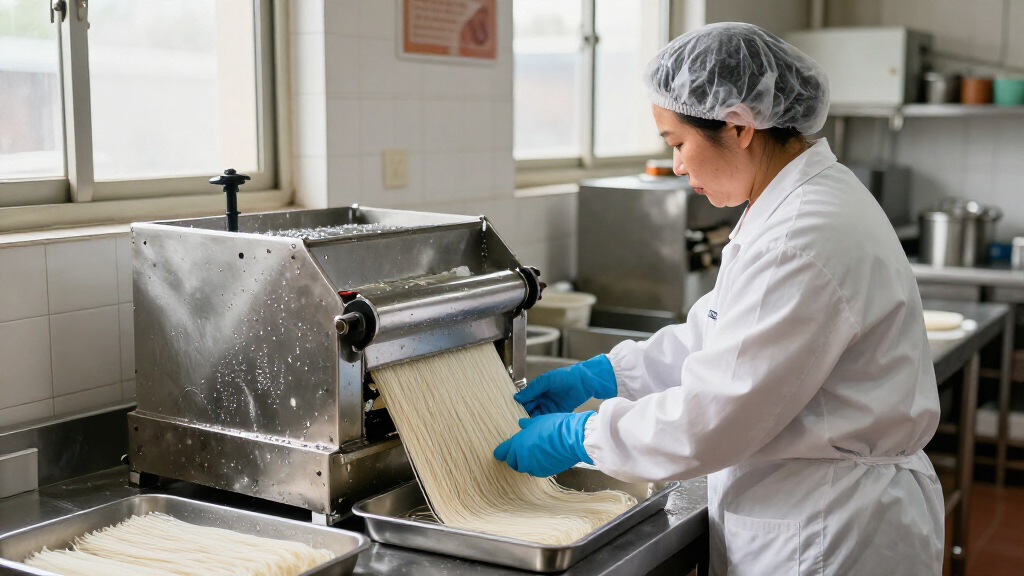
The FDA issued a warning letter to Rama Food Manufacture Corp., a rice noodle maker based in Ontario, California, after inspections at two facilities found inadequate controls for bacterial growth and toxin formation, sanitation deficiencies and pest activity. The company has 15 days to respond; the available report does not detail the full findings or say whether products were recalled.
The U.S. Food and Drug Administration has issued a warning letter to Rama Food Manufacture Corp., a rice noodle maker based in Ontario, California, after inspections found inadequate controls for bacterial growth and toxin formation, sanitation deficiencies and pest activity at two facilities. The company has 15 days to respond to the letter, according to Food Safety News.
The reported findings cover several food-safety concerns, including controls meant to limit the growth of bacteria and the formation of toxins, as well as sanitation problems and pest activity. The source report does not provide the inspection dates, identify the specific pests or describe the conditions in detail. It also does not name the two facilities or state whether they are both operated by the company.
The FDA sends warning letters to businesses under its jurisdiction as part of its enforcement work. According to Food Safety News, businesses have 15 days to respond. That period gives the firm an opportunity to address the agency’s concerns, but the available report does not include Rama Food Manufacture Corp.’s response or say whether the FDA has accepted any corrective steps.
The report also does not state whether the agency identified illnesses, contamination in finished products, a recall or a suspension of operations. The reported inspection findings describe concerns at facilities; they do not, on their own, establish that consumers became ill or that a specific product was contaminated.
How Facility Findings Affect Noodle Safety
Sanitation and pest controls are central to preventing contamination in food-processing environments. The FDA’s stated concerns about bacterial growth and toxin formation make the findings relevant to consumers who buy products from the manufacturer, as well as retailers and food-service businesses that may handle them.
A warning letter is a formal regulatory action that puts a company on notice about the agency’s findings and gives it a short period to respond. The public information provided here does not establish whether any rice noodles currently on sale pose a health risk. Consumers should not treat the warning letter alone as confirmation of illness or contamination, and the available report does not identify particular brands, packages or product lots.
The outcome may depend on what the company tells the FDA and whether the agency considers the response adequate. If the FDA later announces further action, such as a recall or additional enforcement, that would provide information not included in the current report.
Products Worth Considering

Instant Pot Vortex Plus 6-Quart 6-in-1 Air Fryer

Vitamix Propel Series 510 Professional-Grade Blender, 3 Programs, Black
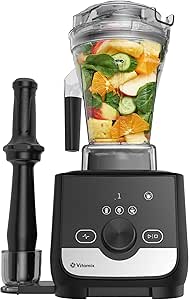
Vitamix Ascent X3 Professional-Grade Blender, 3 Programs, Shadow Black
As an affiliate, we earn on qualifying purchases.
How FDA Warning Letters Work
Food Safety News reports that FDA warning letters are part of the agency’s enforcement activities. The agency may not post letters publicly until weeks or months after they are sent, so the date a report appears is not necessarily the date the letter was issued or the inspections took place.
The report says warning letters often follow periods in which companies have been given months or years to correct problems. It also notes that portions of letters may be redacted from public view. Those practices mean public accounts may not include the full inspection history, all correspondence or every detail of the agency’s concerns.
In this case, the report identifies Rama Food Manufacture Corp. as an Ontario, California, rice noodle manufacturer and says the concerns involve two facilities. It does not supply the letter itself or a detailed chronology of inspections and prior corrective efforts, so no further timeline can be established from the material provided.
“The FDA cited “inadequate controls for bacterial growth and toxin formation, sanitation deficiencies and pest activity at two facilities.””
— Food Safety News, reporting on the FDA letter
Details Missing From the Public Report
The available account does not provide the inspection dates, detailed observations or full warning letter. It is not clear which facilities were inspected, what specific sanitation failures or pest activity inspectors documented, or what measures the company had already taken before the letter was issued.
The report also does not say whether the FDA found contaminated finished products, whether illnesses were reported, or whether a recall is under consideration. It contains no statement from Rama Food Manufacture Corp. and does not describe the company’s response. Without those details, the scope of any consumer risk and the likely regulatory outcome remain unknown.
Company Response and FDA Review
Rama Food Manufacture Corp. has 15 days to respond to the FDA warning letter, according to the report. The source does not specify the date the company received the letter, so the exact calendar deadline cannot be determined from the information available.
The company’s response and any follow-up by the FDA will help clarify whether the agency considers the deficiencies addressed or plans additional action. No further inspection, recall, closure or enforcement step is confirmed in the report. Readers should look for an FDA update or a company statement for developments about corrective measures and the status of affected products.
Key Questions
Which company received the FDA warning letter?
The letter went to Rama Food Manufacture Corp., a rice noodle manufacturer based in Ontario, California, according to Food Safety News.
What problems did the FDA identify?
The report says the agency found inadequate controls for bacterial growth and toxin formation, sanitation deficiencies and pest activity at two facilities. It does not provide detailed inspection observations.
Does the report confirm that noodles were contaminated or that anyone became ill?
No. The available report does not identify contaminated finished products or reported illnesses. The reported facility findings should not be treated as proof of either.
Is there a recall?
The report does not announce or confirm a recall, and it does not identify specific brands, products or lot numbers.
What happens after the warning letter?
The company has 15 days to respond, according to Food Safety News. The FDA’s next steps and whether the company has responded are not stated in the report.
Source: foodsafetynews.com