TL;DR

Get kitchen staples and gadgets delivered free — and shop member deals
- Fast, free delivery on millions of items
- Access to Prime Big Deal Days deals on October 6–7
- Prime Video, Amazon Music and more included
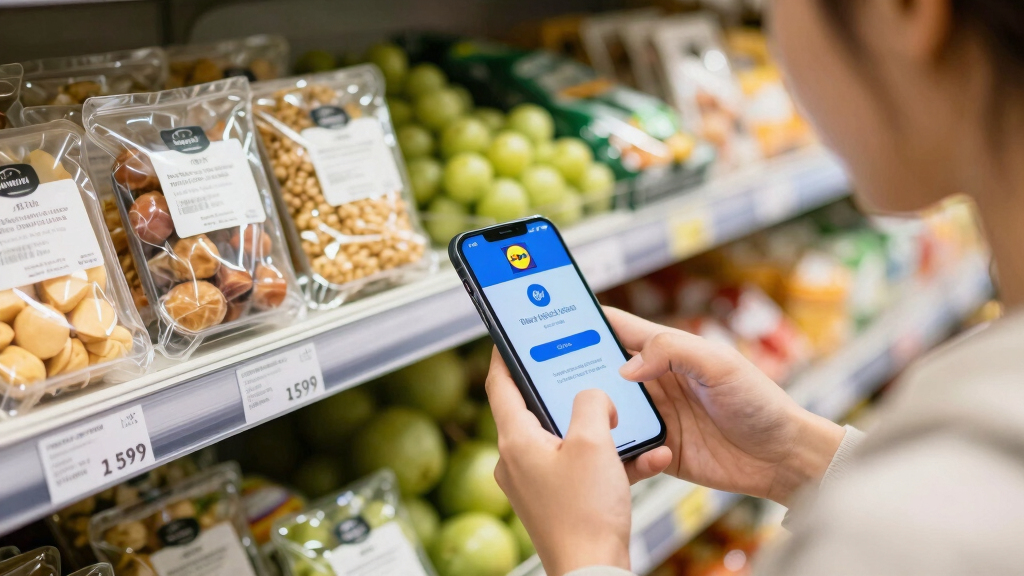
Lidl has announced a recall of specific frozen food items following detection of norovirus contamination. The recall affects products sold across multiple stores. Consumers are urged to check labels and discard affected items.
Lidl has recalled several frozen food products after authorities confirmed the presence of norovirus contamination in some batches, prompting health warnings and consumer advisories. The recall affects products sold across multiple regions, and customers are urged to check their purchases.
The recall was officially announced by Lidl on March 15, 2024, following laboratory tests that detected norovirus in certain frozen food items, primarily in the frozen seafood and vegetable categories. The contamination was identified during routine quality control inspections conducted by food safety authorities, who confirmed the presence of the virus in specific batches.
According to Lidl, the affected products include several brands of frozen seafood and mixed vegetables, with batch numbers and expiry dates listed on their official recall notices. The company has advised customers to discard any products matching the affected batch details and to avoid consumption.
Food safety authorities have emphasized that norovirus can cause gastrointestinal illness, with symptoms such as vomiting, diarrhea, and stomach cramps. While the virus is not typically life-threatening for healthy individuals, vulnerable groups such as the elderly and immunocompromised are at higher risk of severe illness.
Health Risks and Consumer Safety Implications of the Recall
This recall underscores ongoing concerns about food safety in frozen products, especially those susceptible to contamination during processing or storage. The presence of norovirus in food items can lead to outbreaks of illness if consumed, highlighting the importance of proper handling and thorough cooking.
For consumers, the recall serves as a reminder to carefully check product labels, batch numbers, and expiry dates when purchasing frozen foods. It also raises awareness about the need for strict hygiene standards in food production and distribution channels, particularly for ready-to-eat and minimally processed items.
frozen seafood recall safety gloves
As an affiliate, we earn on qualifying purchases.
As an affiliate, we earn on qualifying purchases.
Background on Food Recalls and Norovirus Contamination
Food recalls related to viral contamination have increased in recent years, often linked to lapses in hygiene during processing or distribution. Norovirus is a common cause of foodborne illness worldwide, frequently associated with contaminated shellfish, produce, and ready-to-eat foods.
In Germany, authorities routinely monitor food safety and conduct inspections, leading to recalls when contamination is detected. The current Lidl recall follows previous incidents involving frozen foods contaminated with pathogens, emphasizing ongoing challenges in maintaining safety standards in the frozen food sector.
Prior to this, Lidl has experienced other product recalls, but this marks one of the more significant cases involving viral contamination, with potential health implications for consumers.
“We are committed to ensuring the safety of our customers and have taken immediate action to recall affected products following laboratory confirmation of norovirus contamination.”
— Lidl spokesperson
Extent of Contamination and Affected Product Range
It is not yet clear how widespread the contamination is beyond the initially identified batches. The full list of affected products and distribution channels remains under investigation, and authorities have not specified whether other batches or product lines could be involved.
Further testing is ongoing to determine the full scope of contamination, and Lidl has pledged to update consumers as new information becomes available.
Monitoring, Further Testing, and Consumer Guidance
Food safety authorities and Lidl are continuing to investigate the source of contamination and will conduct additional testing of other batches. Consumers are advised to check the Lidl website and official recall notices regularly for updates.
Lidl plans to enhance their quality control protocols to prevent similar incidents and will communicate any new findings promptly. Customers who purchased affected products are urged to return them to stores for a full refund.
Key Questions
Which products are affected by the Lidl recall?
The recall primarily involves certain batches of frozen seafood and vegetable products, with batch numbers and expiry dates listed on Lidl’s official recall notices. Customers should verify their purchases against these details.
What are the symptoms of norovirus infection?
Symptoms include vomiting, diarrhea, stomach cramps, and nausea. In some cases, symptoms may last for 1-3 days, and vulnerable populations should seek medical attention if symptoms are severe.
How can consumers identify affected products?
Consumers should check the batch numbers and expiry dates printed on affected products against Lidl’s official recall list. Discard any matching items and do not consume them.
Is the contamination dangerous?
Norovirus can cause gastrointestinal illness, but it is usually not life-threatening for healthy individuals. However, vulnerable groups are at higher risk of severe illness, making the recall important for public health.
What steps is Lidl taking to prevent future contamination?
Lidl has announced plans to review and strengthen their quality control procedures, including more rigorous testing and hygiene standards throughout their supply chain.
Source: google-trends
Fall Picks
fall essentials
As an affiliate, we earn on qualifying purchases.