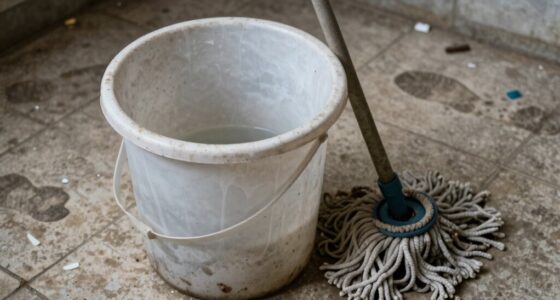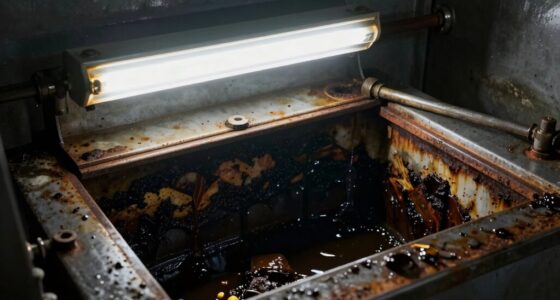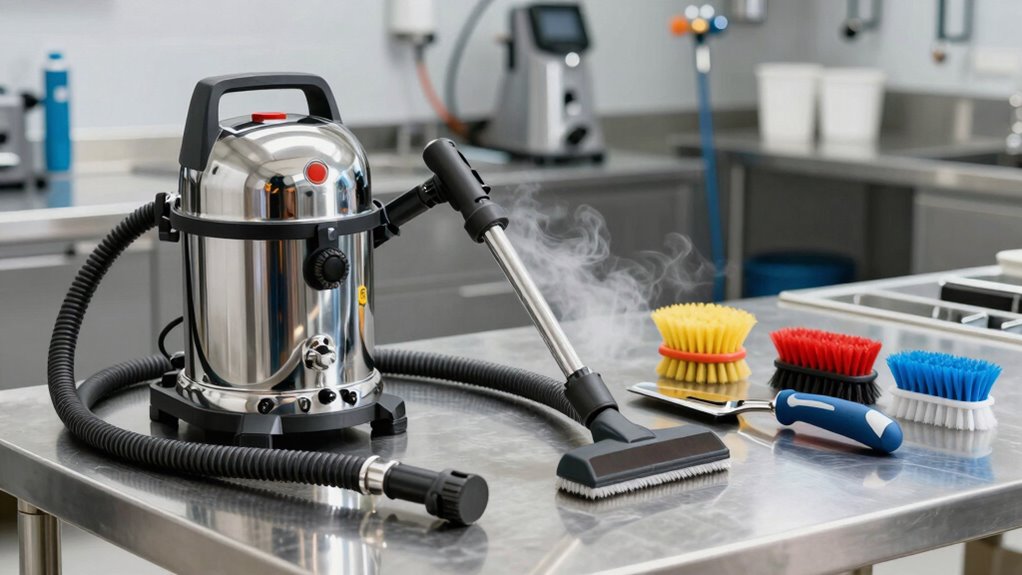

Hood cleaning tools and steam cleaners are key for maintaining a safe, clean kitchen. Manual tools like brushes and scrapers help you reach tight spots and remove baked-on grease, while steam cleaners use high-temperature vapor to deep clean filters and ducts without harsh chemicals. This combination improves airflow, reduces fire risks, and boosts hygiene. If you want to discover how these tools work together for maximum results, keep exploring how they can enhance your cleaning process.

Get kitchen staples and gadgets delivered free with Prime
- Fast, free delivery on millions of items
- Prime Video, Amazon Music and more included
- Member-only deals all year
Key Takeaways
- Hood cleaning tools include brushes, scrapers, and degreasers designed for detailed manual cleaning of exhaust systems.
- Steam cleaners utilize high-temperature steam to effectively loosen grease and dirt without harsh chemicals.
- Combining manual tools with steam cleaning enhances overall cleaning efficiency and thoroughness.
- Proper maintenance, including 3D system modeling and specialized equipment, ensures optimal performance and safety compliance.
- Regular deep cleaning with these tools improves airflow, reduces fire hazards, and maintains a healthy kitchen environment.
Hood cleaning tools and steam cleaners are essential for maintaining high standards of cleanliness, guaranteeing your kitchen remains a safe and efficient environment. When it comes to air quality, these tools play a pivotal role by removing grease, smoke, and other airborne contaminants that can compromise ventilation systems. Clean exhaust hoods prevent the buildup of grease, which not only improves air quality but also reduces fire hazards. Regular maintenance schedules, supported by the use of effective cleaning equipment, are critical in keeping these systems performing at their best. Skipping routine cleanings can lead to greasy buildup, which hampers airflow and diminishes the effectiveness of your ventilation, impacting both air quality and staff safety.
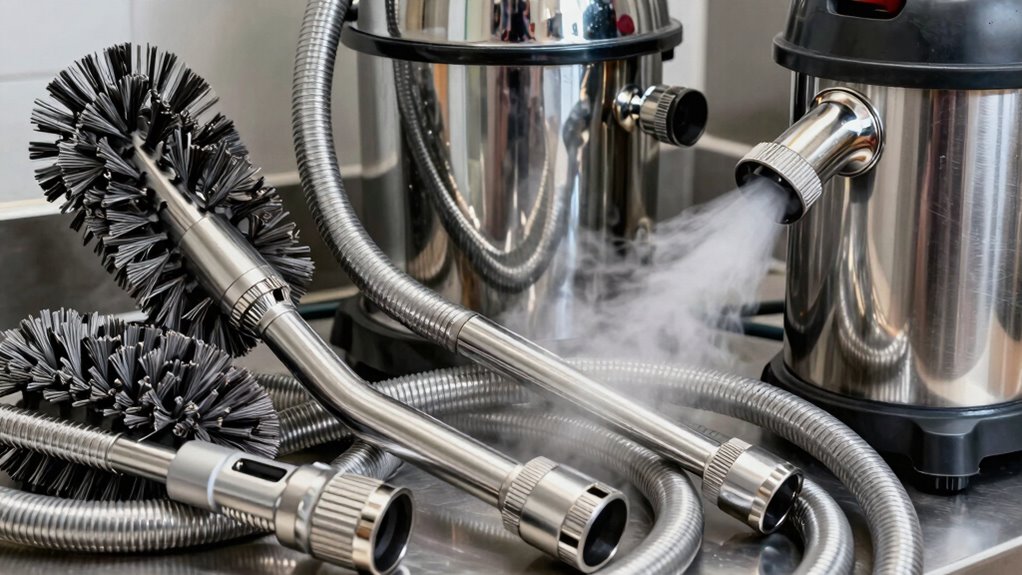
Hood cleaning tools come in various shapes and sizes, designed to reach every corner of your exhaust system. Brushes, scrapers, and degreasers are common manual tools that allow you to scrub away stubborn grease and grime. These tools are particularly useful for detailed cleaning, where manual effort is necessary to loosen and remove baked-on deposits. Steam cleaners, on the other hand, offer a powerful and chemical-free alternative to traditional cleaning methods. By generating high-temperature steam, they loosen grease and dirt without the need for harsh chemicals. This not only makes cleaning more efficient but also ensures a healthier environment for your staff by reducing chemical exposure. Steam cleaning is especially effective for deep-cleaning filters, ducts, and hoods, reaching areas that manual tools might miss. Additionally, understanding the principles of 3D scanning can help in creating accurate models of your exhaust system for maintenance planning. Incorporating the right cleaning techniques can significantly improve the effectiveness of your cleaning routine and prolong the lifespan of your equipment. Moreover, using specialized cleaning equipment ensures thorough removal of grease and grime in hard-to-reach areas, preventing future buildup. Employing proper maintenance practices can further optimize the performance and longevity of your ventilation system.
The combination of these tools allows for a thorough cleaning process, which is crucial for maintaining proper airflow and preventing fire risks. Implementing a scheduled cleaning routine using hood cleaning tools and steam cleaners guarantees that your exhaust system stays in peak condition. This proactive approach helps you stay compliant with safety regulations and minimizes downtime caused by unexpected system failures. Furthermore, consistent cleaning improves air quality by removing airborne grease particles, smoke, and odors, creating a more pleasant environment for both staff and customers.
In essence, investing in the right hood cleaning tools and steam cleaners, along with establishing firm maintenance schedules, ensures your kitchen operates smoothly and safely. Regular, thorough cleaning not only prolongs the lifespan of your equipment but also safeguards the health of everyone in your establishment. When you prioritize proper cleaning practices, you’re effectively controlling grease buildup, enhancing air quality, and maintaining a safe, efficient kitchen.
hood cleaning brushes and scrapers
As an affiliate, we earn on qualifying purchases.
As an affiliate, we earn on qualifying purchases.
Frequently Asked Questions
Can Hood Cleaning Tools Be Used on All Types of Kitchen Hoods?
Yes, hood cleaning tools can be used on most kitchen hoods, but you need to take into account the type of ventilation and the material. For heavy kitchen grease buildup, these tools are effective, aiding in ventilation maintenance. However, delicate or specialized hoods may require specific cleaning methods to avoid damage. Always check manufacturer guidelines to confirm compatibility and effectiveness in maintaining a clean, safe kitchen environment.
How Long Does a Typical Steam Cleaning Session Take?
A typical steam cleaning session usually takes between 30 to 60 minutes, depending on the size and grime buildup of the hood. You’ll find that steam cleaners improve cleaning efficiency because they loosen grease and dirt quickly. To optimize your time management, prep the area beforehand and work systematically. This way, you’ll complete the cleaning efficiently, minimizing downtime and ensuring the hood is thoroughly sanitized in a reasonable timeframe.
Are Steam Cleaners Safe for Delicate Ventilation Systems?
You might wonder if steam cleaners are gentle enough for delicate ventilation systems. Rest assured, with proper technique, steam compatibility and ventilation safety go hand in hand—like a dance where both partners move smoothly. When used correctly, steam cleaners gently melt away grime without damaging sensitive components. Always check manufacturer guidelines and verify your equipment is suitable, so your ventilation system stays safe and sparkling, like a clear, fresh breeze.
What Are the Environmental Benefits of Using Steam Cleaners?
Using steam cleaners offers environmental benefits by supporting eco-friendly practices and chemical-free cleaning. You reduce the need for harsh chemicals, which can harm the environment and your health. Steam cleaning uses only water, minimizing waste and chemical runoff. This method is energy-efficient and sustainable, helping you maintain a clean space while protecting ecosystems. By choosing steam cleaners, you contribute to a healthier planet and safer indoor air quality.
Do Special Training or Certifications Are Required for Professional Hood Cleaning?
Think of your work like a chef mastering a recipe—you need the right skills. Yes, professional hood cleaning often requires certification and specialized training to guarantee safety and compliance. Certification requirements vary by location, but they typically cover proper cleaning techniques and safety protocols. By completing these programs, you gain essential knowledge, boost your credibility, and make certain you’re delivering top-notch, compliant service every time.
Conclusion
With the right hood cleaning tools and steam cleaners, you transform your kitchen into a shining sanctuary, where grease and grime vanish like mist in the morning sun. Picture your stove and vents gleaming, fresh air swirling around you, as every nook and cranny is effortlessly restored to its original sparkle. These powerful tools don’t just clean—they breathe new life into your space, leaving it spotless, safe, and inviting for every meal and moment ahead.
Columbus Day / Indigenous Peoples' Day Picks
long weekend sales
As an affiliate, we earn on qualifying purchases.