
When your kitchen generates extra heat, rooftop HVAC systems kick into action to keep your space comfortable. They handle rapid temperature rises, improve air quality by venting out stale, hot air, and control odors and airborne contaminants. These systems also optimize energy use, reducing your bills, and guarantee consistent performance outdoors. Their durability and flexible design mean you won’t have to constantly worry about weather or space issues. Keep going to discover how these systems adapt to your restaurant’s needs.

Get kitchen staples and gadgets delivered free with Prime
- Fast, free delivery on millions of items
- Prime Video, Amazon Music and more included
- Member-only deals all year
Key Takeaways
- Rooftop HVAC systems enhance heat management, preventing indoor temperature spikes during busy kitchen hours.
- They improve air exchange, removing hot, stale air and introducing fresh, cool air for staff and customers.
- Advanced ventilation controls help reduce kitchen odors and airborne contaminants.
- These systems optimize energy use, maintaining efficiency despite high heat loads.
- They are designed for outdoor durability, ensuring reliable performance during temperature fluctuations.
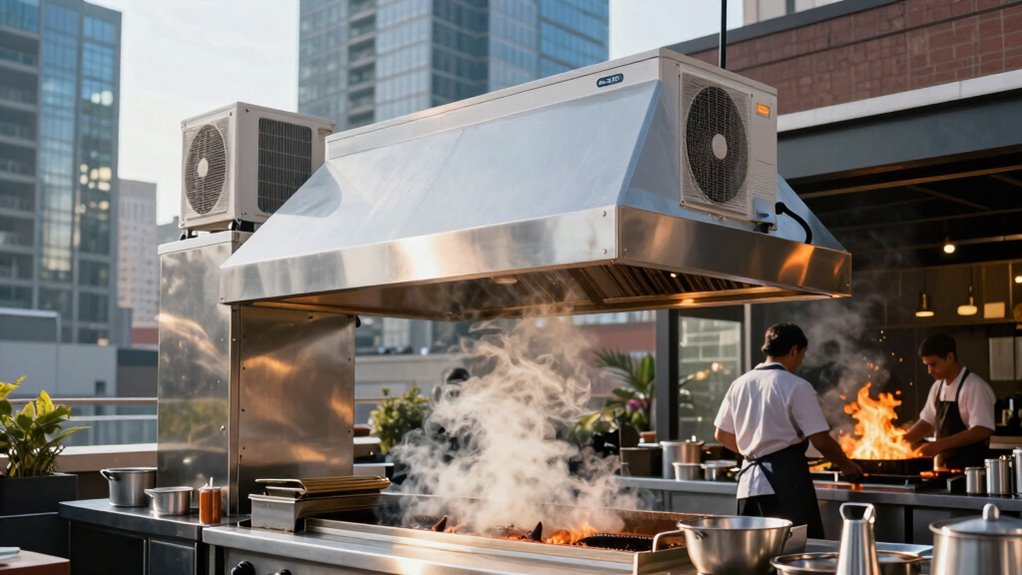
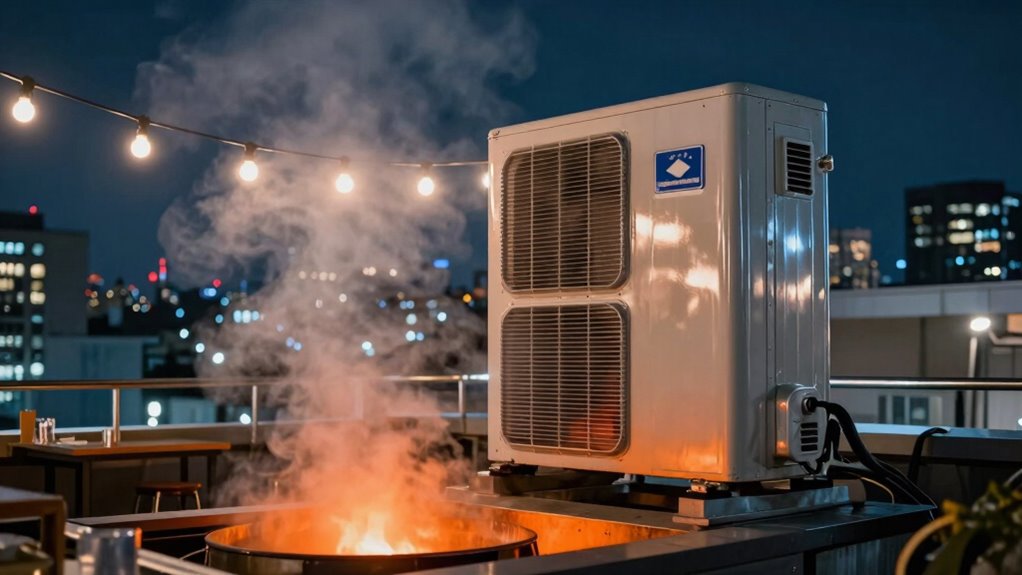
Have you considered how a rooftop HVAC system can transform your restaurant’s environment? When your kitchen gets busy and heats up quickly, managing indoor temperature and air quality becomes a top priority. A rooftop HVAC system is designed to handle these demands efficiently, providing a comfortable atmosphere for both staff and customers. One of the key advantages is its energy efficiency. These units are built to optimize power use, reducing overall energy consumption while maintaining consistent climate control. By installing a rooftop system, you can cut down on energy bills, making your operation more sustainable and cost-effective over time. Additionally, rooftop HVAC units often feature advanced ventilation capabilities, ensuring better air exchange and indoor air quality. Ventilation strategies play a vital role in managing the heat generated in commercial kitchens. When your kitchen throws off a lot of heat, it’s essential to have a ventilation system that clears out hot, stale air and replaces it with fresh, cool air. Rooftop HVAC units are equipped with advanced ventilation capabilities, ensuring proper air exchange and preventing the buildup of heat and humidity. This not only improves air quality but also helps control odors and airborne contaminants, creating a healthier environment for everyone inside. Proper ventilation also reduces the workload on the system, as it doesn’t have to work as hard to cool the space, further enhancing energy efficiency. Furthermore, these systems are designed to operate reliably under outdoor conditions, ensuring consistent performance in various weather scenarios. In addition to temperature control and ventilation, rooftop HVAC systems are designed to withstand the outdoor elements, making them a robust choice for busy restaurants. They can be customized with different configurations and accessories to meet your specific needs, whether you’re running a small cafe or a large dining hall. The strategic placement on the roof also frees up valuable space inside, allowing for more flexible interior layouts and easier maintenance access. Incorporating climate control solutions can further optimize your restaurant’s comfort and operational efficiency. A well-designed rooftop HVAC system can also contribute to improved energy management through smart controls, helping you monitor and adjust settings remotely for maximum efficiency. Understanding the importance of system durability can help ensure your investment remains reliable over many years.
rooftop HVAC system for restaurants
As an affiliate, we earn on qualifying purchases.
As an affiliate, we earn on qualifying purchases.
Frequently Asked Questions
How Does Kitchen Heat Impact Rooftop HVAC System Efficiency?
Kitchen heat can considerably reduce your rooftop HVAC system’s efficiency by increasing the cooling load. When your kitchen produces more heat, the system has to work harder to maintain comfortable temperatures, consuming more energy. This extra effort strains your equipment, possibly leading to faster wear and higher utility bills. To keep efficiency high, consider proper ventilation and exhaust systems that help manage kitchen heat and reduce the burden on your rooftop HVAC.
What Safety Measures Are Needed for Rooftop HVAC Installations?
Imagine the rooftop humming with life, but safety comes first. You need fire protection systems to prevent heat from igniting nearby materials, and guarantee the HVAC units are securely anchored to maintain structural integrity against gusts or vibrations. Regular inspections, proper grounding, and corrosion-resistant components safeguard both your staff and patrons. These measures create a secure environment, allowing your restaurant to operate smoothly and safely even during the hottest kitchen days.
How Do Weather Conditions Affect Rooftop HVAC Performance?
Weather conditions greatly impact your rooftop HVAC’s performance. Solar shading helps prevent excessive heat gain from direct sunlight, keeping systems efficient. Wind disruption can strain the units, reducing airflow and causing energy waste. You should consider installing windbreaks and shading structures to optimize performance. Regular maintenance and weather-resistant equipment also guarantee your HVAC runs smoothly, even during extreme weather, keeping your restaurant comfortable and energy-efficient.
What Maintenance Is Required for Rooftop HVAC in Restaurants?
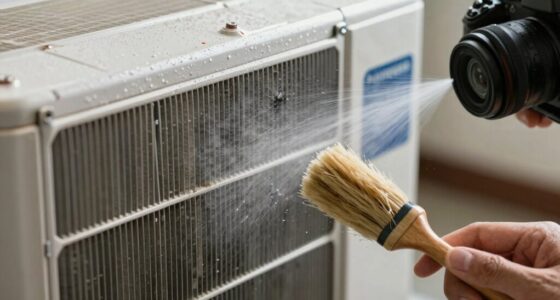
You’ve got to stay on top of rooftop HVAC maintenance, or it’ll sulk in silence. Regularly check for dirt buildup, which clogs the system faster than your chef’s impatience. Don’t forget to replace filters periodically—it’s the secret to keeping airflow clean and equipment happy. Neglect these simple tasks, and your system will groan under the heat, leaving your restaurant hot under the collar—literally.
Can Rooftop HVAC Systems Handle Sudden Heat Spikes From Cooking?
Rooftop HVAC systems can handle sudden heat spikes from cooking if they’re properly maintained and designed for such loads. You should guarantee the system’s capacity matches your cooking temperature and ventilation balance needs, preventing overheating. Regular inspections and adjustments help it respond quickly to heat surges. When kitchens throw heat unexpectedly, a well-maintained rooftop HVAC keeps the environment comfortable, maintaining airflow and temperature control efficiently.
Conclusion
As you navigate the challenges of managing restaurant heat, remember that rooftop HVAC systems are like the steady hand guiding a ship through rough waters. When the kitchen heats up unexpectedly, these systems adapt, keeping your guests comfortable and your staff focused. Think of it as a dance — each component working in harmony to maintain balance. With the right setup, you can turn a sizzling kitchen into a cool oasis, no matter how hot it gets.
Halloween Picks
halloween
As an affiliate, we earn on qualifying purchases.