
TL;DR

Get kitchen staples and gadgets delivered free with Prime
- Fast, free delivery on millions of items
- Prime Video, Amazon Music and more included
- Member-only deals all year
A former Italian restaurant worker shares the essential tools needed for perfectly cooked pasta. The list includes specific pots, utensils, and techniques crucial for achieving restaurant-quality results.
A former worker at an Italian restaurant has outlined the key tools necessary to cook pasta perfectly every time, emphasizing that proper equipment makes a significant difference in achieving authentic restaurant-quality results. This insight is valuable for home cooks seeking to improve their pasta dishes and for culinary enthusiasts interested in professional techniques.
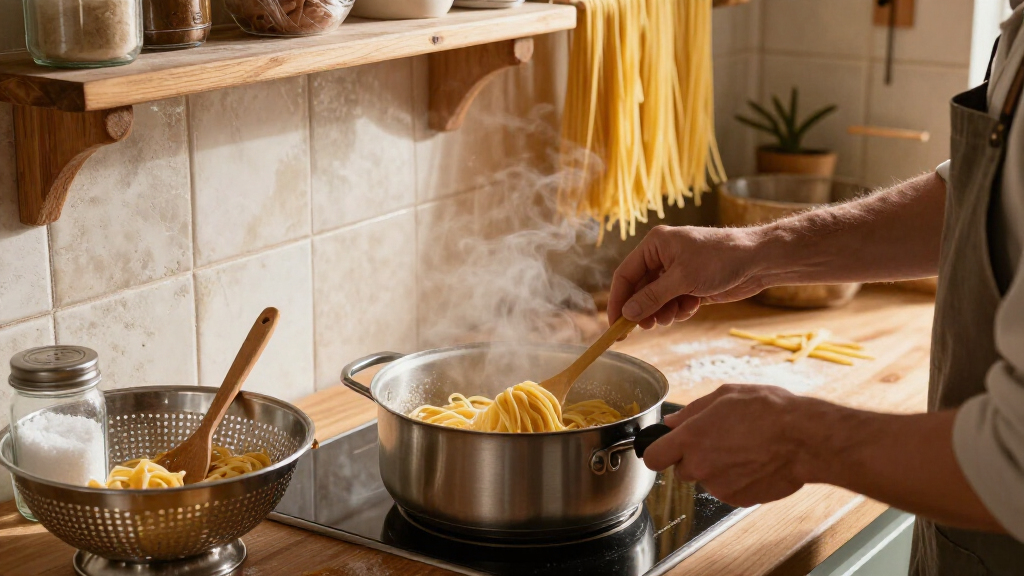
The former restaurant employee highlights several essential tools for cooking pasta to perfection. Foremost among these is a large, high-quality pot, ideally made of stainless steel or aluminum, with a capacity of at least 4 to 6 quarts to allow ample water for boiling. They stress the importance of using plenty of water—roughly 4 to 6 quarts per pound of pasta—and salting it generously, aiming for a salty flavor comparable to seawater. This ensures the pasta absorbs enough flavor during cooking. A reliable, large slotted spoon or pasta fork is also crucial for handling the pasta without breaking it or losing pieces in the water. The worker recommends a digital or analog thermometer to monitor water temperature, especially when boiling delicate pasta, to ensure it reaches a consistent, rolling boil before adding the pasta. Additionally, a timer is essential for tracking cooking time precisely, as overcooking or undercooking can ruin the dish. Once the pasta is cooked, a colander or pasta strainer is necessary for draining excess water efficiently. The worker advises against rinsing pasta after draining, as this washes away surface starches that help sauces adhere. Instead, they recommend reserving a cup of pasta water, which can be used to adjust the consistency of sauces. Finally, a sturdy pair of tongs or a pasta fork helps in mixing the pasta with sauces without breaking the noodles, ensuring even coating and presentation.Why Proper Tools Make a Difference in Pasta Quality
Using the right tools significantly improves the quality of homemade pasta dishes, bringing them closer to restaurant standards. Proper equipment ensures even cooking, better handling, and optimal flavor absorption, which are critical for achieving authentic Italian pasta. For home cooks, investing in quality tools can elevate everyday meals and reduce frustration caused by improper techniques or equipment failures. This knowledge democratizes professional culinary practices, making restaurant-level pasta accessible to everyone.
large stainless steel pasta pot 6 quart
As an affiliate, we earn on qualifying purchases.
As an affiliate, we earn on qualifying purchases.
Professional Techniques Rooted in Traditional Italian Cooking
In traditional Italian cuisine, pasta is treated with respect and precision, often involving specific tools to ensure perfect results. Restaurants typically use large, heavy-duty pots, high-quality utensils, and precise timing to achieve al dente pasta. These practices have been passed down through generations and are now being shared with home cooks through insights from industry professionals. The emphasis on proper equipment reflects a broader culinary trend toward professional-grade results in everyday cooking.
“A large, high-quality pot and plenty of salted water are the foundation for perfectly cooked pasta. The right tools make all the difference.”
— Former Italian restaurant worker
Unclear Aspects of Equipment Choices and Techniques
While the tools listed are widely recommended, it remains unclear whether specific brands or models offer measurable advantages over generic options. Additionally, some home cooks may question the necessity of certain tools, such as thermometers, for everyday cooking. The effectiveness of different types of pasta utensils in preventing breakage or ensuring even coating also requires further testing in various kitchen settings.
Next Steps for Home Cooks and Culinary Educators
Further guidance is expected to include detailed product recommendations and step-by-step tutorials on using these tools effectively. Culinary educators and food bloggers may incorporate these insights into cooking classes and online content to help a broader audience master pasta preparation. Additionally, manufacturers might develop specialized tools tailored for home use, inspired by professional-grade equipment.
Key Questions
What is the most important tool for cooking pasta perfectly?
The most important tool is a large, high-quality pot with enough capacity to hold plenty of water, ensuring even cooking and preventing sticking.
Do I really need a thermometer to cook pasta at home?
While not essential for casual cooking, a thermometer helps ensure the water reaches and maintains a consistent, rolling boil, which can improve results, especially for delicate pasta.
Should I rinse my pasta after draining?
No, rinsing washes away surface starches that help sauces adhere. Instead, reserve some pasta water to adjust sauce consistency.
Are specific brands of pots or utensils better?
While high-quality brands may offer durability, the key is a large, sturdy pot and reliable utensils. Brand choice depends on budget and preference.
Can I cook restaurant-quality pasta without professional tools?
Yes, with the right techniques and basic equipment like a large pot, salted water, and proper handling tools, home cooks can achieve excellent results.
Source: rss
Fall Picks
fall essentials
As an affiliate, we earn on qualifying purchases.