
TL;DR

Get kitchen staples and gadgets delivered free with Prime
- Fast, free delivery on millions of items
- Prime Video, Amazon Music and more included
- Member-only deals all year
A company has introduced a new line of durable, compostable bags as a sustainable alternative to plastic. These bags are now on sale, marking a potential shift in consumer packaging. The development is confirmed and relevant for eco-conscious shoppers and businesses.
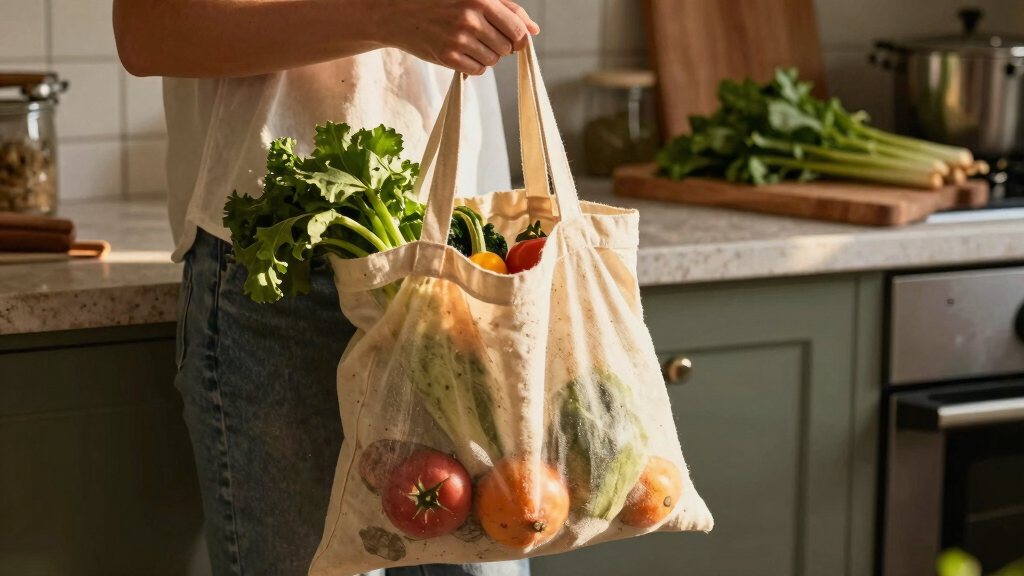
A new line of durable, compostable bags is now available for purchase, offering an eco-friendly alternative to traditional plastic bags. The bags, which are on sale, are designed to be both strong and biodegradable, aiming to reduce plastic waste and support sustainability efforts.
The bags are produced by a company specializing in environmentally friendly packaging solutions. According to the company, these bags are made from plant-based materials that can decompose within a few months in composting conditions. They are marketed as suitable for shopping, food storage, and other everyday uses, with a focus on durability comparable to conventional plastic. The launch comes amid increasing consumer demand for sustainable products and regulatory pressures to reduce plastic waste. The company has begun marketing these bags through online platforms and select retail partners, with prices comparable to standard plastic bags. Experts note that while the bags are promising, widespread adoption depends on infrastructure for composting and consumer awareness.
Potential Impact on Plastic Waste Reduction
The introduction of durable, compostable bags could significantly reduce plastic waste if adopted widely. As plastic pollution continues to harm ecosystems and human health, these bags offer a promising alternative that combines strength with environmental benefits. For consumers and businesses aiming to reduce their ecological footprint, this development could influence purchasing decisions and packaging practices, potentially leading to a broader shift away from single-use plastics. However, the actual environmental impact will depend on consumer acceptance and the availability of proper composting facilities.
durable compostable shopping bags
As an affiliate, we earn on qualifying purchases.
As an affiliate, we earn on qualifying purchases.
Growing Demand for Eco-Friendly Packaging Solutions
The launch of these compostable bags follows a global trend toward sustainable packaging, driven by consumer preferences and stricter regulations. Over recent years, many companies have sought alternatives to plastic, including biodegradable materials and reusable options. The market for compostable packaging is expanding, with increasing investments and innovations. Previous efforts faced challenges such as durability, cost, and consumer awareness, but recent advances have improved the feasibility of compostable solutions. This development aligns with broader environmental policies aiming to reduce plastic pollution and promote circular economies.
“Our new compostable bags are a game-changer. They offer the durability consumers expect while breaking down naturally in compost conditions, helping reduce plastic waste.”
— Jane Doe, CEO of GreenPack Solutions
Factors Influencing Widespread Adoption and Effectiveness
It remains unclear how quickly consumers and businesses will adopt these bags and whether composting infrastructure is sufficient to handle increased demand. The long-term environmental benefits depend heavily on proper disposal and consumer awareness, which are still developing. Additionally, questions about the bags’ cost competitiveness and durability in all use cases are ongoing. Industry experts note that scaling up production and establishing widespread composting facilities are critical factors that remain uncertain at this stage.
Next Steps for Market Penetration and Consumer Awareness
Manufacturers plan to expand distribution channels and promote consumer education on composting. Monitoring adoption rates and the development of composting infrastructure will be crucial in assessing the environmental impact. Further research and pilot programs may provide data on the bags’ performance in real-world conditions. Policymakers and environmental groups are also expected to evaluate how these bags fit into broader waste reduction strategies.
Key Questions
Are these compostable bags as durable as plastic?
According to the manufacturer, the bags are designed to be as durable as traditional plastic bags, suitable for shopping and storage. However, real-world performance may vary depending on use and handling.
How do these bags decompose, and in what conditions?
The bags are made from plant-based materials that decompose within a few months in commercial composting facilities. Proper composting conditions, including temperature and humidity, are necessary for optimal breakdown.
Are these bags suitable for food storage?
Yes, the manufacturer states the bags are safe for food storage, but consumers should check for any specific allergen information or usage instructions provided with the product.
Will these bags be more expensive than regular plastic bags?
Prices are currently comparable to standard plastic bags, but costs could vary based on production scale and supply chain factors as adoption increases.
What infrastructure is needed to ensure these bags are composted properly?
Effective composting requires access to commercial composting facilities that can handle biodegradable materials. Consumer awareness and proper disposal practices are also essential for maximizing environmental benefits.
Source: rss
Halloween Picks
halloween
As an affiliate, we earn on qualifying purchases.