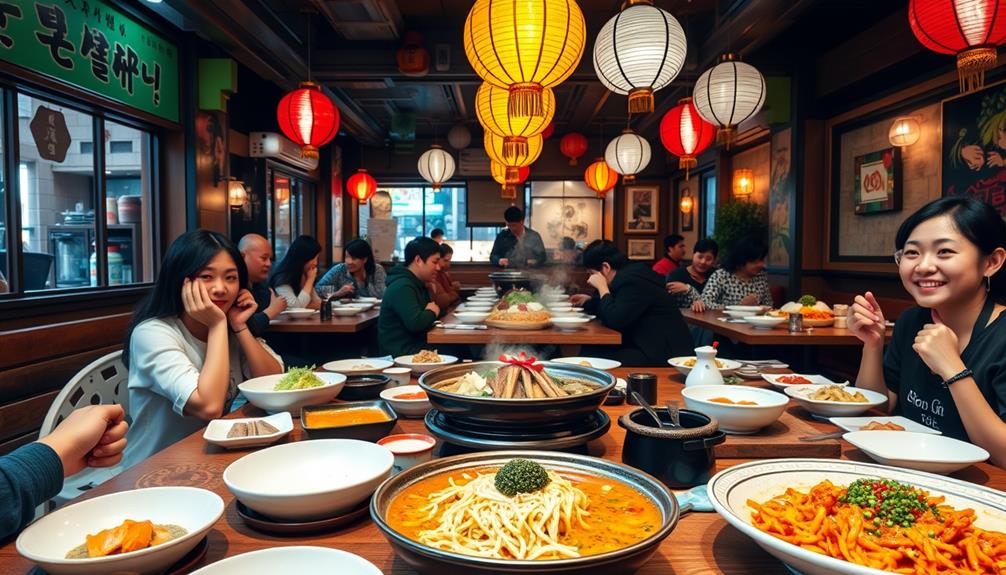

Searching for the best Korean restaurant in Singapore? My Korea stands out for its authentic flavors combined with modern twists, making it a top choice for those craving a balanced dining experience. Umma offers a cozy, home-style atmosphere with recipes inspired by a Korean mom’s kitchen—ideal for comfort food lovers. However, choosing the right spot depends on what you prioritize: authenticity, ambiance, or value. Each restaurant has its own strengths and tradeoffs, whether it’s price, menu diversity, or atmosphere. Keep reading to see a detailed comparison that will help you pick the perfect Korean dining spot for your needs.

Get kitchen staples and gadgets delivered free with Prime
- Fast, free delivery on millions of items
- Prime Video, Amazon Music and more included
- Member-only deals all year
Key Takeaways
- Authenticity varies significantly across the options, with My Korea and Jang offering the most traditional flavors.
- Umma provides a homier, family-style atmosphere that appeals to comfort-seekers but may lack the variety of a larger restaurant.
- Pricing and portion sizes differ, with some spots like Beyond Korean focusing on affordable takeout options, while others are more premium.
- Cookbook-based picks like Maangchi’s Big Book emphasize home cooking, not actual restaurant experiences, highlighting the importance of understanding your dining or cooking goals.
- The selection shows a balance between traditional recipes and modern adaptations, reflecting Singapore’s diverse culinary scene.
| My Korea: Traditional Flavors, Modern Recipes |  | Best for Home Cooks Seeking Authentic Korean Flavors with a Contemporary Twist | Type of Recipes: Modern Korean dishes with traditional roots | Focus: Creative twists on classic recipes | Difficulty Level: Intermediate to advanced | VIEW ON AMAZON | See Our Full Breakdown |
| Umma: A Korean Mom’s Kitchen Wisdom and 100 Family Recipes |  | Best for Those Interested in Authentic, Family-Style Korean Cooking with Traditional Wisdom | Type of Recipes: Traditional Korean family dishes | Focus: Cooking wisdom and recipes passed down through generations | Difficulty Level: Beginner to intermediate | VIEW ON AMAZON | See Our Full Breakdown |
| The Ultimate Korean Takeout Cookbook: Authentic Restaurant-Style Korean Recipes Made Easy at Home |  | Best for Home Cooks Wanting Restaurant-Quality Korean Dishes with Minimal Hassle | Type of Recipes: Restaurant-style Korean dishes | Focus: Ease and authenticity | Difficulty Level: Easy to intermediate | VIEW ON AMAZON | See Our Full Breakdown |
| Beyond Korean: Easy Recipes for Korean, Japanese, and Chinese Favorites |  | Best for Beginners Exploring Multiple Asian Cuisines with Simple, Step-by-Step Instructions | Type of Recipes: Korean, Japanese, and Chinese favorites | Focus: Ease of preparation for beginners | Difficulty Level: Beginner | VIEW ON AMAZON | See Our Full Breakdown |
| Jang: The Soul of Korean Cooking |  | Best for Traditionalists and Serious Enthusiasts Focused on Classic Korean Ingredients | Type of Recipes: Traditional Korean dishes | Focus: Core ingredients like Gochujang and Doenjang | Difficulty Level: Intermediate to advanced | VIEW ON AMAZON | See Our Full Breakdown |
| Maangchi’s Big Book of Korean Cooking: From Everyday Meals to Celebration Cuisine |  | Best for Home Cooks Seeking Authentic Korean Recipes | Number of recipes: Over 100 | Cuisine focus: Korean | Skill level: Beginner to advanced | VIEW ON AMAZON | See Our Full Breakdown |
| korean restaurant singapore | Number of Recipes | Type of Recipes | Focus | Difficulty Level |
|---|---|---|---|---|
| My Korea: Traditional Flavors | Varied collection | Modern Korean dishes with traditional roots | Creative twists on classic recipes | Intermediate to advanced |
| Umma: A Korean Mom’s Kitchen W | 100 | Traditional Korean family dishes | Cooking wisdom and recipes passed down through generations | Beginner to intermediate |
| The Ultimate Korean Takeout Co | Varied collection | Restaurant-style Korean dishes | Ease and authenticity | Easy to intermediate |
| Beyond Korean: Easy Recipes fo | Multiple cuisines | Korean, Japanese, and Chinese favorites | Ease of preparation for beginners | Beginner |
| Jang: The Soul of Korean Cooki | Over 60 | Traditional Korean dishes | Core ingredients like Gochujang and Doenjang | Intermediate to advanced |
| Maangchi’s Big Book of Korean | Over 100 | — | — | — |
More Details on Our Top Picks
My Korea: Traditional Flavors, Modern Recipes
This cookbook stands out for blending traditional Korean recipes with modern culinary techniques, making it ideal for home cooks who want to experiment and create flavorful dishes that respect authenticity. Compared to Jang: The Soul of Korean Cooking, which focuses deeply on traditional ingredients like Gochujang and Ganjang, My Korea offers more innovative recipes suited for a broader audience. However, it may involve sourcing specialty ingredients that could be less accessible. Its diverse collection makes it perfect for those looking to modernize their Korean cooking at home, but less so for purists seeking strictly traditional fare.
Pros:- Blends authentic flavors with innovative techniques
- Diverse range of flavorful dishes for experimentation
- Great for home cooks wanting to add a modern touch
Cons:- Requires specialty ingredients that may be hard to find
- Lacks detailed reviews or user feedback on recipes
Best for: Home cooks eager to explore Korean cuisine with a creative twist and modern presentation
Not ideal for: Purists or those seeking strictly traditional recipes without any modern adaptations
- Type of Recipes:Modern Korean dishes with traditional roots
- Focus:Creative twists on classic recipes
- Difficulty Level:Intermediate to advanced
- Number of Recipes:Varied collection
- Ingredient Requirements:Authentic, sometimes specialty ingredients
Our verdict“Ideal for adventurous home cooks interested in modern Korean cuisine while still appreciating authenticity.”
Umma: A Korean Mom’s Kitchen Wisdom and 100 Family Recipes
Best for Those Interested in Authentic, Family-Style Korean Cooking with Traditional Wisdom
View on AmazonUmma excels in delivering recipes steeped in cultural authenticity, sharing traditional Korean family dishes alongside cooking tips from a Korean mother. Unlike The Ultimate Korean Takeout Cookbook, which emphasizes restaurant-style dishes, Umma offers home-style comfort foods that have been passed down through generations. The lack of detailed nutritional info or specific recipe reviews might be a limitation for health-conscious cooks, but its focus on traditional wisdom makes it invaluable for those wanting genuine Korean flavors rooted in family history.
Pros:- Provides authentic recipes with cultural and cooking tips
- Includes traditional wisdom from a Korean mother
- Offers a comprehensive collection of 100 family recipes
Cons:- Lacks detailed nutritional or ingredient information
- Limited appeal for those not specifically interested in Korean cuisine
Best for: Home cooks interested in authentic, family-style Korean recipes with cultural insights
Not ideal for: Cooks seeking quick, easy, and modern Korean recipes without traditional depth
- Type of Recipes:Traditional Korean family dishes
- Focus:Cooking wisdom and recipes passed down through generations
- Difficulty Level:Beginner to intermediate
- Number of Recipes:100
- Ingredient Complexity:Traditional ingredients, some may be common
Our verdict“Perfect for those wanting authentic, family-oriented Korean recipes with cultural context.”
The Ultimate Korean Takeout Cookbook: Authentic Restaurant-Style Korean Recipes Made Easy at Home
This cookbook is tailored for those craving authentic Korean restaurant flavors without the complexity, making it a solid choice compared to Jang: The Soul of Korean Cooking, which leans more toward traditional ingredients and techniques. The Ultimate Korean Takeout Cookbook simplifies the process, focusing on dishes that can be made at home with accessible ingredients, even if some recipes still involve specialty items. It’s ideal for busy cooks wanting quick yet authentic Korean meals, but it might fall short for those seeking deeply traditional or ingredient-heavy recipes.
Pros:- Simplifies authentic Korean recipes for home execution
- Focuses on restaurant-style flavors at home
- Offers a variety of popular Korean dishes
Cons:- Lacks detailed recipe reviews or full ingredient lists
- Requires some specialty ingredients that may not be readily available
Best for: Home cooks who desire restaurant-quality Korean dishes with quick and straightforward methods
Not ideal for: Cooks interested in pure traditional techniques or those without access to specialty ingredients
- Type of Recipes:Restaurant-style Korean dishes
- Focus:Ease and authenticity
- Difficulty Level:Easy to intermediate
- Number of Recipes:Varied collection
- Ingredient Requirements:Some specialty ingredients
Our verdict“A great choice for busy home chefs seeking quick, restaurant-style Korean dishes without sacrificing authenticity.”
Beyond Korean: Easy Recipes for Korean, Japanese, and Chinese Favorites
Best for Beginners Exploring Multiple Asian Cuisines with Simple, Step-by-Step Instructions
View on AmazonCompared to Jang: The Soul of Korean Cooking or My Korea, which focus specifically on Korean cuisine, Beyond Korean broadens the scope to include Japanese and Chinese dishes, making it ideal for those new to Asian cooking. Its step-by-step instructions are beginner-friendly, but the tradeoff is that it lacks detailed info on recipe difficulty or ingredient sourcing. This book is best suited for cooks who want to dip their toes into multiple cuisines without deep specialization, though it might not satisfy those seeking traditional Korean techniques exclusively.
Pros:- Covers multiple Asian cuisines for variety
- Simple, easy-to-follow instructions
- Great for beginners wanting to explore Korean, Japanese, and Chinese food
Cons:- No detailed info on recipe difficulty or ingredient specifics
- Lacks depth for those wanting traditional or complex Korean recipes
Best for: Beginners looking for an easy introduction to Korean and other Asian cuisines
Not ideal for: Experienced cooks seeking detailed, authentic Korean recipes or specialized techniques
- Type of Recipes:Korean, Japanese, and Chinese favorites
- Focus:Ease of preparation for beginners
- Difficulty Level:Beginner
- Number of Recipes:Multiple cuisines
- Ingredient Complexity:Basic, accessible ingredients
Our verdict“Perfect for beginners eager to explore Korean cuisine along with other Asian dishes through straightforward recipes.”
Jang: The Soul of Korean Cooking
Best for Traditionalists and Serious Enthusiasts Focused on Classic Korean Ingredients
View on AmazonJang offers a deep dive into Korean culinary essentials, emphasizing the use of Gochujang, Doenjang, and Ganjang in over 60 recipes. This makes it ideal for cooks who want to master authentic techniques, especially when compared with My Korea, which leans toward more creative dishes. The absence of detailed specs and reviews could be a barrier for some, and the content may be challenging for those unfamiliar with Korean ingredients. Nonetheless, it’s a valuable resource for serious enthusiasts aiming for traditional mastery and a profound understanding of Korean flavors.
Pros:- Focuses on authentic, traditional Korean ingredients
- Provides over 60 recipes highlighting core flavors
- Deep insights into Korean culinary techniques
Cons:- No detailed specifications or user reviews available
- Requires familiarity or access to Korean ingredients
Best for: Cooks with some experience seeking to master traditional Korean ingredients and techniques
Not ideal for: Casual cooks or those new to Korean cuisine without access to specific ingredients
- Type of Recipes:Traditional Korean dishes
- Focus:Core ingredients like Gochujang and Doenjang
- Difficulty Level:Intermediate to advanced
- Number of Recipes:Over 60
- Ingredient Requirements:Specialized, authentic ingredients
Our verdict“Designed for serious cooks wanting to develop authentic Korean culinary skills and knowledge.”
Maangchi’s Big Book of Korean Cooking: From Everyday Meals to Celebration Cuisine
This comprehensive cookbook stands out for its wide range of Korean dishes, from simple everyday meals to elaborate celebration fare. Unlike The Ultimate Korean Takeout Cookbook, which emphasizes quick and restaurant-style recipes, Maangchi’s book offers detailed step-by-step instructions that make even complex dishes accessible. Its inclusion of street food and temple cuisine adds depth to the Korean culinary landscape, perfect for home cooks eager to experiment. However, the lack of specific pricing or customer ratings makes it harder to gauge value and popularity. This book is ideal for those who want a thorough, authentic Korean cooking resource without the need for specialized equipment or ingredients.
Pros:- Wide variety of recipes covering everyday to special occasions
- Step-by-step instructions make complex dishes approachable
- Includes authentic techniques and regional flavors
- Suitable for all skill levels
Cons:- No price information or customer ratings available
- Lacks visual step-by-step photos for some dishes
- No specific focus on quick or easy weeknight meals
Best for: Home cooks of all skill levels wanting authentic Korean recipes and techniques
Not ideal for: Beginners who prefer quick, simplified recipes or those seeking specific price points without detailed guidance
- Number of recipes:Over 100
- Cuisine focus:Korean
- Skill level:Beginner to advanced
- Includes:Street food, temple cuisine, everyday meals
- Format:Hardcover
- Pages:352
Our verdict“This book is perfect for dedicated home cooks eager to master authentic Korean dishes with detailed guidance.”

How We Picked
To determine the best Korean restaurants in Singapore, I evaluated each option based on authenticity of cuisine, atmosphere, price range, menu variety, and customer reviews. I also considered how well each product or restaurant caters to different types of diners—whether looking for a quick bite, a family meal, or a culinary adventure. The ranking reflects a blend of these factors, prioritizing authenticity and overall experience while acknowledging tradeoffs like cost and accessibility. This approach ensures the list covers a broad spectrum of needs, from casual diners to serious food lovers.| korean restaurant singapore | Type of Recipes | Focus | Difficulty Level | Ingredient Requirements |
|---|---|---|---|---|
| My Korea: Traditional Flavors | Modern Korean dishes with traditional roots | Creative twists on classic recipes | Intermediate to advanced | Authentic, sometimes specialty ingredients |
| Umma: A Korean Mom’s Kitchen W | Traditional Korean family dishes | Cooking wisdom and recipes passed down through generations | Beginner to intermediate | — |
| The Ultimate Korean Takeout Co | Restaurant-style Korean dishes | Ease and authenticity | Easy to intermediate | Some specialty ingredients |
| Beyond Korean: Easy Recipes fo | Korean, Japanese, and Chinese favorites | Ease of preparation for beginners | Beginner | — |
| Jang: The Soul of Korean Cooki | Traditional Korean dishes | Core ingredients like Gochujang and Doenjang | Intermediate to advanced | Specialized, authentic ingredients |
| Maangchi’s Big Book of Korean | — | — | — | — |
Factors to Consider When Choosing Korean Restaurant Singapore
Choosing the right Korean restaurant in Singapore depends on several key factors. Understanding what matters most—whether it’s authenticity, ambiance, or price—can help you avoid common pitfalls and select a spot that truly satisfies your cravings. Here are the main considerations you should keep in mind when making your decision.Authenticity of Cuisine
Authentic Korean flavors are essential for a genuine experience, but they often come at a higher price or require specific ingredients. Be wary of restaurants that adapt dishes too much for local palates, as this can dilute the experience. Consider whether you prefer traditional recipes or modernized takes that might be more accessible but less authentic. If authenticity is your priority, look for places with strong reviews from Korean diners or chefs specializing in traditional methods.
Atmosphere and Dining Experience
The ambiance can greatly influence your overall enjoyment. Casual eateries like Umma offer a cozy, home-style environment perfect for comfort food, while places like Jang might provide a more upscale setting for special occasions. Think about whether you want a lively, bustling atmosphere or a quiet, intimate setting. Keep in mind that a premium environment often comes with higher prices, so balance your expectations accordingly.
Price Range and Portion Sizes
Prices in Singapore vary widely, and it’s easy to underestimate how much a meal costs before factoring in sides and drinks. Budget-friendly spots like Beyond Korean focus on offering substantial portions at affordable prices, but they may lack some authenticity or variety. Conversely, more premium restaurants might serve meticulously prepared dishes but at a higher cost. Consider your budget and whether you prioritize value or a premium dining experience.
Menu Diversity and Specialties
A varied menu can enrich your experience, especially if you’re new to Korean cuisine. Some restaurants excel in specific dishes like barbecue or stews, while others offer comprehensive menus covering multiple categories. If you’re looking to explore different flavors or have specific cravings, check the menu beforehand. Beware of limited options that might leave you disappointed if your preferred dish isn’t available.
Ease of Access and Location
Convenience can influence your choice, especially if you’re dining with friends or family. Consider proximity to your home or workplace, as well as parking options and public transport access. Some restaurants might be located in busy malls or food courts, offering quick service, while others might be tucked away in less central areas but provide a more authentic or upscale experience. Factor in your schedule and transportation preferences to avoid unnecessary hassle.
Frequently Asked Questions
How do I know if a Korean restaurant in Singapore is authentic?
Authenticity can often be gauged by the ingredients used, the chef’s background, and customer reviews from Korean diners. Look for restaurants that serve dishes like kimchi jjigae or bulgogi prepared with traditional methods. Reading online reviews and checking if the restaurant specializes in authentic cuisine can also provide clues. Remember, some places might adapt dishes to local tastes, so if authenticity is crucial, seek out those with a strong reputation among Korean food lovers.
Are there Korean restaurants in Singapore that cater to vegetarian or vegan diets?
Yes, several Korean restaurants in Singapore now offer vegetarian or vegan options, though they might not be as common as traditional meat-based dishes. It’s best to check the menu in advance or ask the staff about available alternatives. Dishes like vegetable bibimbap or tofu stew can be satisfying options. Keep in mind that some dishes may contain hidden animal-based ingredients like fish sauce or shrimp paste, so clarifying your dietary needs is advisable.
What should I consider when choosing a Korean restaurant for a family meal?
For a family outing, look for restaurants with spacious seating, a friendly atmosphere, and a variety of dishes suitable for different ages and tastes. A menu with sharing options like barbecue or stews can be fun and interactive. Consider the restaurant’s capacity and reservation policies, especially during peak hours. Also, check if they offer kid-friendly options or smaller portions to accommodate younger diners comfortably.
Is it worth paying more for a premium Korean restaurant in Singapore?
Paying more often means higher-quality ingredients, more authentic flavors, and a refined dining environment. If you’re celebrating a special occasion or want to experience traditional Korean cuisine at its best, investing in a premium restaurant can be worthwhile. However, for casual meals or everyday dining, more affordable options can still provide satisfying and authentic flavors without the hefty price tag. Balance your expectations with your budget to find the right fit.
Can I find Korean restaurants in Singapore that offer delivery or takeout?
Absolutely, many Korean restaurants in Singapore now provide delivery and takeout options, especially through food delivery apps. This is a convenient way to enjoy authentic Korean dishes at home, particularly if you’re short on time or prefer dining in your own space. When ordering, check if the restaurant offers special packaging to keep dishes fresh and hot. Keep in mind that delivery fees and minimum order amounts may apply, so plan accordingly.
Conclusion
For those seeking the best overall experience, My Korea offers a great balance of authenticity and modern flair. If you prioritize value and casual dining, Beyond Korean delivers satisfying meals at affordable prices. Umma is ideal for diners looking for a cozy, family-style atmosphere, while Jang suits those seeking a more upscale, refined setting. For beginners or those exploring Korean cuisine, cookbooks like Maangchi’s Big Book can inspire home cooking. Ultimately, your choice depends on what you value most—authentic flavors, ambiance, budget, or convenience—making it easier to enjoy Korean food in Singapore exactly how you want it.
Halloween Picks
halloween
As an affiliate, we earn on qualifying purchases.