
TL;DR

Get kitchen staples and gadgets delivered free with Prime
- Fast, free delivery on millions of items
- Prime Video, Amazon Music and more included
- Member-only deals all year
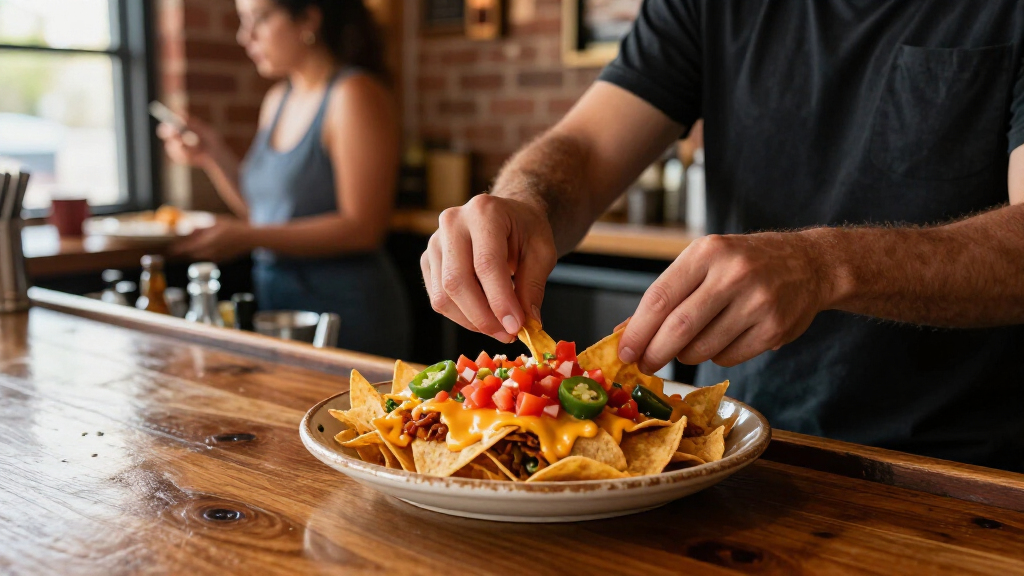
A Florida tavern has implemented a unique method to distribute toppings evenly on nachos, ensuring each chip gets a perfect mix. The technique involves a specific layering process that has gained popularity among customers and food industry observers.
A Florida tavern has introduced a novel method for preparing nachos that ensures each chip receives a balanced mix of toppings. This technique, which involves a specific layering and distribution process, has garnered attention for its consistency and quality, setting a new standard for nacho presentation in casual dining.
The tavern, located in Tampa, developed a multi-step layering process that involves placing chips on a tray and applying toppings in a precise sequence. According to the chef, this method prevents toppings from sliding off or clustering in one area, resulting in every chip having a comparable amount of cheese, salsa, and other ingredients. Staff members have been trained to follow this process meticulously, which has reportedly improved customer satisfaction and reduced waste.
Food industry experts who have observed the technique describe it as a simple yet effective innovation. It involves first laying out a base layer of chips, then evenly distributing toppings across the surface, and finally layering additional chips and toppings in a controlled manner. The process is designed to maintain the integrity of each chip’s toppings, even as the dish is served and eaten.
The tavern owner, who requested anonymity, confirmed that the new method was implemented about a month ago after staff training sessions. Since then, customer feedback has been overwhelmingly positive, with many praising the consistent quality and presentation of the nachos. The owner also noted that this approach has helped reduce the amount of toppings used, which benefits the establishment’s costs and waste reduction efforts.
Why Uniform Nacho Toppings Matter for Food Quality
This innovation matters because it addresses a common challenge in casual dining: how to serve nachos that look appealing and taste consistent across every chip. Uniform topping distribution enhances the overall eating experience, encourages repeat orders, and can influence how other restaurants approach snack presentation. Additionally, the method’s efficiency could inspire broader industry practices aimed at reducing waste and improving food quality.
As an affiliate, we earn on qualifying purchases.
Previous Nacho Serving Methods and Industry Trends
Traditional nacho serving methods often involve piling chips with toppings, which can lead to uneven distribution and waste. Chefs and restaurants have experimented with various techniques to improve presentation, but many rely on visual layering or hand-placing toppings. The recent attention on this Florida tavern’s method reflects a broader industry trend towards more precise, consistent food presentation that appeals to customers seeking quality and value. This development also comes amid increasing focus on food waste reduction and operational efficiency in casual dining establishments.
“We wanted every chip to have the same great flavor, and this layering process helps us do that consistently.”
— Tavern owner
Details Still Unclear About Technique Scalability
It is not yet clear whether this method can be easily adopted by other restaurants or scaled for larger operations. The specific steps and training requirements may vary, and the long-term impact on costs and waste reduction has not been fully analyzed. Additionally, the durability of the technique during high-volume service remains to be tested.
Potential Adoption and Industry Response
The tavern plans to continue refining its process and monitor customer feedback. Industry observers will likely watch for other establishments adopting similar layering techniques. Further studies or demonstrations may emerge to evaluate the method’s efficiency and scalability across different types of casual dining settings.
Key Questions
How does the new nacho layering process work?
The process involves laying out chips, evenly distributing toppings, and layering additional chips and toppings in a controlled manner to ensure each chip gets a balanced amount of ingredients.
Will other restaurants be able to replicate this technique?
It is possible, but success depends on proper training and adherence to the layering process. Scalability for larger operations remains to be tested.
Does this method reduce food waste?
According to the tavern owner, the technique helps reduce waste by minimizing toppings that fall off or are unevenly distributed, leading to more efficient use of ingredients.
Has this method affected the cost of making nachos?
The owner reports that costs have been reduced slightly due to less topping waste, though the primary benefit is improved presentation and customer satisfaction.
Is this technique applicable to other snack foods?
While designed for nachos, the principles of even distribution could potentially be adapted for other layered or topped foods, but further experimentation is needed.
Source: rss
NFL season / tailgating Picks
team gear
As an affiliate, we earn on qualifying purchases.