
TL;DR
New research and expert advice reveal improved methods for storing watermelon, significantly extending its freshness. Proper storage can prevent spoilage and reduce waste.
Experts now recommend specific storage methods for watermelon that significantly extend its freshness and prevent spoilage, according to recent food safety guidance. These techniques are simple to implement and can make a substantial difference in how long the fruit remains edible, which matters to consumers and retailers alike.
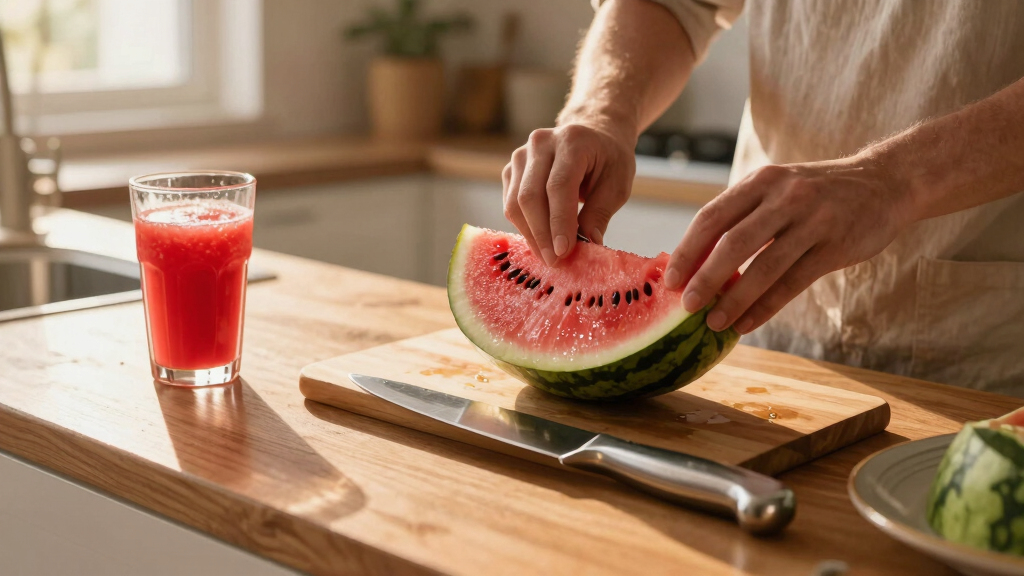
According to food safety specialists, storing watermelon properly involves more than just refrigeration. The recommended approach is to keep cut watermelon in airtight containers at temperatures below 40°F (4°C), which slows bacterial growth and maintains quality. Whole watermelons should be stored in a cool, dark place or refrigerated if cut, with the cut portions covered tightly to prevent moisture loss and contamination.
Recent studies highlight that improperly stored watermelon can spoil within a few days, leading to waste and potential health risks. Experts emphasize that wrapping cut watermelon with plastic wrap or placing it in sealed containers significantly prolongs its shelf life, often by several days. This advice aligns with general food safety standards for perishable produce.
Why Proper Watermelon Storage Matters for Consumers and Retailers
Implementing effective storage methods reduces food waste and minimizes health risks associated with spoiled produce. For consumers, these simple changes can save money and improve food safety; for retailers, it ensures higher quality in sales and less waste. As watermelon is a popular summer fruit, extending its freshness benefits both households and supply chains.
airtight watermelon storage container
As an affiliate, we earn on qualifying purchases.
As an affiliate, we earn on qualifying purchases.
Recent Advances in Fruit Storage Techniques and Consumer Guidance
Food safety authorities and consumer organizations have increasingly emphasized proper storage for perishable produce, including watermelon. Previous advice focused mainly on refrigeration after cutting, but recent guidance underscores the importance of airtight sealing and temperature control from the moment of purchase. These recommendations come amid broader efforts to reduce food waste and improve food safety standards in households and retail environments.
While traditional advice suggested storing whole watermelons in cool, dark places, new research confirms that refrigeration and proper covering of cut pieces significantly extend freshness. This shift aligns with improved understanding of microbial growth and moisture retention in fruits.
“Storing cut watermelon in airtight containers at the right temperature can extend its freshness by several days, reducing waste and health risks.”
— Dr. Emily Carter, Food Safety Expert
Uncertainties About Optimal Storage Conditions for Different Watermelon Types
While general guidelines are clear, it is not yet confirmed whether specific watermelon varieties or sizes require different storage conditions for optimal freshness. Additionally, the long-term effects of various packaging materials on flavor and texture are still under study.
Next Steps for Consumers and Retailers in Watermelon Storage Practices
Further research is expected to refine storage recommendations, including testing new packaging solutions and storage environments. Meanwhile, consumers and retailers are advised to follow current best practices—keeping cut watermelon in sealed containers at below 40°F and storing whole watermelons in cool, dark places—to maximize freshness and reduce waste.
Key Questions
How long can I keep cut watermelon in the refrigerator?
Generally, cut watermelon stored in an airtight container at below 40°F can last up to 3-4 days, according to food safety guidelines.
Is it better to store whole watermelon in the fridge or at room temperature?
Whole watermelons should be stored in a cool, dark place or refrigerated if possible. Refrigeration helps preserve freshness and slows spoilage.
Can storing watermelon improperly cause health issues?
Yes, improper storage can lead to bacterial growth and spoilage, which may cause foodborne illnesses. Proper refrigeration and sealing are essential for safety.
Are there specific packaging materials that help keep watermelon fresh longer?
Sealing cut watermelon tightly with plastic wrap or storing it in airtight containers is recommended. Research on specialized packaging materials is ongoing.
Does the size or type of watermelon affect storage recommendations?
Current guidelines are general; specific differences based on variety or size are still being studied and are not yet clearly defined.
Source: rss