TL;DR

Get kitchen staples and gadgets delivered free — and shop member deals
- Fast, free delivery on millions of items
- Access to Prime Big Deal Days deals on October 6–7
- Prime Video, Amazon Music and more included
A new guide highlights how to bake the best homemade white cake, emphasizing simple ingredients and proper techniques. This development offers home bakers a reliable recipe for a classic dessert.
A new comprehensive recipe and baking guide for homemade white cake has gained widespread attention, offering bakers detailed instructions to achieve a moist, fluffy texture. This development matters because it provides a reliable, tested method for creating a classic dessert that is often used for celebrations. Learn how to make the iconic Looney Cake from Succession.
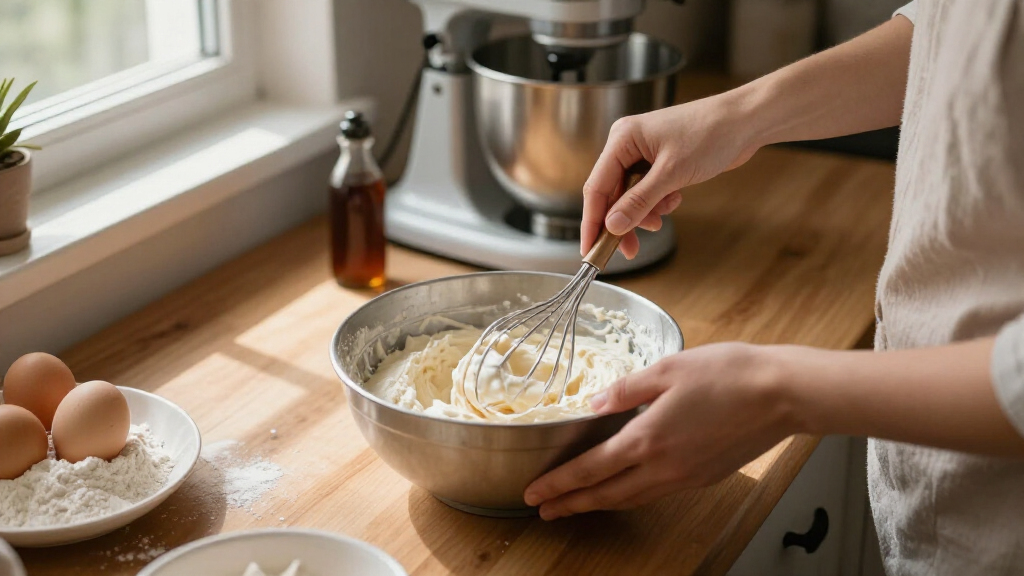
The recipe emphasizes the use of simple ingredients such as cake flour, egg whites, butter, and milk, with specific instructions on mixing techniques to ensure a light crumb. It recommends baking at 350°F (175°C) and suggests using room temperature ingredients for best results. The guide also highlights the importance of proper measuring and avoiding overmixing to prevent a dense cake. Find the best cake baking supplies.
According to the source, the recipe yields a cake that is both tender and moist, suitable for layered cakes or standalone desserts. Bakers are encouraged to use high-quality ingredients and to follow the steps precisely for optimal results. The guide has been praised for its clarity and effectiveness, with many home bakers reporting success after trying the method.
Why This Classic White Cake Recipe Matters for Home Bakers
This development provides home bakers with a trusted, straightforward recipe for a timeless dessert, reducing reliance on store-bought cakes or complex bakery recipes. A well-made white cake is versatile for various occasions, from birthdays to weddings, making this guide valuable for both novice and experienced bakers seeking consistency and quality.
As an affiliate, we earn on qualifying purchases.
Background on Popular White Cake Baking Techniques
White cake recipes have long been a staple in American baking, often used for special occasions. Traditional methods vary, but recent trends emphasize simplicity and the use of cake flour and egg whites to achieve a lighter crumb. The updated guide reflects a growing interest in accessible, homemade baking, especially during periods of increased home cooking.
Details About Ingredient Variations and Baking Tips Still Unclear
While the recipe has been well-received, it is not yet clear how variations in ingredients, such as alternative flours or dairy substitutes, might affect the outcome. Additionally, the optimal baking time may vary slightly depending on oven calibration, and some bakers report differences in texture based on altitude or ingredient brands.
Next Steps for Home Bakers and Recipe Validation
Bakers are encouraged to try the recipe and share their results, helping to validate its effectiveness across different conditions. Future updates may include modifications for dietary restrictions or ingredient substitutions. Baking communities are expected to continue refining techniques based on user feedback.
Key Questions
Can I use all-purpose flour instead of cake flour?
Yes, but the cake may be slightly denser. For best results, some bakers recommend substituting 1 cup of all-purpose flour with 1 cup minus 2 tablespoons of cake flour or adding a small amount of cornstarch.
How do I ensure my cake stays moist?
Using room temperature ingredients, not overmixing, and avoiding overbaking are key. Adding a simple syrup brushed on after baking can also help maintain moisture.
Can I make this cake ahead of time?
Yes, the cake can be baked a day in advance and stored in an airtight container at room temperature or refrigerated. Allow it to come to room temperature before frosting for the best texture.
What frosting pairs best with this white cake?
Classic options include vanilla buttercream, cream cheese frosting, or whipped cream, depending on the occasion and personal preference.
Source: rss
Halloween Picks
halloween
As an affiliate, we earn on qualifying purchases.