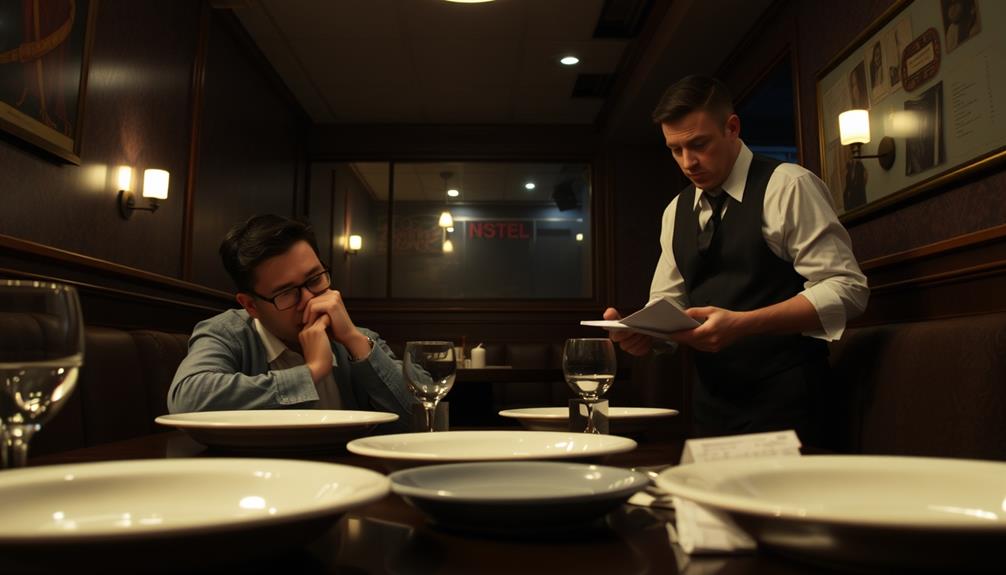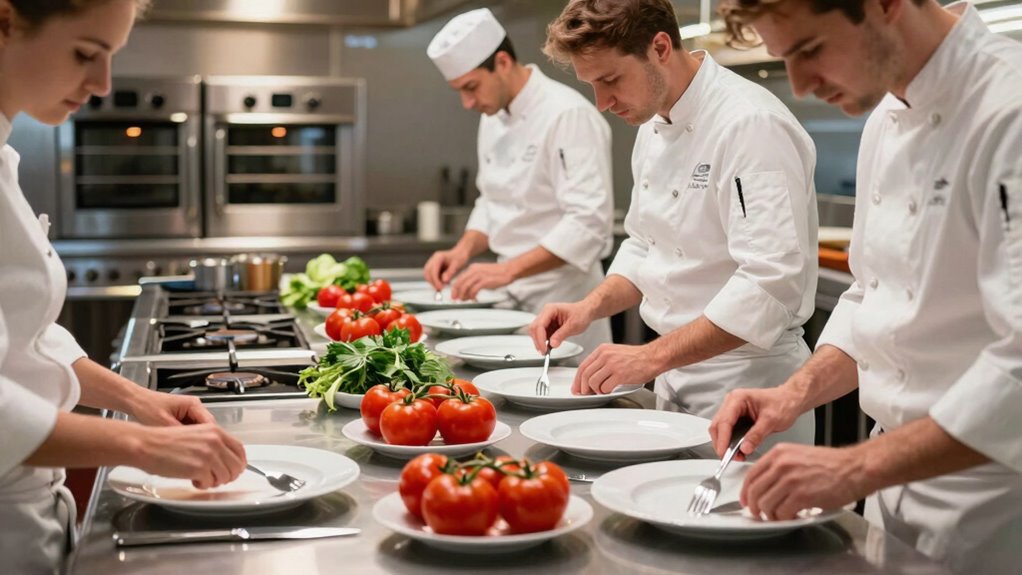

Before the first ticket prints, you guarantee your team is aligned through a quick huddle, clarifying specials and roles. You verify all stations are stocked and prepped, keeping workflow smooth. Equipment and POS systems are tested for reliability, preventing delays. You walk through the restaurant from a guest’s view, checking cleanliness, ambiance, and staff readiness. This proactive preparation sets the stage for seamless service, and if you continue, you’ll discover more ways to perfect your startup routine.

Get kitchen staples and gadgets delivered free with Prime
- Fast, free delivery on millions of items
- Prime Video, Amazon Music and more included
- Member-only deals all year
Key Takeaways
- Conduct a team briefing to clarify specials, menu changes, and individual roles for smooth communication.
- Verify all kitchen stations are stocked, prepped, and organized for efficient workflow.
- Test POS and communication systems to ensure accurate order relay and minimize errors.
- Perform a restaurant walkthrough to ensure cleanliness, ambiance, and staff readiness.
- Address environment factors like air quality and layout to support a seamless initial service.
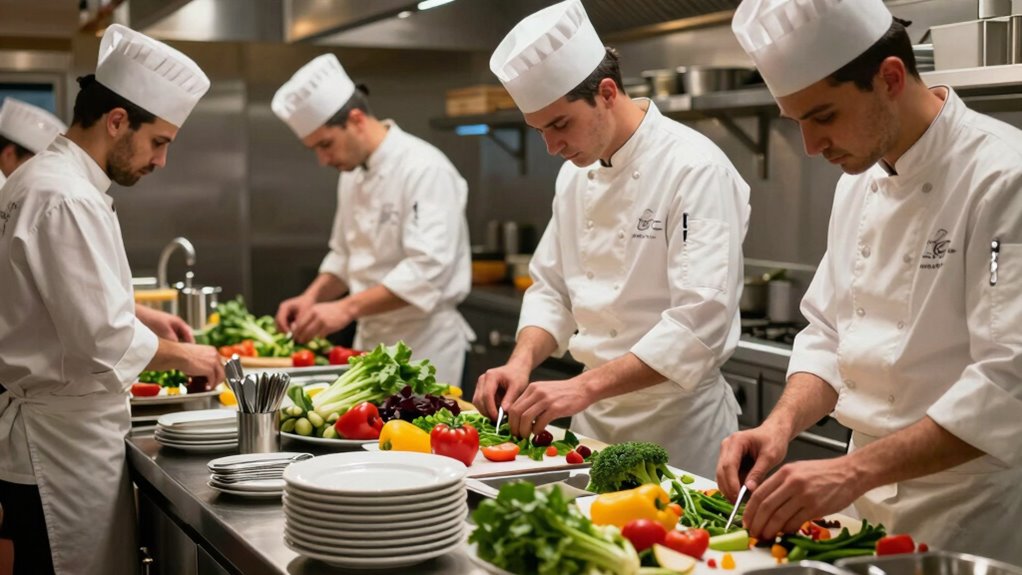
Before the first ticket is ever written, restaurants are busy setting the stage for a smooth service. You realize that the foundation of a successful shift begins long before customers sit down or orders are placed. It’s all about guaranteeing that staff communication is clear and effective, and that kitchen organization is tight. When these elements are in sync, the entire operation runs seamlessly from the moment the doors open.
You start by gathering your team for a quick briefing. During this huddle, you clarify the day’s specials, highlight any menu changes, and address potential concerns. This step guarantees everyone is on the same page, reducing confusion once the rush begins. Effective staff communication here is vital; everyone knows their role, understands expectations, and feels confident to execute their tasks. When team members communicate well, they catch issues early and support each other, preventing delays when the first orders come in.
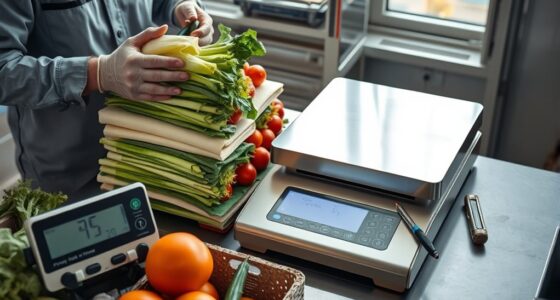
Simultaneously, you focus on kitchen organization. You check that all stations are stocked with necessary ingredients, tools, and equipment. You verify that prep work is complete and that mise en place — the setup of ingredients and utensils — is in order. This preparation minimizes chaos later, so when customers start ordering, the kitchen can deliver quickly and accurately. You also make sure that the workflow is optimized, with clear stations for different tasks, and that everyone knows where everything is stored. A well-organized kitchen prevents bottlenecks and confusion, especially during busy moments. Incorporating kitchen efficiency practices can further streamline operations and reduce wait times. Additionally, maintaining consistent standard operating procedures helps keep everyone aligned and prepared for various situations. Paying attention to indoor air quality can also enhance overall staff comfort and safety, contributing to a more efficient environment. Moreover, fostering a culture of continuous improvement encourages staff to identify and address potential issues proactively.
You also double-check that the point-of-sale (POS) system is functioning correctly, so that when orders come in, they are transmitted smoothly to the kitchen. Having a reliable communication system between front-of-house and kitchen staff is essential. It ensures that orders are relayed promptly, reducing errors and wait times. You encourage open lines of communication, reminding staff that if anything isn’t clear, they should speak up immediately. Additionally, understanding biodiversity and sustainable practices can help restaurants build more resilient and eco-friendly operations, supporting community well-being.
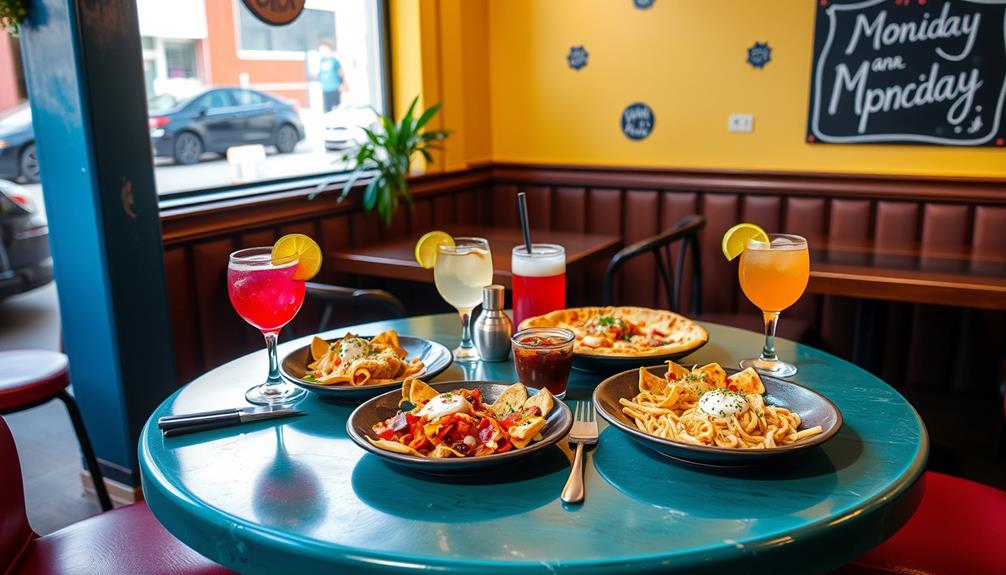
Finally, you walk through the restaurant, observing the setup from the guest’s perspective. Everything looks inviting, clean, and ready to serve. Staff members are alert, confident, and prepared to handle the initial rush. When all these elements are in place — staff communication is fluid, kitchen organization is tight, and systems are functioning — you set the tone for a smooth service. The first ticket gets processed efficiently, and your team is poised to deliver a positive experience from the very first order.
restaurant kitchen station prep tools
As an affiliate, we earn on qualifying purchases.
As an affiliate, we earn on qualifying purchases.
Frequently Asked Questions
How Early Should Staff Arrive Before Opening?
You should have staff arrive at least 30 to 60 minutes before opening to make certain punctuality and smooth pre-opening routines. This allows everyone time to prepare, set up stations, and review the day’s menu. By arriving early, your team can coordinate effectively, handle last-minute tasks, and create a welcoming environment. Punctual staff and thorough pre-opening routines set the tone for a successful service and great customer experience.
What Supplies Are Prepared Before the First Ticket?
You prepare essentials like utensils, ingredients, and station setups before the first ticket. During menu planning, you guarantee dishes are streamlined for efficiency. A staff briefing helps clarify responsibilities and special instructions, so everyone’s aligned. You double-check that all necessary supplies, like garnishes and condiments, are ready to go. This preparation ensures a smooth service start, minimizes delays, and keeps the kitchen running seamlessly from the moment customers arrive.
How Do Chefs Organize Their Stations Initially?
You neatly organize your station, imagining yourself as a conductor orchestrating a culinary symphony. You arrange your kitchen layout for maximum efficiency, placing tools and ingredients with surgical precision. A quick staff briefing guarantees everyone knows their roles, timing, and special touches. With everything in its rightful place and everyone on the same page, you’re ready to turn chaos into culinary art, all before the first ticket even hits the printer.
What Safety Checks Are Performed Before Service Starts?
Before service starts, you perform safety checks by verifying ingredient freshness and inspecting storage areas for spoilage. You also guarantee all equipment is calibrated correctly to prevent malfunctions, checking ovens, thermometers, and knives. These steps help maintain food safety and quality, giving your team confidence. By focusing on ingredient freshness and equipment calibration, you create a safe environment for both staff and guests, ensuring a smooth, successful service.
How Is the Restaurant’s Ambiance Set Before Opening?
You prepare the restaurant’s ambiance like tuning a symphony, ensuring every detail sings. You adjust the restaurant decor to create a welcoming vibe, arranging tables and art to reflect the desired mood. Ambient lighting is carefully set to cast a warm glow, inviting guests to relax and enjoy. These elements work together, transforming the space into an inviting haven before the first ticket prints, setting the tone for a memorable dining experience.
Conclusion
Before that first ticket prints, great restaurants set the stage for success by meticulously prepping their staff and space. Did you know that restaurants with well-trained teams are 30% more likely to receive positive reviews? By investing time upfront, you guarantee a seamless flow from the moment guests walk in to their first bite. Remember, the secret to a memorable dining experience starts long before that first ticket—so, make every second count.
Halloween Picks
halloween
As an affiliate, we earn on qualifying purchases.