
By actively listening to customer feedback and addressing issues promptly, you show guests their opinions matter, reducing repeat problems. Ongoing staff training ensures your team understands standards and handles situations better, minimizing mistakes. Cultivating a culture of continuous improvement encourages open communication and learning. Incorporating sustainability principles boosts resilience, while engaged staff deliver higher quality service. These simple, consistent habits quietly cut rework over time—if you want to uncover more effective strategies, keep exploring these best practices.

Get kitchen staples and gadgets delivered free with Prime
- Fast, free delivery on millions of items
- Prime Video, Amazon Music and more included
- Member-only deals all year
Key Takeaways
- Actively listen to guest feedback to identify and address issues early.
- Provide ongoing staff training to ensure consistent service and reduce mistakes.
- Foster a culture of continuous improvement and learning for ongoing operational refinement.
- Incorporate sustainability principles to create resilient, environmentally conscious practices that prevent rework.
- Engage staff through recognition and open communication to enhance service quality and problem-solving.
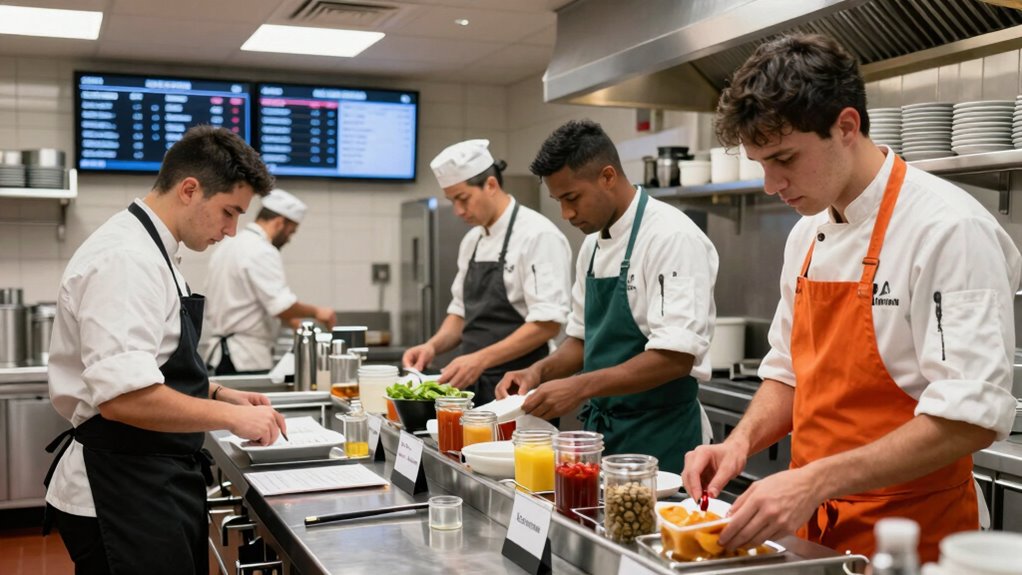
In the fast-paced world of restaurants, small habits can make a big difference in reducing rework and ensuring smooth operations. One of the most effective habits is actively listening to customer feedback. When you pay close attention to what guests are saying—whether through direct comments, online reviews, or survey forms—you gain valuable insights into what’s working and what’s not. This feedback can highlight recurring issues, such as delays in service or inconsistencies in food quality, allowing you to address problems before they escalate into larger problems requiring rework. By acting on customer feedback promptly, you show guests that their opinions matter, which can increase loyalty and reduce complaints that lead to unnecessary fixes.
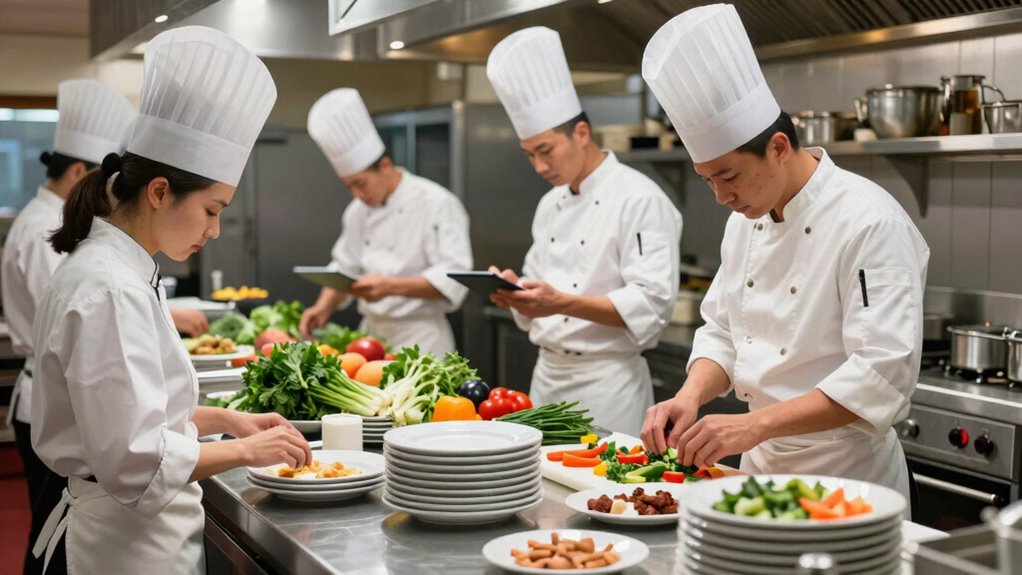
Another key habit is ongoing staff training. When your team is well-trained, they understand the standards expected of them and know how to handle various situations efficiently. Regular training sessions help reinforce best practices, from proper food handling to customer service techniques. Well-trained staff make fewer mistakes, which cuts down on rework caused by incorrect orders or mishandled service. It also boosts confidence among your team, encouraging proactive problem-solving rather than reactive fixes. Consistent training ensures everyone is aligned with your restaurant’s procedures, reducing the chances of miscommunication that often leads to rework. Additionally, implementing continuous improvement strategies and fostering a culture of learning and adaptation can help identify areas for further refinement and prevent recurring issues. Incorporating biodiversity principles into your operational procedures can promote a more sustainable and resilient restaurant environment, ultimately supporting long-term success. Recognizing the importance of employee feedback can also lead to more engaged staff and better overall service quality, further reducing rework.
Ongoing staff training reduces mistakes, boosts confidence, and ensures consistent, efficient restaurant operations.
Combining these habits creates a cycle of continuous improvement. Incorporating customer feedback into your staff training programs allows your team to learn directly from guest experiences. For example, if multiple customers mention slow service during peak hours, you can train your staff on efficient order-taking and multitasking strategies. This proactive approach prevents issues from recurring, saving time and resources. Additionally, encouraging open communication between staff members fosters a culture where problems are shared and addressed before they snowball into larger rework scenarios. Regular review and updating operational procedures also ensure your team is equipped with current best practices, which further minimizes avoidable mistakes and rework.
restaurant staff training manual
As an affiliate, we earn on qualifying purchases.
As an affiliate, we earn on qualifying purchases.
Frequently Asked Questions
How Do Restaurant Habits Impact Overall Customer Satisfaction?
Your restaurant habits directly impact customer satisfaction by ensuring menu consistency and seating efficiency. When you consistently serve the same quality dishes, customers trust your establishment and return. Efficient seating minimizes wait times, creating a positive experience. By focusing on these habits, you make guests feel valued and comfortable, boosting their overall satisfaction. Small, intentional actions like maintaining menu consistency and optimizing seating can substantially enhance your customers’ dining experience.
What Role Does Staff Training Play in Reducing Rework?
Staff training plays a vital role in reducing rework by boosting staff motivation and guaranteeing training consistency. When your team receives thorough, ongoing training, they become more confident and efficient, minimizing mistakes. Motivated staff are more attentive and committed to quality, which decreases errors and rework. Consistent training makes certain everyone follows the same standards, creating a smoother operation and ultimately enhancing customer satisfaction.
Are There Specific Habits That Prevent Food Waste?
Think of your kitchen as a well-oiled machine—small habits make a big difference. You can prevent food waste by practicing strict portion control and diligent inventory management. When you measure servings carefully, you avoid over-preparing, and keeping a close eye on stock levels guarantees you don’t let ingredients spoil. These habits keep your waste low, profits high, and your reputation shining like a beacon in the industry.
How Do Communication Practices Influence Rework Frequency?
Poor communication practices increase rework frequency by creating barriers that lead to misunderstandings and errors. When you establish clear communication channels, you diminish these barriers and streamline processes. Regular feedback loops help identify issues early, preventing them from escalating into larger problems. By actively encouraging open dialogue and listening, you make certain everyone stays aligned, which minimizes rework, saves time, and maintains high-quality standards in your restaurant operations.
Can Technology Adoption Improve Restaurant Workflow Consistency?
Think of technology as the conductor of your restaurant’s symphony—when it’s in sync, everything runs smoothly. By adopting systems that improve inventory accuracy and streamline equipment maintenance, you can create a more consistent workflow. This reduces errors, prevents delays, and keeps your team focused on delivering quality service. Embracing technology helps you maintain harmony in daily operations, ultimately leading to fewer rework episodes and happier customers.
Conclusion
By adopting simple habits like clear communication and thorough preparation, you can cut rework by up to 30%. These small changes in your restaurant routines create smoother service and happier customers, all without extra effort. Remember, a recent survey found that 85% of successful restaurants prioritize these habits daily. So, focus on consistency and attention to detail—your team and guests will thank you for it, and your bottom line will benefit too.
Columbus Day / Indigenous Peoples' Day Picks
long weekend sales
As an affiliate, we earn on qualifying purchases.