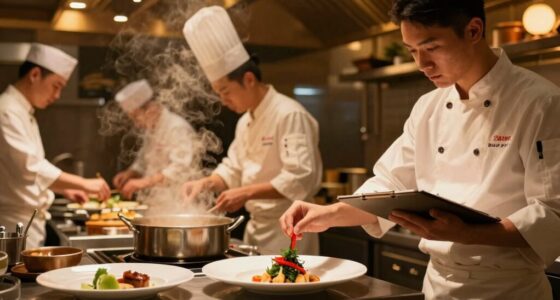

When staff call-offs happen, having a strong recovery plan helps you maintain service quality and control costs without upsetting customers. You can quickly adapt with cross-trained staff, flexible menus, and effective communication protocols. Technology tools and contingency plans help reduce downtime and streamline adjustments. Building relationships with reliable staffing sources and practicing emergency procedures guarantee your team responds confidently. If you want to keep your operation running smoothly no matter what, there’s more to uncover about crafting the perfect recovery strategy.

Get kitchen staples and gadgets delivered free with Prime
- Fast, free delivery on millions of items
- Prime Video, Amazon Music and more included
- Member-only deals all year
Key Takeaways
- Effective recovery plans minimize service disruptions during unexpected staff call-offs.
- They enable quick menu adjustments to maintain quality and customer satisfaction.
- Well-designed plans improve communication, ensuring rapid decision-making and coordination.
- Contingency strategies reduce operational downtime and prevent revenue loss.
- Continuous improvement of recovery plans fosters resilience and adaptability in staffing emergencies.
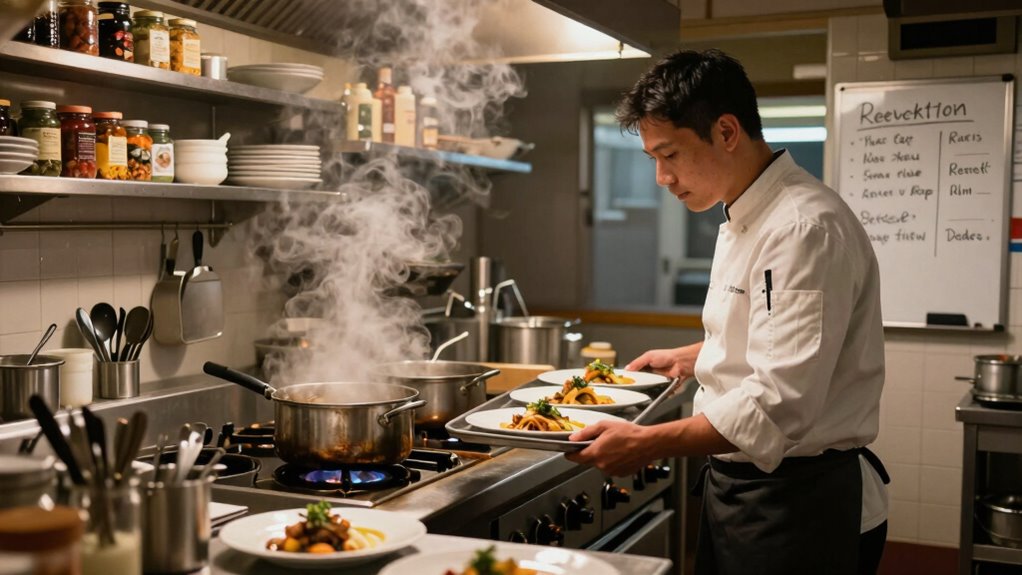
In today’s competitive hospitality industry, having a solid recovery plan is essential for restaurants to bounce back quickly from disruptions. When staff calls off unexpectedly, it can throw your entire day into chaos, risking lost revenue, unhappy customers, and a damaged reputation. That’s why you need a well-thought-out plan that includes effective staff training and strategic menu adjustments to manage these challenges smoothly. Staff training isn’t just about onboarding new employees; it’s about preparing your team to handle sudden shortages or absences confidently. Cross-training your staff ensures that multiple team members can step into critical roles when needed, reducing the impact of last-minute call-offs. Well-trained staff can adapt quickly, maintain service quality, and keep operations running smoothly, even when your team is short-handed. This preparation minimizes downtime and helps you serve your customers without noticeable interruptions. Additionally, implementing smart appliances like automated ordering systems or digital scheduling tools can further enhance your recovery efforts by streamlining communication and operational efficiency. Incorporating technology into your recovery strategy can also improve overall efficiency and responsiveness during staffing crises. Regularly practicing emergency procedures with your team can further improve your ability to respond effectively during unexpected call-offs, ensuring minimal disruption to service. Having a flexible mindset towards menu adjustments allows your team to adapt more easily during staffing shortages, ensuring service remains consistent. Menu adjustments are equally crucial when staff call off unexpectedly. You should have a flexible menu that allows you to scale back to core items or popular dishes that require less preparation and fewer staff members. Simplifying your menu during staffing shortages helps streamline operations, reduces wait times, and maintains quality. It also prevents your team from becoming overwhelmed trying to prepare complex dishes that can’t be efficiently executed with limited personnel. Developing contingency plans for such situations ensures your team is prepared with clear steps to follow during staffing emergencies, which can significantly reduce confusion and delays. Having a plan for quick menu modifications means you can communicate clearly with customers, manage expectations, and still deliver a positive dining experience. Additionally, offering a limited but well-curated selection can boost efficiency and reduce waste, ensuring your restaurant remains profitable even under staffing constraints.
Effective staff training and cross-training help restaurants stay resilient during unexpected call-offs.
A good recovery plan also involves clear communication protocols. Make sure your team knows how to alert management about staffing issues and how decisions will be made to adjust service levels or menu items. This proactive approach helps you respond swiftly, avoiding last-minute surprises that can lead to poor service. It’s also wise to develop relationships with trusted staffing agencies or part-time workers who can fill in on short notice, giving you more flexibility during staffing shortages. Regularly reviewing and updating your recovery plan keeps it relevant and effective, ensuring you’re always prepared for call-offs or other disruptions. Furthermore, fostering a culture of adaptability within your team encourages everyone to contribute ideas for improving the recovery process.
Ultimately, having a comprehensive recovery strategy that emphasizes staff training and menu flexibility equips you to manage call-offs more effectively. You’ll reduce operational disruptions, maintain customer satisfaction, and protect your bottom line. In a fast-paced industry, those proactive measures make all the difference in bouncing back quickly and sustaining your restaurant’s success.
restaurant staff scheduling software
As an affiliate, we earn on qualifying purchases.
As an affiliate, we earn on qualifying purchases.
Frequently Asked Questions
How Can Technology Improve Restaurant Call-Off Recovery Plans?
Technology can substantially improve your restaurant’s call-off recovery plans by utilizing automated scheduling, which quickly adjusts staffing levels based on real-time needs. Communication platforms guarantee seamless updates and coordination with your team, reducing confusion and delays. By integrating these tools, you enhance flexibility, respond swiftly to call-offs, and maintain excellent service standards, ultimately minimizing disruptions and maximizing efficiency during unpredictable staffing challenges.
What Are the Legal Considerations for Handling Last-Minute Staff Cancellations?
Think of legal liability as a ticking clock—you need to act before it strikes. When handling last-minute staff cancellations, you must clearly understand contract negotiations and the legal obligations involved. Guarantee your policies are documented to minimize disputes, and communicate transparently with staff about cancellation terms. By doing so, you protect your restaurant legally and maintain smooth operations, turning potential chaos into a well-orchestrated recovery.
How Do Recovery Plans Impact Customer Experience During Staffing Shortages?
Recovery plans directly impact customer loyalty and staff morale during staffing shortages. When you implement effective strategies, your team stays motivated, and customers notice consistent service quality. Quick adjustments show you value their experience, encouraging repeat visits. Conversely, poor recovery efforts can frustrate customers and demoralize staff. By proactively managing call-offs, you maintain a positive atmosphere, foster trust, and strengthen your restaurant’s reputation.
What Training Is Needed for Staff on New Recovery Procedures?
Think of staff training on new recovery procedures as teaching your team to dance seamlessly through unexpected rain. You’ll focus on clear staff communication and mastering emergency protocols, so everyone moves in sync. Training should include role-playing scenarios, quick-reference guides, and hands-on drills. When your team knows the steps inside and out, they’ll pivot smoothly during staffing call-offs, turning potential chaos into a coordinated performance that keeps your restaurant running smoothly.
How Often Should Recovery Plans Be Reviewed and Updated?
You should review and update your recovery plans regularly, ideally every three to six months, to keep staff communication clear and effective. Regular updates guarantee your contingency planning adapts to new challenges, staffing changes, or operational shifts. Involving your team in these reviews helps identify gaps and reinforce procedures. Consistent revisions keep everyone prepared, minimize disruptions, and make sure your restaurant can swiftly recover from call-offs or emergencies.
Conclusion
By crafting stronger recovery plans, you’re planting seeds of resilience that will bloom even in the face of call-offs. Think of it as building a sturdy bridge over turbulent waters, ensuring your restaurant stays afloat no matter the storm. When you prepare for the unexpected, you turn chaos into a well-choreographed dance, keeping your doors open and your reputation shining. Embrace these strategies, and watch your restaurant rise resilient, like a phoenix reborn from the ashes.
Halloween Picks
halloween
As an affiliate, we earn on qualifying purchases.