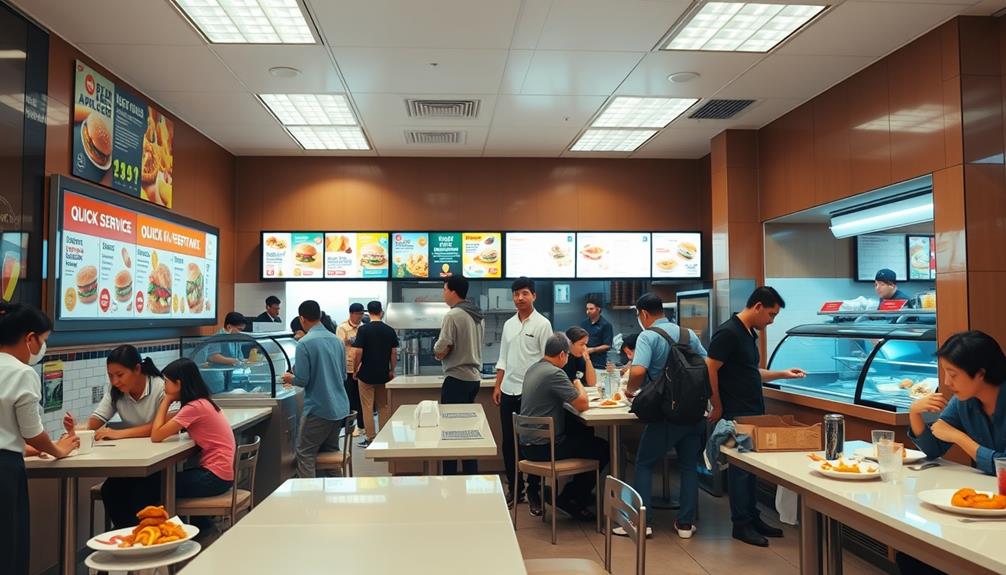
The commissary model for multi-unit operators centralizes food production at a single, well-equipped facility, allowing you to handle bulk purchasing, preparation, and packaging efficiently. This setup helps you reduce costs, guarantee consistent quality, and streamline supply chain management. It also makes compliance easier and supports quick menu updates. If you want to see how this approach can boost your operations’ growth and resilience, there’s more to explore below.
Key Takeaways
- Centralized production reduces redundant processes and ensures standardized recipes across multiple units.
- Bulk purchasing and consolidated operations lower costs and improve procurement efficiency.
- Central control enhances quality assurance, inventory management, and compliance with health regulations.
- The model supports rapid menu updates, operational flexibility, and consistent customer experiences.
- It enables scalability, supply chain resilience, and strategic growth for multi-unit operators.

For multi-unit operators, implementing a commissary model can streamline operations and reduce costs. This approach centralizes food production and distribution, which directly impacts your ability to achieve greater cost efficiency. Instead of managing multiple kitchens or suppliers across various locations, you operate from a single, well-equipped commissary that handles bulk purchasing, preparation, and packaging. This consolidation minimizes redundant processes, reduces labor costs, and maximizes economies of scale. As a result, your supply chain becomes more efficient, with fewer touchpoints and less room for delays or errors. You gain better control over inventory and quality, ensuring consistency across all your units. This centralized setup allows you to standardize recipes, streamline procurement, and optimize logistics, making it easier to forecast demand and manage stock levels effectively.
By operating a commissary, you also enhance your supply chain management. You can negotiate better deals with suppliers due to the volume of ingredients purchased, which further reduces costs. Bulk buying not only lowers per-unit expenses but also secures more favorable delivery terms and priority access to supplies. Additionally, having a dedicated commissary means you can implement strict quality control measures in a controlled environment, ensuring every product leaving the facility meets your standards. This consistency bolsters brand reputation and customer satisfaction. The streamlined supply chain also means faster turnaround times. You can prepare large quantities of food and distribute them quickly to individual units, reducing wait times and minimizing waste. This efficiency helps you meet customer demand more reliably while controlling inventory costs.
Operating a commissary enhances supply chain management through bulk purchasing, strict quality control, faster turnaround, and improved customer satisfaction.
Moreover, the commissary model simplifies compliance with health and safety regulations. Since food preparation occurs in a centralized, controlled environment, you can enforce uniform safety standards and conduct regular audits more effectively. This reduces the risk of violations, potential fines, or brand damage. On top of that, the model supports flexibility; you can adapt menus or introduce new products across all units swiftly, without the need to modify each location individually. The centralization also enables better tracking of costs, waste, and operational performance, providing you with valuable insights to refine your strategies. Implementing standardized procedures further enhances operational consistency and quality control.
In essence, adopting a commissary model for your multi-unit operation enhances cost efficiency and fortifies your supply chain. It allows you to operate more smoothly, respond faster to market changes, and deliver a consistent experience to your customers. With centralized control over production and distribution, you’ll find it easier to scale your business while maintaining high standards and controlling expenses. This strategic move positions your operations for long-term growth and profitability.
Frequently Asked Questions
How Does the Commissary Model Impact Local Food Sourcing Strategies?
The commissary model shapes your local sourcing strategies by centralizing your supply chain, making it easier to manage and control. You can prioritize local suppliers, reduce transportation costs, and guarantee fresher ingredients. This approach streamlines your sourcing process, allowing you to build strong relationships with local vendors. Ultimately, it boosts your sustainability efforts and supports community businesses, creating a more resilient and efficient supply chain for your multi-unit operations.
What Are the Primary Cost Savings Associated With a Commissary Model?
You save costs with a commissary model by streamlining inventory management, reducing waste, and optimizing purchasing power. It also lowers labor expenses through centralized staff training and efficient operations. By consolidating food prep and distribution, you minimize redundant processes and transportation costs. This approach enhances overall efficiency, allowing you to allocate resources more effectively while maintaining quality standards across multiple locations.
How Does the Commissary Model Influence Quality Control Across Multiple Units?
Think of the commissary model as a skilled orchestra conductor guiding a symphony. It guarantees consistent quality control across your units by streamlining the supply chain and standardizing staff training. With centralized oversight, you can quickly identify and correct issues, maintaining high standards everywhere. This coordination boosts product consistency, minimizes errors, and keeps your brand’s reputation intact, much like a conductor ensures every instrument hits the right note.
What Are the Legal Considerations for Establishing a Centralized Commissary?
When establishing a centralized commissary, you need to prioritize legal compliance and licensing requirements. Make sure you acquire all necessary permits and licenses from local health departments and regulatory agencies. You must also adhere to food safety laws, sanitation standards, and zoning regulations. Staying proactive in understanding these legal considerations ensures your commissary operates smoothly, avoids fines, and maintains high standards across your multiple units.
How Does Technology Integration Improve Commissary Operations Efficiency?
You can boost your commissary’s efficiency through technology integration, where digital tracking and automation efficiency play key roles. While manual processes slow you down, digital tracking streamlines inventory management and order fulfillment, reducing errors. Automation efficiency speeds up repetitive tasks, allowing staff to focus on quality and customer service. By embracing these tools, you stay ahead of operational challenges, ensuring smoother, faster, and more accurate commissary operations.
Conclusion
Adopting the commissary model for your multi-unit operation will revolutionize your business faster than you can blink. Picture your entire empire running like a well-oiled, unstoppable machine, with ingredients flying seamlessly from your commissary to each location—no delays, no chaos. It’s like having a secret weapon that transforms chaos into order and complexity into simplicity. Embrace this model, and you’ll be unstoppable—your success will skyrocket beyond even your wildest dreams!