
🔍 Read the full analysis: Barbera At The Douja d'Or: Asti's September Wine Fair Explained on Mad Tasting
TL;DR
The Douja d’Or in Asti is a September wine festival celebrating Piedmontese wines, especially Barbera. It features tastings, producer meetings, and regional food across historic venues, offering a unique experience of Piedmont’s wine diversity. This article explains what the festival is, how to enjoy Barbera, and why it matters for wine lovers.
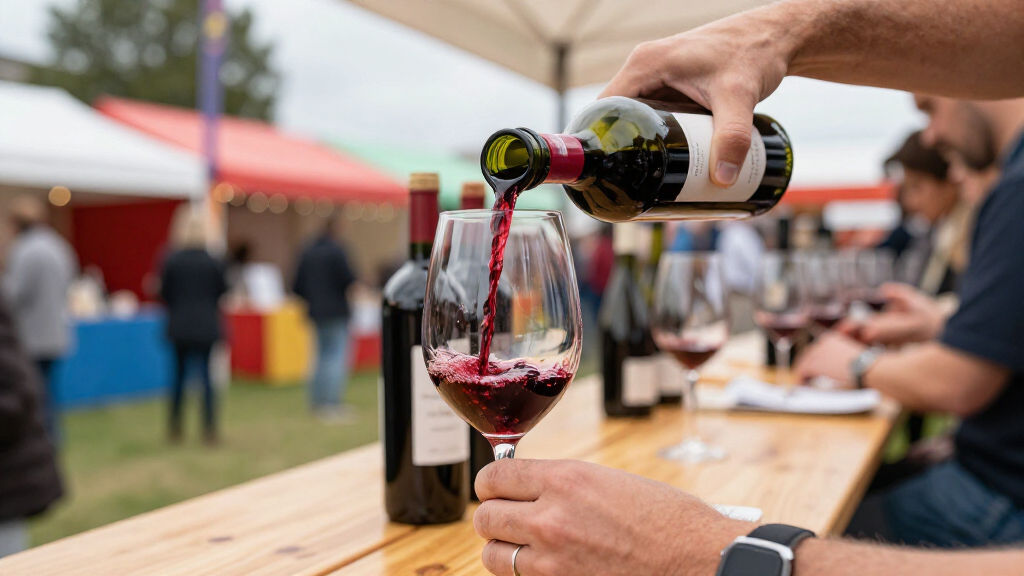
The Douja d’Or wine festival in Asti, held every September, featured a prominent focus on Barbera wines from different denominations, attracting wine enthusiasts from across Italy and beyond. For more background, see the original analysis. The event’s highlight was the opportunity for visitors to taste multiple expressions of Barbera, from young and fresh to structured and age-worthy, all within the historic city of Asti. This year’s festival underscores the importance of Barbera in Piedmont’s wine landscape and offers an immersive experience in regional wine culture.
The Douja d’Or is a longstanding wine festival in Asti, dating back to 1967, originally established as a national wine competition. Today, it has evolved into a citywide celebration that combines tastings, producer meetings, masterclasses, and regional food spread across historic venues and public squares. The festival’s unique format involves scattered tasting stations across the city, encouraging visitors to walk through Asti’s medieval streets, enjoy the scenery, and sample wines in various settings. You can learn more about the festival’s highlights in this detailed coverage. The event coincides with the grape harvest, filling the air with the scent of fermenting must and creating a vibrant atmosphere that captures the essence of Piedmont’s wine country.
This year, the festival prominently featured Barbera from its four main denominations: Barbera d’Asti DOCG, Nizza DOCG, Barbera del Monferrato Superiore DOCG, and Barbera del Monferrato DOC. Each denomination has specific grape percentage, territory, and aging rules, which influence the flavor profile and aging potential of the wines. Visitors could compare these expressions side by side, gaining insight into how terroir and production methods shape the final product. The festival also included guided tastings, cooking demonstrations, and regional food pairings, emphasizing the versatility and food-friendliness of Barbera.
Barbera At The Douja d’Or: Asti’s September Wine Fair Explained
The Douja d’Or is a citywide September celebration of Piedmontese wine — with Barbera at its heart. Tasting stations scattered across Asti’s medieval streets, masterclasses, and regional food pairings make it one of Italy’s most immersive wine experiences, timed to the grape harvest itself.
A Showcase of Piedmont’s Wine Diversity
Asti lies in the historic heartland of Barbera, making the Douja d’Or a natural stage for the grape. By presenting a broad spectrum of styles — from young and fresh to structured and age-worthy — the festival highlights Barbera’s versatility and regional significance, while fostering local pride and promoting Piedmontese producers in a competitive global market.
Denominations Compared Side by Side
Each denomination carries specific grape-percentage, territory, and aging rules that shape flavour and aging potential. The festival lets visitors compare all four expressions in a single historic setting.
| Denomination | Grapes | Style Profile | Aging Potential | Food Match |
|---|---|---|---|---|
| Barbera d’Asti DOCG | Mostly Barbera, small share of other grapes allowed | Approachable, fresh, versatile | ~ Medium | Tomato-based pasta |
| Nizza DOCG | 100% Barbera | Terroir-driven, structured, age-worthy | ✓ High | Roasted meats |
| Barbera del Monferrato Superiore DOCG | Barbera-dominant blend | Refined, complex | ✓ High | Aged cheeses |
| Barbera del Monferrato DOC | Barbera with local varieties | Young, vibrant, easy-drinking | ~ Modest | Everyday dishes |
From Competition to Citywide Festival
What began as a single-hall national wine competition has evolved into a distributed festival across Asti’s historic venues and public squares — encouraging visitors to explore the medieval city on foot.
1967 Origins
Established as a national wine competition recognizing excellence in Italian wines.
Cultural Shift
Transformed into a broader celebration of regional wines and culinary traditions.
Citywide Format
Tastings spread across historic venues, squares, and medieval streets of Asti.
Today’s Festival
Sophisticated tastings, masterclasses, and food pairings blending tradition and innovation.
What Awaits Visitors in September
Set during the grape harvest, when the air fills with the scent of fermenting must, the festival offers a vibrant immersion in Piedmont’s wine country — walking routes, producer meetings, and regional cuisine.
Practical Answers for Visitors
Why is Barbera the centerpiece?
Asti lies in the heart of Barbera’s historic territory, and the festival showcases the grape’s versatility through multiple denominations and styles.
Do I need to book tickets in advance?
Yes — many popular tastings and masterclasses require advance reservations due to limited capacity. Check the official program early and book online.
What are the main differences between the four Barberas?
They differ in denomination rules, grape percentage, and aging. Nizza DOCG uses 100% Barbera for age-worthy wines; Barbera d’Asti DOCG allows other grapes for approachable styles.
What should I eat with Barbera?
Regional Piedmontese dishes: tomato-based pasta, roasted meats, and aged cheeses. Barbera’s acidity pairs especially well with fatty or savoury foods.
When is the best time to visit?
Every September — ideally during the early days of the grape harvest, when Asti is at its most vibrant.
What’s still uncertain for 2024?
Exact dates, ticketing procedures, and venue reservations are confirmed closer to September; new tasting formats may also be announced.
Why the Douja d’Or Celebrates Piedmont’s Wine Diversity
The Douja d’Or festival is a vital showcase of Piedmont’s rich wine heritage, with Barbera at its core due to Asti’s location within the grape’s historic heartland. By offering a broad spectrum of Barbera styles, the event highlights the grape’s versatility and regional significance. For consumers and industry professionals alike, the festival provides valuable insights into the differences between denominations, production styles, and aging potential. It also fosters regional pride and promotes Piedmontese cuisine, making it a key event for understanding Italy’s wine diversity and for promoting local producers in a competitive global market.
As an affiliate, we earn on qualifying purchases.
Historical Roots and Evolution of the Douja d’Or Festival
The Douja d’Or originated in 1967 as a national wine competition aimed at recognizing excellence in Italian wines. Over time, it transformed into a broader cultural event, emphasizing regional wines and culinary traditions. Its format shifted from a single exhibition hall to a distributed festival, with tastings and activities spread across Asti’s historic venues, encouraging visitors to explore the city. The timing in September aligns with the grape harvest, making it a natural celebration of the season’s bounty. The festival has grown in popularity, with increasingly sophisticated tastings, masterclasses, and regional food pairings, reflecting both tradition and innovation in Piedmontese wine production.
Unclear Aspects of the 2024 Festival Experience
Details about the exact dates, ticketing procedures, and venue reservations for the 2024 edition are still emerging, as organizers typically update the program closer to September. It is also not yet confirmed whether new tasting formats or special events will be introduced this year. Additionally, the impact of ongoing travel restrictions or health measures could influence attendance and event logistics, but these specifics remain uncertain until closer to the festival date.
Upcoming Steps and Planning Tips for Visitors
Potential attendees should monitor the official Douja d’Or website for updates on the 2024 program, including ticket sales and reservation requirements. Planning ahead is recommended, especially for popular tastings and masterclasses, which often require advance booking. Visitors are advised to prepare for a walking tour of Asti’s historic center, dress comfortably, and sample regional foods alongside wines. As the festival approaches, organizers may also announce special events or new formats designed to enhance the visitor experience.
Key Questions
What makes Barbera the centerpiece of the Douja d’Or?
Barbera is central because Asti lies in the heart of its historic territory, and the festival showcases the grape’s versatility through various denominations and styles, highlighting its importance in Piedmontese wine culture.
Do I need to book tickets in advance for tastings?
Yes, many popular tastings and masterclasses now require advance reservations due to limited capacity. It is recommended to check the official program early and book online.
What are the main differences between the four Barberas at the festival?
The main differences lie in their denomination, grape percentage, and aging rules. Nizza DOCG, for example, uses 100% Barbera and is known for its age-worthy, terroir-driven wines, while Barbera d’Asti DOCG allows some other grapes and offers more approachable styles.
What should I eat with Barbera wines?
Barbera pairs well with regional Piedmontese dishes such as pasta with tomato-based sauces, roasted meats, and aged cheeses. Its acidity makes it especially good with fatty or savory foods.
When is the best time to visit Asti for the Douja d’Or?
The festival takes place every September, ideally during the early days of grape harvest when the city is vibrant and full of activity.
Source: Mad Tasting