
TL;DR

Get kitchen staples and gadgets delivered free with Prime
- Fast, free delivery on millions of items
- Prime Video, Amazon Music and more included
- Member-only deals all year
A food-and-beverage trends podcast episode spotlighted two forces reshaping the industry: menus designed for GLP-1 medication users and the ‘drop culture’ model of scarce, limited-time releases. The discussion points to shifting demand toward protein-rich, smaller-portion offerings and hype-driven product launches.
A new food-and-beverage trends podcast episode examines two developments reshaping how restaurants and packaged-food brands build menus and marketing: GLP-1 menus designed for the growing population taking weight-loss medications, and drop culture, the limited-release launch model borrowed from sneaker and streetwear retail. The episode, surfaced via rss, frames both trends as structural shifts in consumer behavior rather than passing fads, with direct implications for product development, portion sizing, and demand planning across the industry.
The first trend discussed centers on the dietary effects of GLP-1 receptor agonist medications such as those widely prescribed for weight loss and diabetes. Users of these drugs commonly report reduced appetite, smaller meal capacity, and shifted nutritional needs — in particular a demand for protein-dense, nutrient-rich foods in smaller portions. According to the podcast discussion reported through rss, foodservice operators are responding by rethinking menus: lighter entrées, protein-forward snacks, and portion options calibrated to customers who eat less per sitting but may be willing to pay for quality.
The second trend, drop culture, describes the strategy of releasing products in limited quantities for short windows — sometimes a single day — to generate urgency, social-media buzz, and repeat engagement. Originally pioneered in streetwear and sneaker retail, the model has migrated into food and beverage, where brands use limited-edition flavors, collaborations, and timed releases to drive traffic and conversation. The podcast positions scarcity-based launches as a counterweight to the slower, steady demand that GLP-1-influenced menus address: one trend shrinks and steadies consumption, while the other concentrates it into spikes.
Neither trend exists in isolation. As reported by rss, the episode connects them to broader pressures on the industry — changing body-weight demographics among consumers, the economics of restaurant portioning, and the role of social platforms in amplifying hyped launches. Together they suggest operators are planning for a customer who may buy less food more deliberately, while being more responsive to novelty and scarcity when it is offered.
How GLP-1 Menus and Drop Culture Are Shaping F&B Trends
Two structural forces are reshaping food and beverage strategy: menus designed for the growing population taking GLP-1 weight-loss medications, and limited-release “drop culture” launches borrowed from sneaker retail. One trend shrinks and steadies consumption — the other concentrates it into spikes.
Appetite Suppression Meets Artificial Scarcity
A newly released food-and-beverage trends podcast episode examines two developments reshaping how restaurants and packaged-food brands build menus and marketing — framing both as structural shifts in consumer behavior rather than passing fads.
GLP-1 Menus
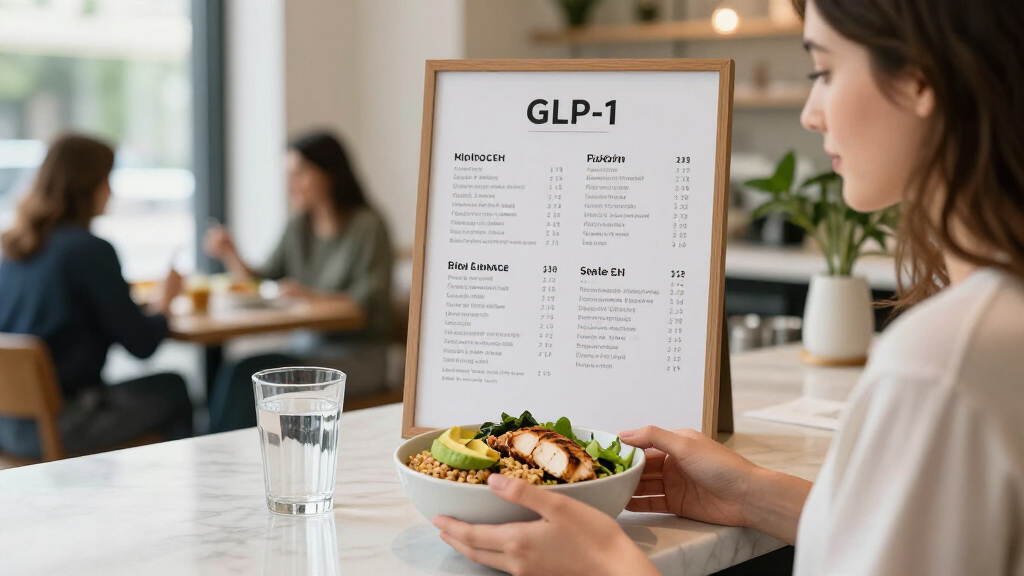
GLP-1 receptor agonist medications reduce appetite and meal capacity. Users demand protein-dense, nutrient-rich foods in smaller portions — prompting operators to rethink entrées, snacks, and portion calibration.
Drop Culture
Limited quantities, short windows — sometimes a single day — generate urgency, social-media buzz, and repeat engagement. Pioneered in streetwear and sneakers, now migrating into food and beverage.
The Twin Playbook
Scarcity-based launches counterbalance slower, steadier GLP-1-influenced demand. The winning playbook pairs portion-conscious everyday menus with scarcity-driven special releases.
From Steady Shrinkage to Concentrated Spikes
The two trends sit at opposite ends of the demand curve — one compresses everyday consumption, the other concentrates it into hype-driven bursts.
Medication Boom
GLP-1 drugs move from niche diabetes treatment to mass-market weight management; prescriptions expand sharply.
Shifted Demand
Reduced grocery spending among users; preferences shift toward protein and nutrient density.
Menu Response
Operators launch lighter entrées, protein-forward snacks, and explicit GLP-1-friendly menu sections.
Scarcity Layer
Limited-edition flavors, collaborations, and one-day pop-ups create demand moments and earned media.
Pressure on the Check Average
If a meaningful share of customers eats smaller portions, per-check averages come under pressure. Restaurants must protect revenue through premium pricing on smaller plates, protein-focused offerings, or bundles matching reduced appetites. Grocery faces a parallel challenge: softer demand for snacks and sweets that long anchored growth.
What Operators Are Asking
A menu designed for customers taking GLP-1 weight-loss medications, who typically eat smaller portions and prioritize protein and nutrient density. Items are often lighter, protein-rich, and portioned for reduced appetites.
What is drop culture in food and beverage?
A launch strategy borrowed from sneaker and streetwear retail in which products are released in limited quantities for short windows to create urgency, buzz, and social-media engagement.
Why do these trends matter to restaurants?
GLP-1 use can shrink per-customer food spending, pressuring restaurants to adjust portions and pricing, while drop culture offers a way to generate concentrated demand spikes and free marketing through hype.
That remains unclear. It depends on long-term medication usage rates and how consumer eating habits settle. The podcast discussion, as reported, treats the shift as structural rather than temporary — but durable data is still emerging.
Signals That Will Settle the Debate
GLP-1 Positioning
Watch for menu launches marketed around portion size or protein content, plus smaller-portion formats spreading into full-service dining.
Company Commentary
Earnings commentary from food companies citing medication-driven demand shifts would confirm the trend’s commercial weight.
Drop Durability
Data on whether drop-style releases produce lasting customer retention or one-off spikes — and which categories benefit most once novelty fades.
Note: The episode’s full arguments could not be independently reviewed beyond its headline and framing; no specific experts, companies, or products were named in the available material. Source: rss.
The rise of GLP-1 medications has measurable commercial consequences for food businesses. If a meaningful share of customers eats smaller portions, restaurants face pressure on per-check averages and must find ways to protect revenue — through premium pricing on smaller plates, protein-focused offerings, or bundled items that match reduced appetites. Grocery and packaged-food makers face a parallel challenge, as reduced caloric intake can soften demand for snacks and sweets categories that have long anchored growth.
Drop culture matters for a different reason. Limited releases let brands manufacture demand moments in a crowded market, generating earned media and social sharing that traditional advertising struggles to replicate. But the model carries risks: hype-driven launches can alienate customers who miss out, and operations must handle demand spikes without waste. For an industry navigating both trends at once, the episode suggests the winning playbook pairs portion-conscious everyday menus with scarcity-driven special releases — steadying the base while creating bursts of excitement.
From Medication Boom to Scarce Releases
GLP-1 receptor agonists moved from a niche diabetes treatment to a mass-market phenomenon as newer formulations gained approval for weight management and prescriptions expanded sharply. As usage grew, food-industry analysts and operators began tracking its downstream effects — reduced grocery spending among users, shifting preferences toward protein, and the emergence of menu items explicitly marketed as suitable for people on these medications. The podcast episode reported by rss sits within that ongoing industry conversation.
Drop culture, meanwhile, has a longer retail lineage. Brands in sneakers and streetwear built their businesses on limited releases that created secondary markets and fan communities. Food and beverage companies have adopted the playbook over recent years through limited-edition flavors, restaurant-brand collaborations, and one-day pop-ups, with social platforms accelerating the spread. The episode’s contribution is connecting these two seemingly unrelated currents — appetite suppression and artificial scarcity — as twin forces shaping current F&B strategy.
“GLP-1 menus and drop culture are shaping F&B trends.”
— rss (reporting on the podcast episode)
Open Questions on Both Trends
Several things remain unclear. The podcast episode’s full arguments could not be independently reviewed beyond its headline and framing, so specific data points, named examples, and case studies it may contain are not confirmed here. The size and durability of the GLP-1 menu opportunity also remains an open question — it depends on how many users stay on the medications long-term and how spending patterns settle over time. On drop culture, it is not yet clear how sustainable scarcity-based launches are for food brands once novelty fades, or which categories benefit most. No individual experts, companies, or specific products were named in the available material, so attributing the trends to particular operators is not possible at this stage.
Industry watchers can expect more operators to test explicitly GLP-1-friendly menu sections, smaller-portion formats, and protein-forward positioning, while limited-time drops continue to spread from beverages and snacks into full-service dining. Watch for concrete signals: menu launches marketed around portion size or protein content, earnings commentary from food companies citing medication-driven demand shifts, and data on whether drop-style releases produce lasting customer retention or one-off spikes. The trends’ longer-term trajectory will become clearer as prescription patterns stabilize and as brands publish results from early experiments.
Key Questions
What is a GLP-1 menu?
A menu designed for customers taking GLP-1 weight-loss medications, who typically eat smaller portions and prioritize protein and nutrient density. Items are often lighter, protein-rich, and portioned for reduced appetites.
What is drop culture in food and beverage?
A launch strategy borrowed from sneaker and streetwear retail in which products are released in limited quantities for short windows to create urgency, buzz, and social-media engagement.
Why do these trends matter to restaurants?
GLP-1 use can shrink per-customer food spending, pressuring restaurants to adjust portions and pricing, while drop culture offers a way to generate concentrated demand spikes and free marketing through hype.
Are GLP-1 menus a lasting change or a fad?
That remains unclear. It depends on long-term medication usage rates and how consumer eating habits settle. The podcast discussion, as reported, treats the shift as structural rather than temporary, but durable data is still emerging.
Source: rss
Fall Picks
fall essentials
As an affiliate, we earn on qualifying purchases.