
TL;DR

Get kitchen staples and gadgets delivered free with Prime
- Fast, free delivery on millions of items
- Prime Video, Amazon Music and more included
- Member-only deals all year
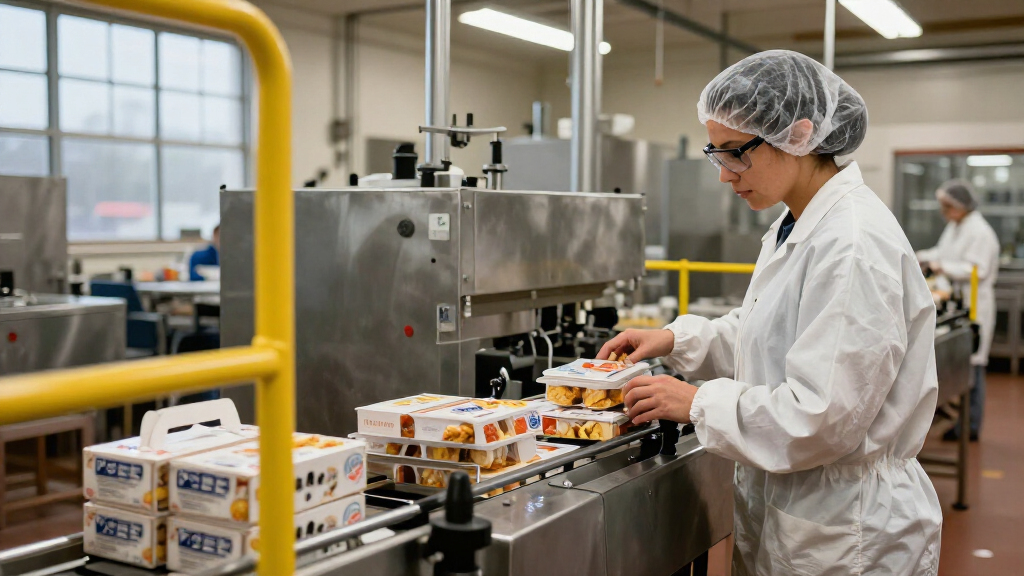
Nestlé plans to end production at its Solon, Ohio, factory by the third quarter of 2027 and close the factory by year-end. Pouch production for its foodservice business will move gradually to a Nestlé plant in Gaffney, South Carolina. The company has not said how many workers will be affected, and other operations on the Solon campus are set to remain.
Nestlé will close its Solon, Ohio, factory by the end of 2027, shifting production of pouches for its foodservice business to a plant in Gaffney, South Carolina. The company said production in Solon is expected to end by the third quarter of 2027; the move affects one part of the site, not the broader Solon campus.
The transfer of production will take place gradually over the coming months, Nestlé said. The company cited changing customer needs and production volumes, saying it plans to build on capabilities already available elsewhere in its manufacturing network. It described the decision as “the most sustainable path forward.”
Nestlé has not disclosed how many employees will be affected by the factory closure. The company said it plans to file a Worker Adjustment and Retraining Notification, or WARN notice, around March. The source report does not specify the year for that expected filing.
The factory is part of a wider Solon campus that Nestlé said will remain open. Research and development, corporate operations and several Nestlé businesses will continue there. The company also said it has nearly 3,000 employees across seven facilities in Ohio, placing the closure within a larger state presence rather than signaling a departure from Ohio.
What Changes for Solon Workers
The announcement sets a timeline for the end of manufacturing at the Solon factory, but its direct workforce impact is not yet known. Workers and local officials will need the employee count and details of the WARN filing to assess how many people may face layoffs and what notice period will apply.
The distinction between the factory and the broader campus matters for the local community. Nestlé says research, corporate operations and other businesses will remain in Solon, so the announcement does not amount to a full site shutdown. However, that does not establish whether remaining operations or staffing levels will change later.
For the company, moving the pouch line to Gaffney consolidates this production in a facility where Nestlé says capabilities already exist. The shift is part of an industry pattern of manufacturers adjusting their plant networks as they respond to costs, demand and changing product volumes, though Nestlé’s announcement does not quantify expected savings or describe the production capacity involved.
As an affiliate, we earn on qualifying purchases.
Earlier Solon Workforce Cuts
Nestlé announced in 2024 that it planned to lay off 216 workers at the Solon factory. At that time, the facility employed 780 people, according to the Food Dive report. Those figures provide a past staffing reference, not a confirmed count of employees affected by the newly announced closure; the company has not supplied a current workforce total for the factory.
The announcement also comes as Nestlé leaders have described challenges in North America. At a recent Barclays conference, CFO Anna Manz said “more needs to be done” to improve execution in the region. She identified creamers and Gerber, Nestlé’s infant and child nutrition brand, as underperforming and said growth in frozen foods was slowing.
Food Dive reported that food and beverage companies including PepsiCo, Tyson Foods, JBS, Danone and Mars had announced facility closures during 2026. That broader activity is industry context; the available reporting does not establish that those companies’ decisions share the same causes or are directly connected to Nestlé’s Solon plan.
“As customer needs and volumes evolve, we determined that building on capabilities already in place elsewhere in our network was the most sustainable path forward.”
— Nestlé, in a statement
Workforce Impact Still Unknown
Nestlé has not stated how many Solon factory employees will be affected, whether workers may be offered transfers to other roles or sites, or what support the company plans to provide. The 2024 layoff figure is historical and cannot be treated as a current headcount or as the number affected by this closure.
The company has given an expected end date for Solon production and a target for the factory closure, but the report does not specify the detailed schedule for moving production to Gaffney. It also does not provide production volumes, expected cost changes or a reasoned estimate of the closure’s local economic impact. The timing and contents of the planned WARN notice remain to be confirmed.
Production Moves Through 2027
Nestlé says the production transfer will proceed gradually over the coming months. The next stated milestone is the planned WARN filing around March; the company’s announcement, as reported, does not specify the year. That filing may provide more detail on affected workers and timing.
Production in Solon is expected to stop by the third quarter of 2027, followed by the factory’s closure by the end of that year. Nestlé has not announced changes to the wider Solon campus, which it says will continue to house research and development, corporate operations and several businesses.
Key Questions
When will Nestlé’s Solon factory close?
Nestlé expects production to end by the third quarter of 2027 and the factory to close by the end of 2027.
What production is moving from Ohio?
Production of pouches for Nestlé’s foodservice business will move from Solon to the company’s facility in Gaffney, South Carolina. The transfer is expected to happen gradually.
Will the entire Nestlé campus in Solon close?
No. Nestlé says the broader Solon campus will remain open, with research and development, corporate operations and several businesses continuing there. The announced closure concerns the factory.
How many employees will lose their jobs?
Nestlé has not disclosed how many employees will be affected. The company said it plans to file a WARN notice around March; the report does not specify the year.
Why is Nestlé closing the factory?
Nestlé cited changing customer needs and production volumes and said it would use capabilities already in place at its Gaffney facility. The company has not provided a detailed financial breakdown of the decision.
Source: rss
NFL season / tailgating Picks
team gear
As an affiliate, we earn on qualifying purchases.