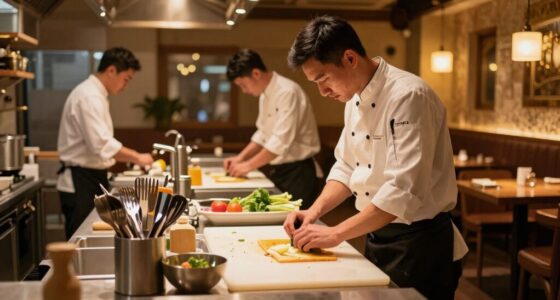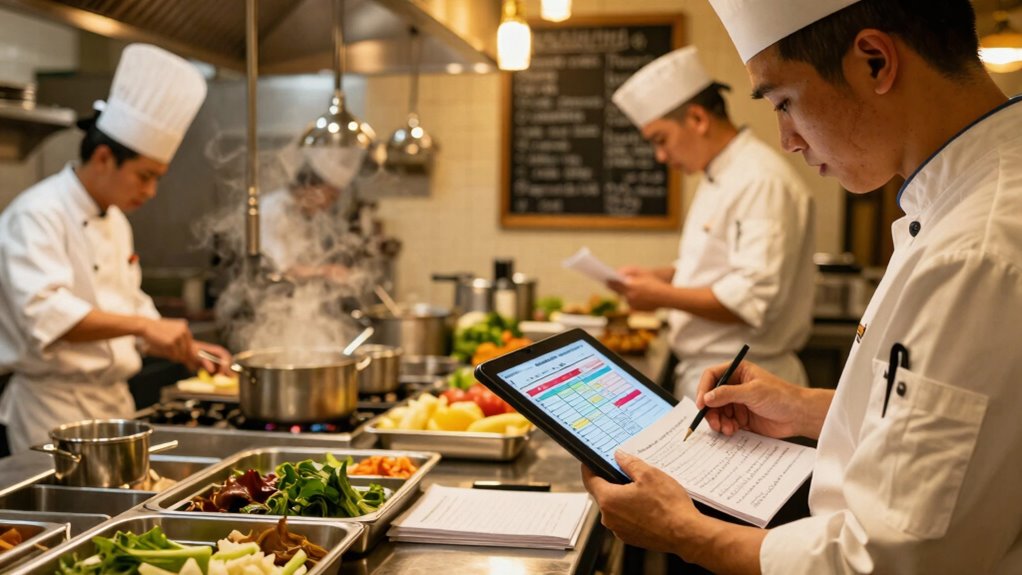

Great restaurants review operational friction weekly to catch small issues before they turn into bigger problems. This helps you stay proactive, ensuring smoother service, happier staff, and satisfied customers. Regular reviews identify bottlenecks, improve staff training, and incorporate the latest industry trends. By staying on top of these friction points, you’ll maintain high standards and adapt quickly to changing customer expectations. Keep exploring how continuous improvements can elevate your restaurant’s success.

Get kitchen staples and gadgets delivered free with Prime
- Fast, free delivery on millions of items
- Prime Video, Amazon Music and more included
- Member-only deals all year
Key Takeaways
- Weekly reviews identify small issues early, preventing them from escalating and disrupting service.
- Regular assessments ensure staff stay trained, efficient, and prepared for peak times and unexpected challenges.
- Monitoring data weekly helps optimize staffing, inventory, and workflows based on real-time insights.
- Continuous evaluation allows quick adoption of industry best practices and adaptation to market trends.
- Staying proactive through weekly reviews enhances customer experience and maintains a competitive edge.

Operational friction in restaurants often goes unnoticed until it disrupts service or hits the bottom line. That’s why you need to review these issues every week. Regular evaluations help catch small problems before they become big headaches, keeping your team running smoothly and your customers happy. One of the most effective ways to do this is through consistent staff training. When your team knows exactly what’s expected and stays updated on procedures, they can handle busy nights, special requests, and unexpected issues with confidence. Staff training isn’t a one-time event; it’s an ongoing process that guarantees everyone remains aligned and informed. When your staff is well-trained, they can work more efficiently, reducing errors and delays that cause operational friction. It’s also vital to leverage technology integration in your review process. Modern restaurant management tools can identify bottlenecks, track wait times, and monitor inventory levels in real-time. By reviewing data from these systems weekly, you gain insights into what’s working and what’s not. For example, if you notice slow order processing during certain shifts, you can adjust staffing or streamline procedures accordingly. Technology also streamlines communication between front-of-house and kitchen staff, minimizing misunderstandings and delays. When you combine staff training with technology integration, you create a feedback loop that continuously improves your operations. Training ensures your team can effectively use new tools, and the data from these tools highlights areas needing attention. This ongoing review process helps you spot small inefficiencies that might otherwise go unnoticed. It’s about creating a culture of continuous improvement, where every week’s review becomes an opportunity to optimize. **Implementing continuous improvement** fosters a **proactive approach to managing issues before they escalate. You’re not just reacting to problems; you’re proactively preventing them. Regular reviews also enable you to incorporate industry best practices and stay ahead of evolving customer expectations. By regularly evaluating operational friction, you can identify patterns and implement targeted solutions swiftly. This might mean retraining staff, adjusting workflows, or upgrading your tech systems. Either way, your goal is to keep things running smoothly, so your restaurant can deliver a consistent, high-quality experience. Reviewing operational friction weekly also ensures you stay ahead of industry trends and customer expectations. As technology evolves and customer preferences shift, your ability to adapt quickly gives you a competitive edge. Incorporating technological tools** into your review process allows for more precise identification of issues and faster resolution. Ultimately, it’s about being proactive rather than reactive—using staff training and technology integration as your tools to eliminate friction before it impacts your service or reputation. When you prioritize weekly reviews, you’re continuously fine-tuning your operations, making your restaurant more efficient, resilient, and ready for whatever challenges come next. Additionally, emphasizing operational friction as a key focus can lead to a more resilient and adaptable restaurant environment.
restaurant staff training manual
As an affiliate, we earn on qualifying purchases.
As an affiliate, we earn on qualifying purchases.
Frequently Asked Questions
How Do Restaurants Identify Hidden Operational Friction Points?
You identify hidden operational friction points by closely monitoring menu consistency and supply chain issues. Regularly review how well your staff executes dishes and if ingredients arrive on time and meet quality standards. Gather feedback from your team and customers, observe workflow bottlenecks, and analyze supply chain disruptions. These steps reveal hidden friction, helping you streamline operations, improve service, and maintain a seamless dining experience.
What Tools Are Most Effective for Tracking Weekly Operational Issues?
Did you know 85% of restaurant owners find technology integration essential for tracking issues? You’ll want tools like digital checklists and real-time communication apps to monitor weekly operational issues effectively. These tools boost staff communication, helping you identify friction points quickly. By consistently using such technology, you can streamline operations, resolve problems faster, and keep your restaurant running smoothly, ultimately enhancing customer experience and boosting your bottom line.
How Can Staff Be Trained to Reduce Operational Friction?
You can improve staff training by focusing on efficiency improvement techniques, such as hands-on practice and clear communication. Encourage ongoing learning through regular workshops and feedback sessions. Teach staff to identify operational friction points and address them proactively. By fostering a culture of continuous improvement, you empower your team to work more smoothly, reduce errors, and enhance overall restaurant performance, ensuring a better experience for both staff and guests.
What Role Does Customer Feedback Play in Reviewing Operational Friction?
Customer feedback plays a crucial role in reviewing operational friction. Your team can gather customer insights through surveys, reviews, and direct interactions, helping identify pain points. You should establish feedback loops to continuously analyze this data, enabling you to address issues promptly. By actively listening to your customers and integrating their feedback into your operational reviews, you guarantee smoother service, improved efficiency, and a better overall dining experience.
How Often Should Operational Friction Reviews Lead to Process Changes?
You should review operational friction and implement process changes weekly to stay agile. Regular reviews boost staff engagement, ensuring everyone feels involved and motivated to improve. Incorporate technology integration to identify bottlenecks quickly and streamline workflows. By making small, frequent adjustments, you prevent issues from escalating, maintain high service standards, and foster a proactive environment where continuous improvement becomes part of your restaurant’s culture.
Conclusion
Regularly reviewing operational friction keeps your restaurant running smoothly and boosts customer satisfaction. Did you know that restaurants that actively identify and address operational issues see a 20% increase in efficiency? By making weekly reviews a habit, you can catch small problems before they grow, ensuring a seamless experience for your guests. Stay proactive, stay responsive, and watch your restaurant thrive—because every friction point you fix is a step toward excellence.
NFL season / tailgating Picks
team gear
As an affiliate, we earn on qualifying purchases.