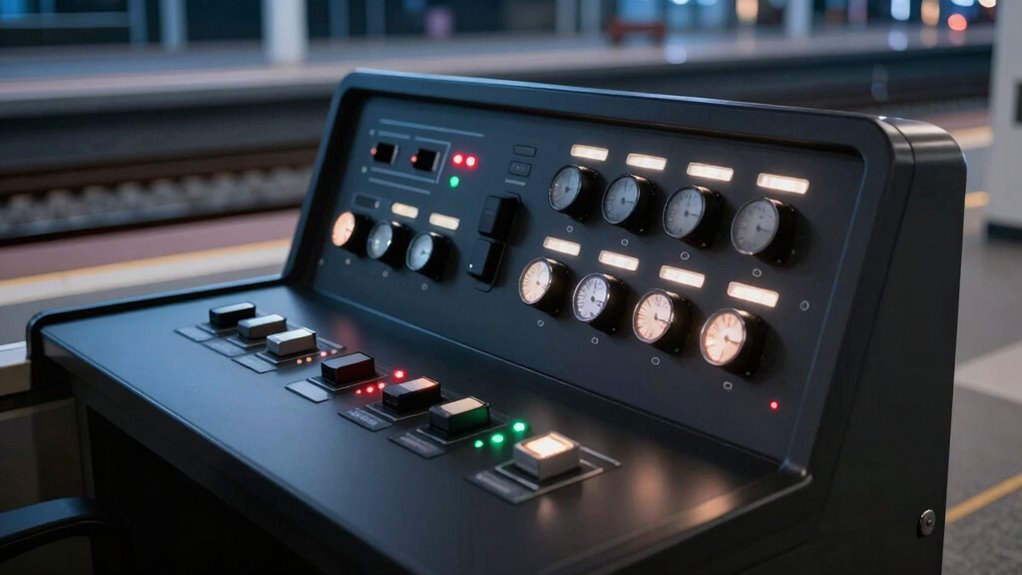

Side stations quietly control train service speeds through advanced remote monitoring systems and synchronized equipment. Sensors, cameras, and automated signals constantly track train positions, speeds, and conditions, allowing for real-time adjustments without disrupting the mainline flow. These stations coordinate signals and track switches to maintain safety and efficiency, especially during adverse weather or peak hours. If you want to discover more about how these systems work behind the scenes, keep exploring.

Get kitchen staples and gadgets delivered free — and shop member deals
- Fast, free delivery on millions of items
- Access to Prime Big Deal Days deals on October 6–7
- Prime Video, Amazon Music and more included
Key Takeaways
- Side stations regulate train speeds by coordinating signals and track switches behind the scenes, preventing disruptions on mainlines.
- Remote monitoring systems detect real-time train conditions, allowing automatic speed adjustments without manual intervention.
- Data analysis enables quick decisions to modify train speeds safely during adverse weather or peak traffic.
- Equipment synchronization ensures signals and safety devices work together for seamless speed control.
- Automated safety protocols adjust train speeds proactively, maintaining flow and safety during complex network operations.
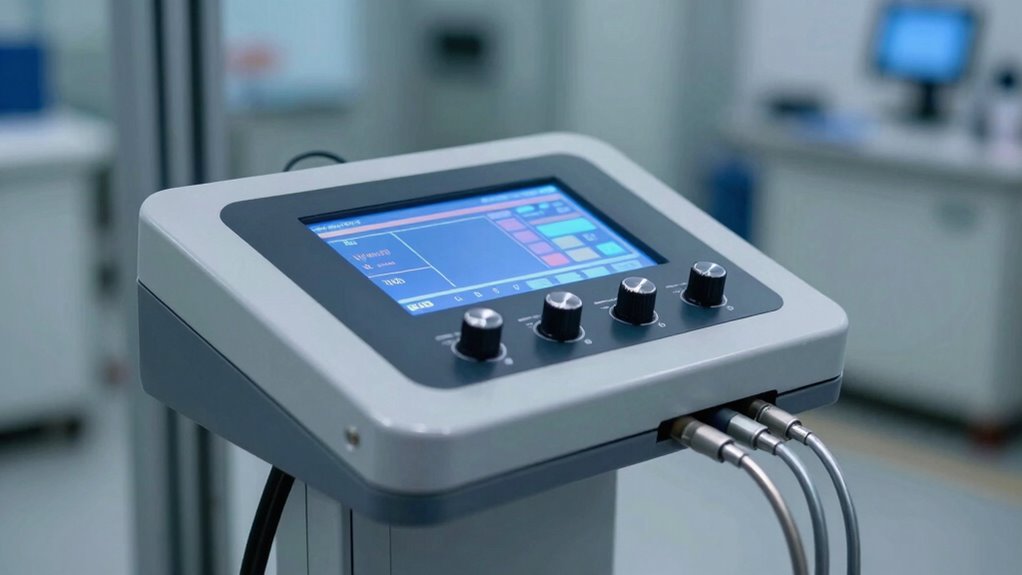
Side stations play a essential role in managing train traffic and improving overall service efficiency, especially when controlling service speeds. These stations act as strategic points along the rail network, allowing operators to regulate train movement without disrupting the mainline flow. When it comes to controlling service speeds, side stations use a combination of remote monitoring and equipment synchronization to maintain safety and punctuality. You might not notice their quiet, behind-the-scenes work, but they are indispensable in ensuring smooth operations.
Using remote monitoring, the control center keeps a close eye on trains as they approach and pass through side stations. Sensors and cameras relay real-time data about train positions, speeds, and conditions. This instant communication allows operators to assess whether a train needs to slow down or hold position, especially in busy or congested areas. Remote monitoring reduces the need for manual intervention, making speed adjustments faster and more precise. It also minimizes delays, because operators can respond to issues proactively rather than reactively. Remote monitoring systems are often integrated with automated safety features to enhance reliability. Additionally, these systems utilize real-time data analysis to optimize operational decisions and improve overall safety. Properly integrated systems also help in reducing the potential for human error during critical speed adjustments.
Equipment synchronization is another essential component that enhances speed control at side stations. Systems are designed to work together seamlessly, ensuring that signals, track switches, and safety devices coordinate flawlessly. When a train approaches a side station, the control system checks that all equipment is synchronized to facilitate safe and efficient speed adjustments. For example, if a train needs to reduce speed, signals are automatically set to indicate the new speed limit, and track switches are prepared for any route changes. This synchronization prevents conflicts and ensures a smooth transition, avoiding abrupt stops or unnecessary delays.
These technological integrations also help in managing service speeds during peak hours or in adverse weather conditions. When visibility is poor or tracks are wet, the system can automatically reduce train speeds to prevent accidents. Because everything is linked and monitored remotely, you don’t have to worry about manual errors or delays in communication. The system ensures that safety protocols are followed precisely, and adjustments are made in a timely manner. Efficient coordination is crucial for maintaining optimal train flow and safety in complex rail networks.
railway remote monitoring system
As an affiliate, we earn on qualifying purchases.
As an affiliate, we earn on qualifying purchases.
Frequently Asked Questions
How Do Side Stations Detect Changes in Service Speed?
You can see that side stations detect changes in service speed through sensor technology, which monitors the movement and timing of the trains. These sensors send real-time data to the control system. Signal synchronization then guarantees that the train’s speed adjusts smoothly, maintaining safe distances and consistent service. This seamless communication allows the side stations to quietly and effectively control service speed without disrupting the overall flow.
Are Side Stations Used in All Types of Railway Systems?
Side stations aren’t used in all railway systems. Historically, their evolution was driven by technological advancements that improved signaling and control. In modern systems, they remain essential in complex networks for managing train movements and ensuring safety, especially where centralized control isn’t enough. However, some high-speed or automated railways rely on advanced centralized systems, reducing the need for side stations. Your railway’s design depends on its specific operational requirements and technological infrastructure.
What Safety Measures Are in Place for Side Station Operations?
You rely on automated safety systems and strict emergency protocols at side stations to keep operations secure. These measures include sensors that detect issues instantly, automatic brakes triggering when unsafe conditions arise, and clear procedures for staff to follow during emergencies. This layered safety approach quietly safeguards both personnel and passengers, ensuring that even in unforeseen situations, the station maintains control without compromising safety or service continuity.
How Do Side Stations Communicate With Main Control Centers?
You rely on remote monitoring and signal synchronization to keep communication seamless between side stations and main control centers. These systems transmit real-time data, status updates, and alerts, ensuring smooth coordination. By maintaining synchronized signals, your control center can promptly adjust operations, respond to issues, and optimize service speeds. This setup allows for efficient, silent communication, reducing delays and enhancing overall safety and reliability in your transportation network.
Can Side Stations Operate Independently of the Main Station?
Yes, side stations can operate independently of the main station thanks to remote signaling and power redundancy. You’ll find that they’re equipped with backup power sources, allowing them to maintain functionality even if the main station experiences issues. Remote signaling enables these stations to communicate with the main control system when needed, but they’re designed to handle critical operations on their own, ensuring continuous service and safety without constant main station oversight.
Conclusion
Now that you see how side stations subtly influence service speed, imagine what happens behind the scenes. Their quiet control can make or break efficiency without anyone noticing. Will you uncover the hidden mechanisms at play next time you ride or work through the system? Or will they continue operating in the shadows, guiding the flow with silent precision? The true power of side stations remains a secret—until you decide to look closer.
Fall Picks
fall essentials
As an affiliate, we earn on qualifying purchases.