You might think guests only care about the cooler’s appearance, but the real key is how well it maintains precise temperatures. High-quality insulation and multiple temperature zones help you keep drinks at their ideal serving temps, preventing fluctuations that can spoil flavors. Properly managing this guarantees beverages stay fresh and perfect for your guests. When you focus on the technical details, you’ll create a consistently superior experience that goes beyond just looks—there’s more to discover ahead.

Get kitchen staples and gadgets delivered free — and shop member deals
- Fast, free delivery on millions of items
- Access to Prime Big Deal Days deals on October 6–7
- Prime Video, Amazon Music and more included
Key Takeaways
- Proper insulation maintains consistent internal temperatures, ensuring beverages are served at their optimal flavor profiles.
- Multiple temperature zones allow for tailored storage of different drinks, enhancing guest experience and beverage quality.
- Accurate temperature control prevents fluctuations that can compromise wine and beverage integrity over time.
- Well-designed beverage programs with precise temperature management reduce spoilage and extend shelf life.
- High-quality insulation minimizes energy use, improving efficiency and reducing operational costs while maintaining ideal temperatures.
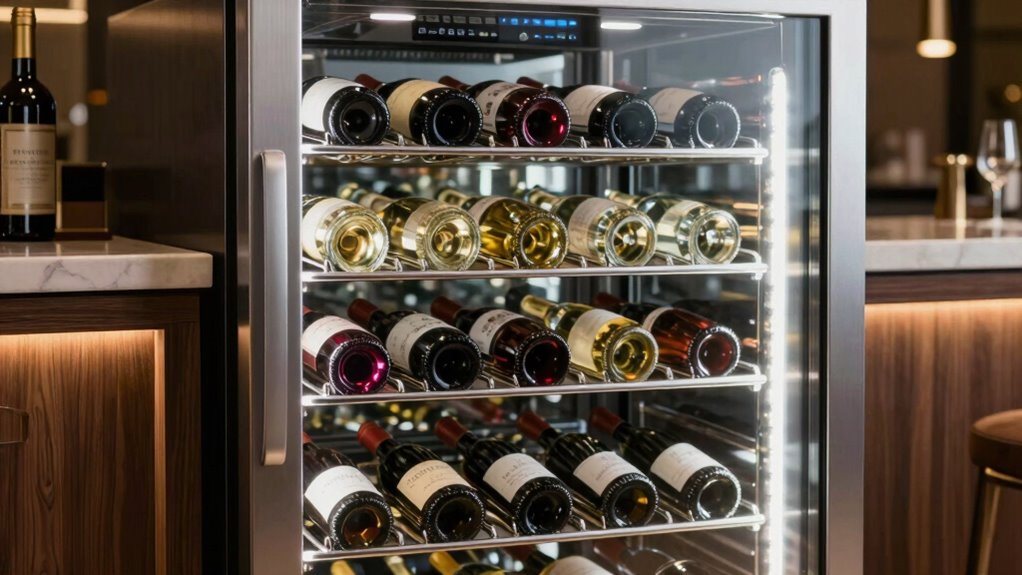
Have you ever wondered how wine coolers and beverage programs can elevate your hospitality or entertainment space? The secret lies in the details that guests often overlook—like the way your wine cooler maintains perfect temperatures. Proper glass insulation plays a crucial role here, preventing heat transfer and ensuring your wines stay at their ideal temperatures without excess energy use. When you choose a cooler with excellent glass insulation, you’re investing in consistent temperature control that keeps your bottles safe from temperature fluctuations caused by external heat sources. This not only preserves the quality of your wine but also reduces the workload on your cooling system, saving you money in the long run.
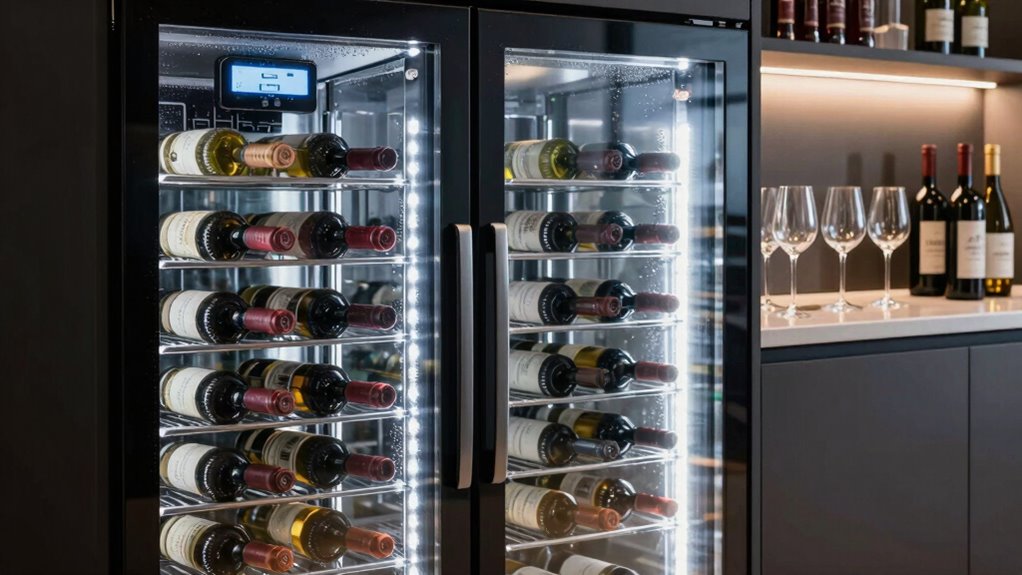
Beyond insulation, understanding temperature zones within your beverage setup is vital. Many modern wine coolers and beverage stations are designed with multiple temperature zones, allowing you to store different types of drinks at their optimal temperatures. For instance, red wines are best served slightly warmer than whites, which require cooler settings. By setting distinct temperature zones, you give yourself the flexibility to serve a variety of beverages at their peak flavor profile without constantly adjusting the entire cooler. This separation also prevents cross-contamination of flavors, ensuring every drink maintains its intended taste. Additionally, precise temperature control is essential for maintaining beverage quality and guest satisfaction. Proper internal temperature regulation can further enhance the stability of your storage environment, making sure your beverages are always ready to serve. Regularly monitoring these settings can help you avoid temperature fluctuations, which may compromise your beverages’ quality.
When your beverage program is built around well-maintained temperature zones, you’re providing guests with a more refined experience. Imagine pouring a perfectly chilled white wine from one zone and then switching to a room-temperature spirit from another—your setup keeps everything at the right temperature with minimal effort. Properly managed zones also help prevent spoilage and extend the shelf life of your beverages, especially for wines that need precise storage conditions. You’ll notice fewer inconsistencies and better overall product quality, which impresses your guests and encourages repeat visits.
In your pursuit of the perfect beverage program, don’t underestimate the importance of thoughtful design. Select a wine cooler with high-quality glass insulation and multiple temperature zones to ensure your drinks are always served at their best. Maintaining these conditions might seem like a minor technical detail, but it’s the foundation upon which a memorable hospitality experience is built. Additionally, a well-insulated cooler enhances energy efficiency, reducing long-term operational costs. Incorporating proper insulation can also help regulate internal temperatures more effectively, further stabilizing your storage environment. When temperature matters more than guests realize, your attention to these specifics sets you apart, turning an ordinary beverage service into an extraordinary one. By prioritizing proper insulation and well-managed temperature zones, you’re not just storing drinks—you’re elevating your entire hospitality environment.
wine cooler with multiple temperature zones
As an affiliate, we earn on qualifying purchases.
As an affiliate, we earn on qualifying purchases.
Frequently Asked Questions
How Often Should Wine Coolers Be Serviced for Optimal Performance?
You should service your wine cooler at least twice a year for peak performance. Regular cooler maintenance helps maintain proper temperature, ensuring wine preservation and preventing issues like mold or odors. Check the seals, clean the coils, and keep vents unobstructed. Consistent servicing keeps your wine cooler running efficiently, preserves your wine’s quality, and extends its lifespan. Don’t neglect these routine steps; your wine will thank you with perfect tasting conditions.
What Are the Energy Efficiency Considerations for Commercial Wine Coolers?
You should prioritize energy efficiency by choosing wine coolers with high insulation quality, which helps reduce energy savings. Regularly maintaining the seals and ensuring proper door closure also minimizes energy waste. Opt for models with energy-efficient compressors and LED lighting to further cut power usage. Good insulation and proper maintenance keep the cooler running efficiently, saving you money while keeping your wine at the perfect temperature.
Can Wine Coolers Be Used for Non-Alcoholic Beverages?
You can definitely use wine coolers for non-alcoholic beverage storage, and their cooler versatility makes them a smart choice. Coincidentally, many beverage options, like juices or soda, benefit from precise temperature control. This guarantees freshness and quality, just like with wine. So, whether you’re invigorating your guests or keeping non-alcoholic drinks chilled, wine coolers adapt easily, offering a practical solution for various beverage needs.
What Is the Ideal Humidity Level Inside a Wine Cooler?
You should aim for a humidity level of around 50-70% inside your wine cooler. Proper humidity control helps maintain ideal storage conditions, preventing corks from drying out and mold growth. Keep the humidity consistent to guarantee your beverages stay fresh and well-preserved. Regularly monitor and adjust humidity settings if your cooler allows, ensuring your wine or beverages experience suitable storage conditions for long-term quality.
How Do Different Wine Types Require Specific Temperature Settings?
Different wine types require specific temperature settings for ideal wine storage and temperature regulation. Red wines thrive at 60-65°F, preserving richness and aroma; white wines prefer cooler, 45-50°F, maintaining crispness and freshness; sparkling wines need even colder, around 40-45°F, to retain their bubbles and lively character. By adjusting your cooler’s temperature, you guarantee each wine type is stored at its perfect condition, enhancing flavor and quality every time.
Conclusion
Remember, managing your wine coolers and beverage programs is like tuning a fine instrument—you need the right temperature to hit the perfect note. When you prioritize precise temperature control, you create a harmonious experience that guests can’t see but definitely can taste. Don’t let your beverage program be a jarring discord; instead, keep it smooth and consistent. In the end, attention to temperature turns ordinary drinks into an unforgettable symphony of flavors.
NFL season / tailgating Picks
team gear
As an affiliate, we earn on qualifying purchases.