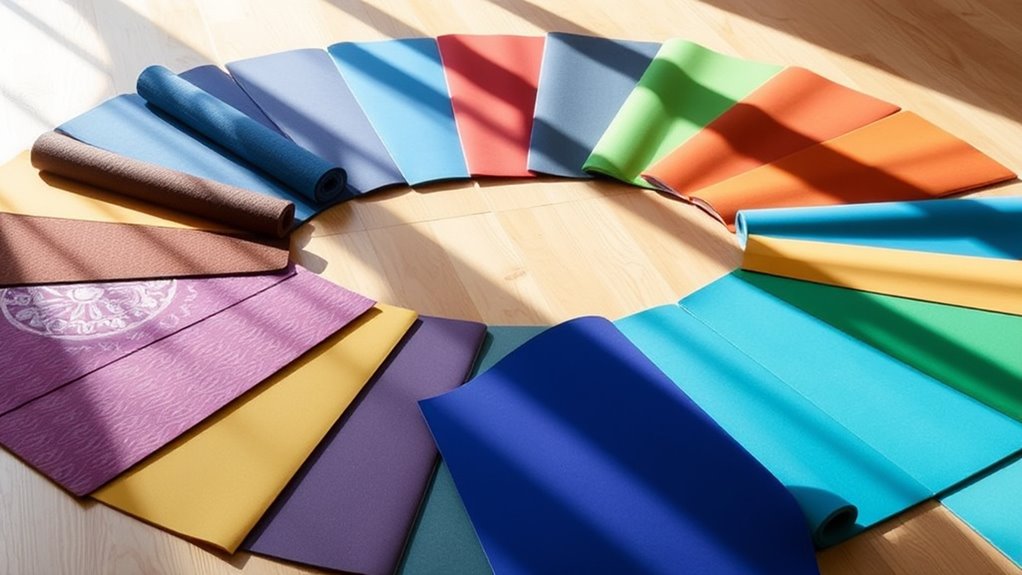

Choosing a premium yoga mat that offers excellent joint support requires balancing cushioning, grip, and durability. For 2026, I’ve identified three standout options: the Gaiam Yoga Mat, perfect for those seeking extra cushioning and eco-friendly features; the Premium Yoga Mat with PU grip, ideal for sweaty practices and added stability; and the Manduka PRO, renowned for unmatched durability and comfort. Each offers unique advantages, but all involve tradeoffs such as weight, material concerns, or initial odor. Here’s how these choices stack up for different needs.

Get kitchen staples and gadgets delivered free with Prime
- Fast, free delivery on millions of items
- Prime Video, Amazon Music and more included
- Member-only deals all year
Complete the kit


Key Takeaways
- The Gaiam Yoga Mat excels in cushioning but uses PVC, which may concern eco-conscious users.
- The Premium PU grip mat offers superior non-slip performance, especially when sweaty, with a slightly heavier build.
- Manduka PRO provides legendary durability and stability, though it’s the heaviest option.
- Thickness and material choice directly impact joint support and portability.
- All three mats are designed to enhance joint comfort, but user priorities like eco-friendliness or weight will determine the best fit.
| Gaiam Yoga Mat – 6mm Reversible Non-Slip Exercise & Fitness Mat, 68″ x 24″ |  | Best Overall for Cushioning and Eco-Friendliness | Dimensions: 68″ x 24″ x 6mm | Material: PVC | Thickness: 6mm | VIEW ON AMAZON | See Our Full Breakdown |
| Premium Yoga Mat – Sweat-Activated Non-Slip PU Grip with Natural Rubber Base, 4mm |  | Best for Sweaty, High-Performance Practices | Material: PU surface with natural rubber base | Thickness: 4mm | Size: 72″ x 27″ | VIEW ON AMAZON | See Our Full Breakdown |
| Manduka PRO Yoga Mat – 6mm |  | Best for Durability and Long-Term Support | Thickness: 6mm | Size: 85 x 26 inches | Weight: 9.5 lbs | VIEW ON AMAZON | See Our Full Breakdown |
| premium yoga mats for joint support | Material | Thickness | Size | Weight |
|---|---|---|---|---|
| Gaiam Yoga Mat | PVC | 6mm | — | — |
| Premium Yoga Mat | PU surface with natural rubber base | 4mm | 72" x 27" | 6 lbs |
| Manduka PRO Yoga Mat | OEKO-TEX certified PVC, latex-free | 6mm | 85 x 26 inches | 9.5 lbs |
More Details on Our Top Picks
Gaiam Yoga Mat – 6mm Reversible Non-Slip Exercise & Fitness Mat, 68″ x 24″
The Gaiam Yoga Mat stands out for its 6mm thickness, offering ample cushioning to protect joints during intense poses or floor exercises. Its reversible textured surface enhances grip, a key feature when transitioning between poses or practicing on slippery surfaces. While the PVC material provides stability and durability, it may emit a mild odor initially, and some users might prefer a more eco-friendly option. This mat strikes a good balance between comfort and grip, making it suitable for those prioritizing joint protection, though it’s less ideal for eco-conscious practitioners.
Pros:- Extra thick cushioning for joint support
- Reversible textured surface for better grip
- Includes free downloadable yoga workout
Cons:- May have a harmless odor when first unwrapped
- Made from PVC, less eco-friendly
Best for: Practitioners seeking extra cushioning and a reversible surface for versatile grip
Not ideal for: Eco-conscious users or those sensitive to PVC odors
- Dimensions:68″ x 24″ x 6mm
- Material:PVC
- Thickness:6mm
- Reversible:Yes
- Non-slip surface:Yes
- Free yoga class:Included
Our verdict“A versatile, cushioned mat ideal for joint support with a reversible grip surface, perfect for beginners and casual practitioners.”
Premium Yoga Mat – Sweat-Activated Non-Slip PU Grip with Natural Rubber Base, 4mm
This Premium Yoga Mat is designed with a non-slip PU surface that grips firmly even during intense, sweat-heavy sessions. Its 4mm thickness offers solid joint support without feeling too cushioned, making it ideal for users who want stability without excess bulk. The natural rubber backing enhances grip and prevents slipping on various floor types. While its toxin-free materials and easy maintenance are pluses, the natural rubber scent can be noticeable initially, and its heavier weight at 6 pounds may be less portable for some users. It’s a solid pick for practitioners who need reliable grip and support during vigorous routines.
Pros:- Excellent non-slip grip even when sweaty
- Good cushioning and stability at 4mm thickness
- Extra-wide for comfortable stretching
- Made from toxin-free, easy-to-clean materials
Cons:- Initial scent of natural rubber
- Heavier than some mats at 6 lbs
Best for: Practitioners doing hot yoga, Pilates, or strength training who need superior grip
Not ideal for: Those who prefer lightweight, highly portable mats or are sensitive to rubber scents
- Material:PU surface with natural rubber base
- Thickness:4mm
- Size:72″ x 27″
- Weight:6 lbs
- Color:Elevated colors
Our verdict“Best suited for active practitioners who require a non-slip, stable surface with moderate cushioning, especially in hot or sweaty environments.”
Manduka PRO Yoga Mat – 6mm
The Manduka PRO is renowned for its exceptional durability and dense cushioning, making it a favorite among teachers and serious practitioners. Its 6mm thickness provides substantial joint protection, while the non-slip dot pattern ensures stability during even the most challenging poses. Made from OEKO-TEX certified PVC and latex-free, it addresses concerns about toxins, but its weight—nearly 10 pounds—limits portability. While it may not be the easiest to carry around, its longevity and support make it a worthwhile investment for those practicing frequently or in studio settings where durability matters most.
Pros:- Legendary durability and stability
- Premium cushioning for joint protection
- Non-slip dot pattern for safety
Cons:- Heavy weight reduces portability
- PVC material may be less eco-friendly
Best for: Experienced practitioners and teachers needing a durable, long-lasting mat
Not ideal for: Travelers or those seeking a lightweight, eco-friendly option
- Thickness:6mm
- Size:85 x 26 inches
- Weight:9.5 lbs
- Material:OEKO-TEX certified PVC, latex-free
- Color:Not specified
Our verdict“Ideal for committed practitioners who prioritize longevity, support, and stability over weight and portability.”

How We Picked
In selecting these mats, I prioritized cushioning for joint protection, non-slip performance, and durability for longevity. I compared material safety, weight, and size, focusing on how each product balances support with practical considerations like portability and eco-friendliness. User reviews and expert insights also guided the rankings, ensuring each mat offers distinct advantages for different types of practitioners.
| premium yoga mats for joint support | Material | Color |
|---|---|---|
| Gaiam Yoga Mat | PVC | — |
| Premium Yoga Mat | PU surface with natural rubber base | Elevated colors |
| Manduka PRO Yoga Mat | OEKO-TEX certified PVC, latex-free | Not specified |
Factors to Consider When Choosing Premium Yoga Mats For Joint Support
Selecting a premium yoga mat for joint support means considering several factors. The right choice depends on your practice intensity, preferences for eco-friendliness, portability needs, and whether you sweat a lot during sessions. A thicker mat generally offers better cushioning, but may be less portable. Material safety and grip quality are equally important, especially for vigorous routines. Here, I break down what to look for to find the best fit for your routine and preferences.
Cushioning and Thickness
Thicker mats, usually 6mm or more, provide more padding, which helps absorb impact and protect your joints during poses. However, overly thick mats can compromise stability, especially for balancing poses. For joint support, I recommend at least 4mm, with 6mm offering extra comfort but added weight and bulk. Consider your practice style: if you move often or need portability, a thinner mat might be more practical.
Material and Eco-Friendliness
The material impacts both safety and environmental impact. PVC mats are durable and affordable but may concern eco-conscious users due to their non-biodegradable nature. Natural rubber offers excellent grip and biodegradability but can emit initial scents. Toxin-free options like PU or OEKO-TEX certified PVC help balance safety and performance. Think about whether eco-friendliness or chemical sensitivities matter most to you.
Grip and Stability
Good grip prevents slipping, especially when sweating. Mats with textured surfaces or non-slip coatings excel here. For high-intensity or hot yoga, a mat that maintains grip even when moist is vital. Thicker mats sometimes compromise grip, so look for textured surfaces or materials designed for stability. Testing for grip during sweaty routines ensures safety and confidence in your poses.
Portability and Weight
If you practice in multiple locations or travel often, weight and size matter. Heavier mats like the Manduka PRO offer durability but can be cumbersome. Lightweight options, such as the Gaiam, are easier to carry but might sacrifice some support. Balance your needs for support and convenience based on how often and where you practice.
Frequently Asked Questions
What thickness is best for joint support?
Generally, a thickness of 6mm provides ample cushioning to protect joints without sacrificing too much stability. Thinner mats (around 4mm) can still support joints but may offer less impact absorption. The ideal thickness depends on your specific needs—those with sensitive joints or practicing on hard floors benefit from the thicker options.
Are eco-friendly mats better for joint support?
Eco-friendly mats like natural rubber or toxin-free PVC can offer excellent grip and cushioning, contributing to joint support. However, their primary advantage is safety and environmental impact rather than superior cushioning. The key is selecting a material that combines safety, grip, and sufficient thickness for your practice.
How important is grip for joint support?
Grip is crucial because slipping can lead to improper alignment or injury, especially on hard or sweaty surfaces. A non-slip surface ensures stability, allowing you to focus on alignment and pressure distribution, which directly benefits joint health and reduces strain during practice.
Should I prioritize weight or durability?
If portability is your priority, lightweight mats are better, but they might wear out faster or offer less support. For frequent practice or studio use, durability becomes more important, even if it means carrying a heavier mat. Balancing these factors depends on how often and where you practice.
Can I use any mat for joint support?
Not all mats are created equal in supporting joints. Look for mats with sufficient thickness, good grip, and durable materials. Cheaper or thinner mats might save money upfront but can compromise joint safety over time. Prioritizing quality materials and appropriate thickness ensures your joints are well protected during every session.
Conclusion
If you’re a casual practitioner or beginner seeking extra cushioning and eco-conscious options, the Gaiam Yoga Mat offers great support with reversible grip. For those practicing hot yoga or intense routines requiring a non-slip, sweat-resistant surface, the Premium PU grip mat is ideal. Serious practitioners or teachers who need a durable, long-lasting solution should consider the Manduka PRO. Your choice hinges on your practice style, environmental preferences, and portability needs.
Fall Picks
fall essentials
As an affiliate, we earn on qualifying purchases.