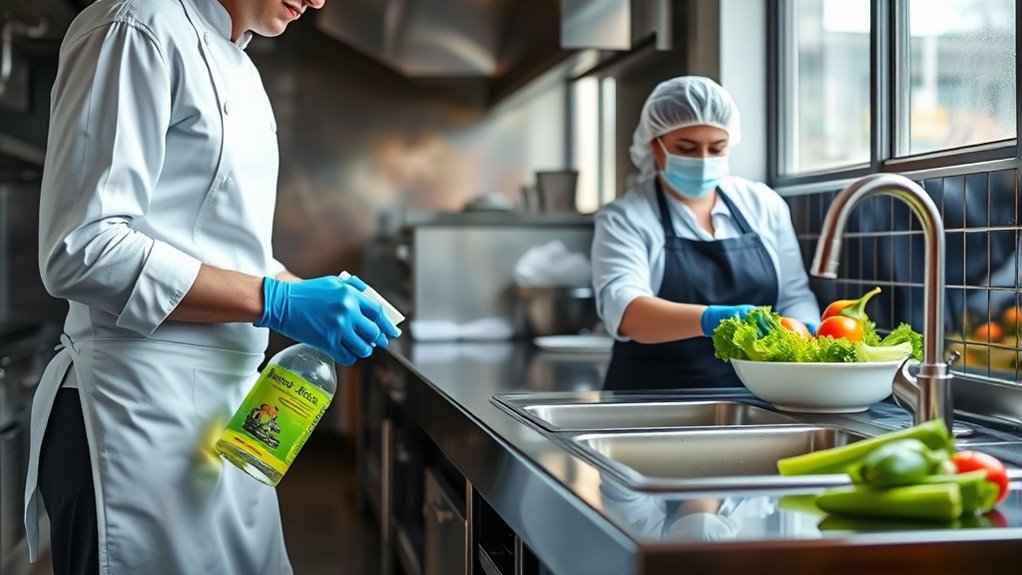

To prevent norovirus in your restaurant, prioritize proper hand hygiene by encouraging staff to wash for at least 20 seconds with soap and warm water after handling raw food, using the restroom, or touching contaminated surfaces. Make certain everyone understands handwashing protocols and stays home if they’re sick. Promote a culture of accountability with regular training and visual reminders. Focusing on these hygiene practices helps protect your customers and staff, and there’s more to know for lasting safety.
Open a free Amazon Business account
Business pricing, bulk buying and tax-exempt orders.
As an affiliate, we earn on qualifying purchases.
Key Takeaways
- Enforce strict handwashing protocols with at least 20 seconds of soap and warm water, especially after handling raw food or restroom use.
- Train staff regularly on proper hygiene practices, emphasizing the importance of staying home when ill.
- Use visual reminders and posters near sinks to reinforce correct handwashing techniques and sanitation procedures.
- Maintain a culture of accountability and consistent sanitation to prevent cross-contamination and virus spread.
- Implement comprehensive infection control measures, including proper glove use and surface disinfection, to reduce norovirus transmission risks.
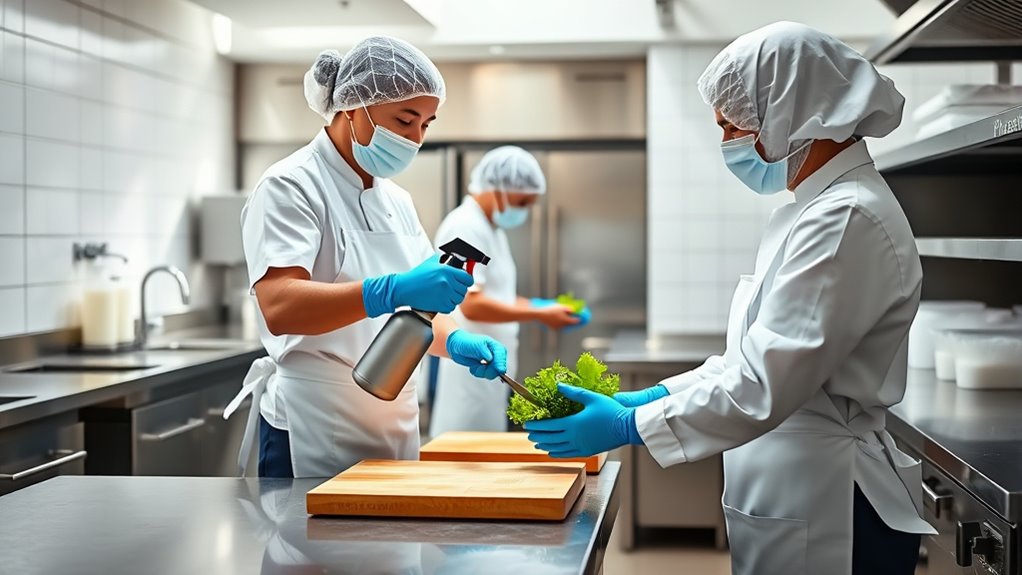
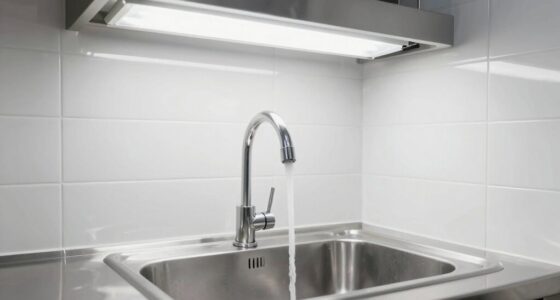
Norovirus is a leading cause of foodborne illness in restaurants, and preventing its spread is essential for protecting your customers and staff. One of the most effective ways to do this is by implementing strict handwashing protocols. You need to ensure that every employee understands the importance of proper hand hygiene and follows specific steps to reduce contamination. Handwashing protocols should include washing hands with soap and warm water for at least 20 seconds, especially after handling raw food, using the restroom, or touching surfaces that may be contaminated. Drying hands thoroughly with disposable paper towels or air dryers is equally important, as damp hands can transfer viruses more easily. You should also encourage frequent handwashing, ideally before every shift, after breaks, and during the workday whenever contamination risk increases. Visible reminders, such as posters near sinks, can reinforce these habits and keep hand hygiene top of mind.
However, having protocols in place isn’t enough if your staff isn’t properly trained. Employee training plays a crucial role in preventing norovirus outbreaks. You need to provide thorough instruction on why handwashing is essential, how to perform it correctly, and when it’s necessary. Regular training sessions help keep the importance of hygiene fresh in your team’s minds and ensure everyone understands the procedures. Training should cover not just handwashing but also other sanitation practices, such as sanitizing work surfaces and avoiding cross-contamination. It’s beneficial to demonstrate proper techniques and provide visual cues, so employees know exactly what to do. Reinforce that anyone feeling ill should stay home, especially if they have symptoms like vomiting or diarrhea, as they could unknowingly spread the virus. Incorporating training on the significance of effective hand hygiene can further emphasize its role in infection control.
You should also establish a culture of accountability, where employees feel responsible for maintaining hygiene standards and feel comfortable reminding each other to follow protocols. Regularly reviewing these practices and providing updates during staff meetings keeps everyone aware and engaged. Additionally, consider incorporating refresher training periodically to address any gaps and adapt to new guidelines. When your team understands the significance of proper handwashing protocols and is well-trained, you drastically reduce the risk of norovirus transmission. It’s about creating habits that become second nature—protecting your customers, maintaining a safe environment, and safeguarding your restaurant’s reputation. Consistent enforcement of these practices ensures that infection control is embedded into your daily operations, making your establishment a safer place for everyone.
As an affiliate, we earn on qualifying purchases.
Frequently Asked Questions
How Long Does Norovirus Survive on Surfaces?
Norovirus can survive on surfaces for days to weeks, depending on the material and conditions. You should know that surface longevity varies; it can persist longer on non-porous surfaces like stainless steel or plastic, increasing contamination persistence. Regular cleaning with effective disinfectants is essential to reduce the risk. To keep your environment safe, frequently sanitize high-touch areas and wash hands thoroughly, especially after handling food or touching surfaces.
Can Norovirus Be Transmitted Through Food Packaging?
Yes, norovirus can be transmitted through food packaging if it becomes contaminated, posing a food safety risk. You should always practice good hygiene, such as washing hands thoroughly after handling packaging, to prevent packaging contamination. Avoid touching your face after handling packages, and regularly clean and disinfect surfaces. Proper food safety measures help minimize the risk of norovirus spreading through contaminated packaging and protect your customers.
What Are the Early Signs of Norovirus Outbreaks?
You’ll know an outbreak is imminent when you notice rapid symptom recognition, like sudden vomiting or diarrhea spreading among staff and customers. These are vital outbreak indicators that something serious is happening. Early signs can be subtle—such as nausea or stomach cramps—but acting fast is essential to prevent a disaster of epic proportions. Stay vigilant, observe any unusual illness patterns, and respond immediately to contain the spread before it spirals out of control.
Are There Specific Cleaning Agents Effective Against Norovirus?
You should use effective disinfectants that are proven to eliminate norovirus, such as those containing chlorine bleach or hydrogen peroxide. Sanitizing agents with EPA-registered claims against norovirus are vital in cleaning surfaces thoroughly. Make sure you follow the manufacturer’s instructions for contact time and proper application. Regularly disinfect high-touch areas like doorknobs, countertops, and sinks to prevent the virus from spreading, especially during outbreaks.
How Often Should Restaurant Staff Be Trained on Norovirus Prevention?
You should schedule staff refresher training on norovirus prevention at least annually. Regular training keeps everyone up-to-date on best practices, proper handwashing, and cleaning protocols. Incorporate refresher sessions more frequently if there are staffing changes or outbreaks. Consistent training reinforces the importance of hygiene and safety, reducing the risk of norovirus transmission. Confirm your team understands the latest guidelines and maintains high standards for food safety and sanitation.
Conclusion
By following proper hygiene, cleaning, and food handling procedures, you can greatly reduce the risk of norovirus outbreaks in your restaurant. Remember, an ounce of prevention is worth a pound of cure—staying vigilant now saves you trouble later. Keep your staff trained, maintain high standards, and act quickly at the first sign of illness. Ultimately, a clean and healthy environment protects your reputation and keeps your customers safe.
NFL season / tailgating Picks
team gear
As an affiliate, we earn on qualifying purchases.