
To set up a waste tracking program, start by cataloging all waste types and establishing clear documentation procedures from waste generation to disposal. Use digital tools or software to guarantee real-time data collection and consistency. Analyze the collected data regularly to identify trends, potential issues, and opportunities for improvement. Conduct audits and use alerts for safety and regulatory compliance. Continuing will reveal how these steps help optimize waste management and support environmental goals.

Get kitchen staples and gadgets delivered free with Prime
- Fast, free delivery on millions of items
- Prime Video, Amazon Music and more included
- Member-only deals all year
Key Takeaways
- Establish clear procedures for cataloging waste types, quantities, and documentation from generation to disposal.
- Implement digital tools or software for real-time data collection, entry, and streamlining waste management processes.
- Analyze waste data regularly to identify trends, inefficiencies, and compliance risks for informed decision-making.
- Conduct audits and set up automated alerts to ensure data accuracy, safety standards, and regulatory adherence.
- Use insights from data analysis to optimize waste reduction strategies, recycling efforts, and enhance environmental sustainability.
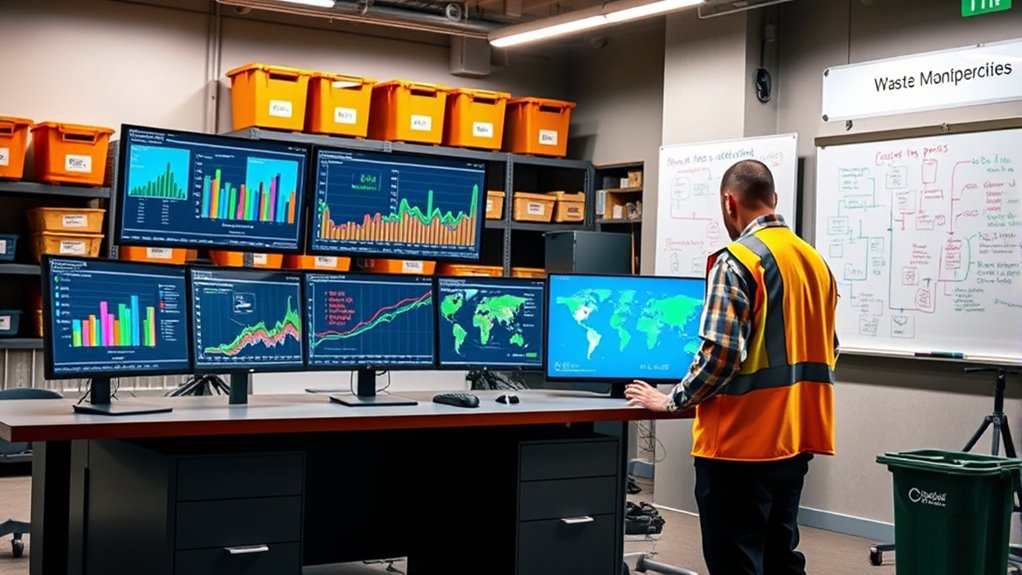
Have you ever wondered how organizations monitor and manage their waste? It’s a critical process, especially when it comes to hazardous waste, which can pose serious health and environmental risks if not handled properly. Implementing a waste tracking program helps you stay compliant with regulations, minimize environmental impact, and improve operational efficiency. At the core of an effective program is robust data analytics, which allows you to analyze waste generation patterns, identify areas for improvement, and make informed decisions. When setting up a waste tracking system, you need to start with accurate data collection. This involves cataloging the types and quantities of waste produced, including hazardous waste, and establishing clear procedures for documenting waste movements from generation to disposal. Consistent data entry is essential, ensuring that all waste streams are tracked in real-time and any incidents or irregularities are promptly flagged. Utilizing digital tools or specialized software can streamline this process, providing centralized access to waste data and reducing manual errors. Additionally, understanding projector technology can help you select appropriate tools for visualizing waste data effectively.
Once your data collection system is in place, the next step is to leverage data analytics to interpret the information. By analyzing waste data, you can uncover trends, such as seasonal fluctuations in hazardous waste production or recurring disposal challenges. This analysis helps you optimize waste management practices, reduce unnecessary waste, and improve recycling or reuse efforts. For hazardous waste, data analytics can highlight potential compliance issues, such as exceeding disposal limits or improper storage conditions, allowing you to address these problems proactively. It also enables you to prioritize disposal methods that are environmentally safer and cost-effective. Moreover, analytics can generate detailed reports for regulatory agencies, demonstrating your organization’s commitment to responsible waste management and helping you avoid penalties.
A well-structured waste tracking program also incorporates regular audits and reviews. These checks verify the accuracy of data, ensure adherence to safety protocols, and identify opportunities for process improvements. Integrating automated alerts for hazardous waste thresholds or irregularities adds an extra layer of safety, preventing accidental over-accumulation or mishandling. As you mature your waste management system, continuous data analysis becomes crucial. It provides insights that can lead to innovative waste reduction initiatives and sustainability goals. Over time, you’ll develop a thorough understanding of your waste streams, which empowers you to make smarter, data-driven decisions that benefit both your organization and the environment. In short, a well-designed waste tracking program, fueled by effective data analytics, transforms waste management from a compliance obligation into a strategic advantage.
As an affiliate, we earn on qualifying purchases.
Frequently Asked Questions
How Does Waste Tracking Improve Environmental Compliance?
Waste tracking helps you improve environmental compliance by providing accurate data on waste generation and disposal. This enables you to identify opportunities for recycling incentives and implement waste reduction strategies effectively. When you monitor waste streams, you guarantee adherence to regulations, reduce penalties, and demonstrate your commitment to sustainability. Ultimately, waste tracking keeps your operations aligned with environmental standards, fostering a greener, more responsible approach that benefits both your business and the planet.
What Are Common Challenges in Implementing Waste Tracking Systems?
Ever wondered what makes waste tracking systems tricky to implement? You may face challenges like ensuring data accuracy and encouraging user adoption. Data inaccuracies can lead to compliance issues, while resistance from staff can slow progress. To overcome these hurdles, provide thorough training and choose intuitive tools. Are you prepared to address these common obstacles to make your waste tracking system effective and reliable from the start?
Can Waste Tracking Software Integrate With Existing ERP Systems?
Yes, waste tracking software can integrate with your existing ERP systems. You’ll want to focus on data integration capabilities to guarantee seamless flow of information between systems. Check system compatibility beforehand, as some software may require custom connectors or APIs. Proper integration streamlines data management, reduces errors, and provides real-time insights, making your waste tracking more efficient and aligned with your overall enterprise operations.
How Is Data Security Handled in Waste Tracking Programs?
Imagine your waste data as a vault, fiercely guarded. You handle security through data encryption, turning your information into an unbreakable code, and access controls that restrict entry to authorized personnel only. This dual approach guarantees your waste tracking system stays safe from breaches, keeping sensitive information protected. By actively managing these security measures, you create a secure environment where your waste data remains confidential and integrity is maintained at all times.
What Training Is Required for Staff to Use Waste Tracking Tools Effectively?
You need to complete training requirements focused on waste tracking tools to use them effectively. This includes understanding data entry, report generation, and compliance procedures. Your skill development should involve hands-on practice, tutorials, and periodic refresher courses. By actively engaging in these training sessions, you’ll enhance your ability to accurately monitor waste data, guarantee regulatory adherence, and contribute to efficient program management.
Conclusion
By now, you’ve learned how to set up and analyze your waste tracking program effectively. It’s a powerful tool to identify waste patterns and improve sustainability. Remember, every step you take brings you closer to a more efficient operation. Are you ready to make a real impact and turn waste into opportunity? Embrace this process, and watch your efforts lead to meaningful change—because waste tracking isn’t just about numbers, it’s about creating a better future.
NFL season / tailgating Picks
team gear
As an affiliate, we earn on qualifying purchases.