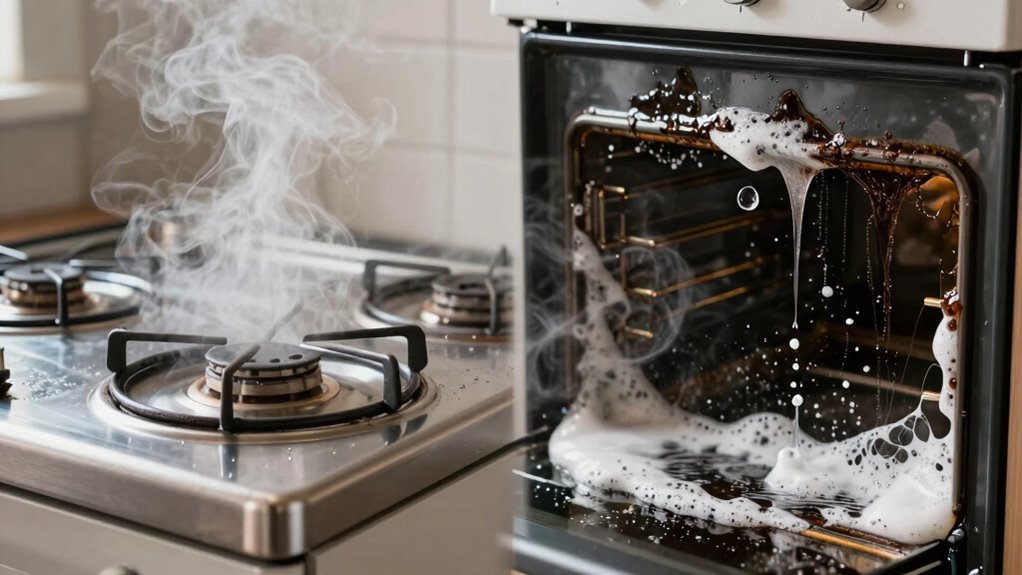

When choosing between steam cleaning and degreasers, consider your cleaning needs, surface type, and budget. Steam cleaners are ideal for versatile, reusable, and large-scale cleaning, offering long-term savings despite higher upfront costs. Degreasers are better for quick, targeted grease removal at lower initial expenses but can become costly over time. To determine the best method for your situation and discover more effective cleaning strategies, explore the detailed insights below.
Key Takeaways
- Steam cleaning offers long-term cost savings due to reusability and versatility, ideal for frequent or large-scale cleaning.
- Degreasers are more cost-effective for occasional, small-scale tasks with lower upfront investment.
- Steam cleaning excels on various surfaces without chemical residues, while degreasers may be better for heavy-duty grease on specific surfaces.
- Long-term expenses favor steam cleaning, but initial costs can be prohibitive for infrequent use.
- Effectiveness depends on grime type and surface, making method selection crucial for optimal results.
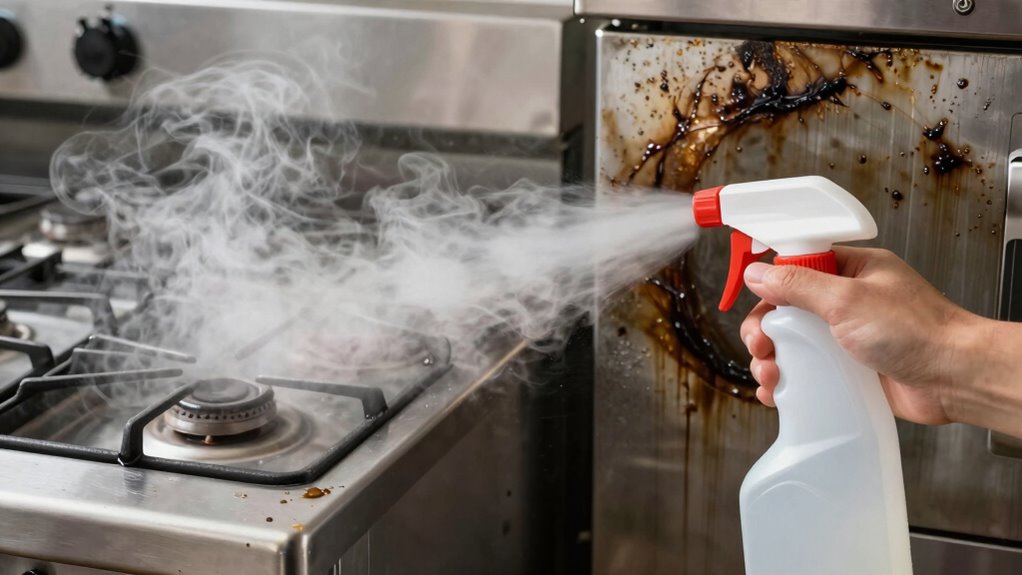
When comparing costs, steam cleaning machines may seem pricey upfront, but their versatility and reusability make them cost-effective over time. Degreasers often cost less initially, but frequent use, especially for large-scale cleaning, can add up, particularly if you opt for high-quality or specialty products. Additionally, the effectiveness of each method can depend on the type of grime or surface involved, making it essential to consider projector technology and material compatibility when choosing a cleaning method.
![Freshware Meal Prep Containers [50 Pack] 3 Compartment Food Storage Containers with Lids, Bento Box, BPA Free, Stackable, Microwave/Dishwasher/Freezer Safe (24 oz)](https://m.media-amazon.com/images/I/511ujm0M2+L._SL500_.jpg)
Freshware Meal Prep Containers [50 Pack] 3 Compartment Food Storage Containers with Lids, Bento Box, BPA Free, Stackable, Microwave/Dishwasher/Freezer Safe (24 oz)
- Pack Size: 50-pack of meal prep containers
- Compartments: 3 compartments per container
- Capacity: 24 oz per container
As an affiliate, we earn on qualifying purchases.
Frequently Asked Questions
Are Steam Cleaners Safe for All Types of Surfaces?
Steam cleaners are generally safe for most surfaces, but you should be cautious with delicate ones like unsealed wood, soft fabrics, or painted surfaces, as they may suffer surface damage. While they excel at cleaning effectiveness on tiles, glass, and metal, they might not be suitable for all materials. Always test a small area first and follow manufacturer guidelines to prevent damage and guarantee safe, effective cleaning.
Can Degreasers Be Used on Delicate Fabrics or Materials?
Think twice before using degreasers on delicate fabrics—they might not be safe. You could risk damaging or discoloring the material, as many degreasers aren’t compatible with sensitive fabrics. Always check the fabric safety and material compatibility first. If in doubt, test a small area or opt for gentler cleaning methods. Protect your fabrics by choosing the right cleaner, and avoid surprises that could ruin your delicate materials.
How Eco-Friendly Are Steam Cleaning and Chemical Degreasers?
Steam cleaning is generally more eco-friendly because it uses only water, reducing environmental impact and chemical toxicity. It produces no harmful residues, making it safer for you and the environment. Degreasers, on the other hand, often contain chemicals that can be toxic, posing environmental concerns if not disposed of properly. So, if you’re aiming for an eco-friendly option, steam cleaning wins by minimizing chemical toxicity and environmental impact.
What Is the Average Cleaning Time for Each Method?
On average, steam cleaning takes about 30 to 45 minutes for a typical surface, offering quick cleaning efficiency with minimal setup. Degreasers usually require 20 to 60 minutes, depending on the grime’s severity and the application process. In a time comparison, degreasers might be faster for light grease, but steam cleaning excels when deep cleaning, saving you time while ensuring thorough results.
Are There Health Risks Associated With Chemical Degreasers?
Using chemical degreasers is like walking through a minefield—there are health concerns you should know about. Chemical exposure from these products can cause skin irritation, respiratory issues, or allergic reactions if not handled properly. Always wear protective gear, work in well-ventilated areas, and follow manufacturer instructions to minimize these risks. Being cautious helps you avoid potential health hazards associated with their use.
Conclusion
Understanding when to choose steam cleaning or degreasers can save you time and effort. Did you know that steam cleaning can eliminate up to 99% of bacteria without chemicals? This makes it perfect for delicate surfaces or quick sanitizing. However, for heavy grease buildup, degreasers are often more effective. By knowing each method’s strengths, you can tackle messes confidently and efficiently, ensuring your cleaning routine is both smart and effective.