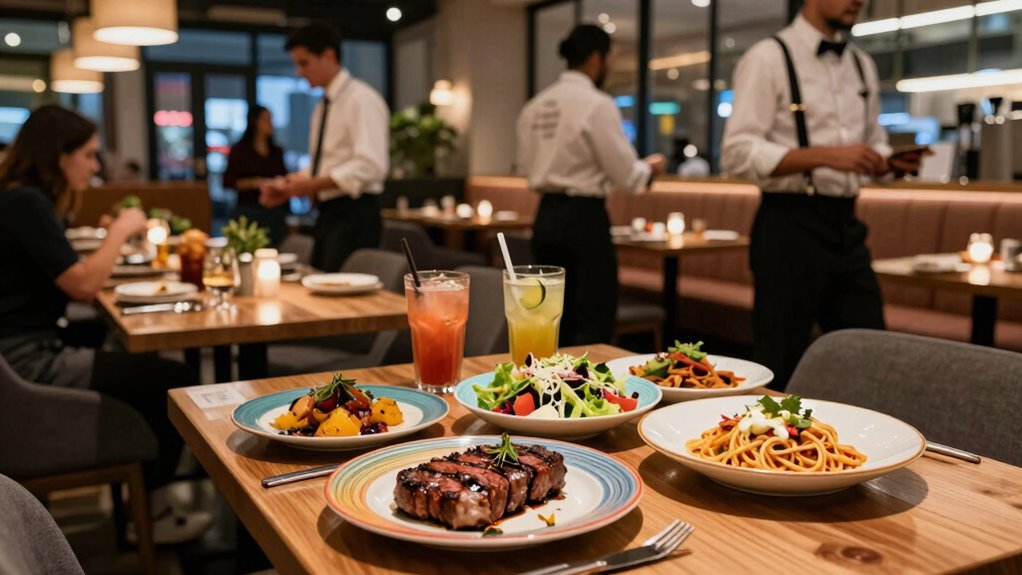

A restaurant sales mix shows you how much revenue comes from each menu item, giving insight into what your customers prefer and which dishes drive your sales. It highlights the most popular items and reveals trends during different times or seasons. This information helps you adjust your menu, manage inventory, and boost profitability. If you want to understand how these patterns can shape your strategy, keep exploring how sales mix analysis can benefit your restaurant.

Get kitchen staples and gadgets delivered free — and shop member deals
- Fast, free delivery on millions of items
- Access to Prime Big Deal Days deals on October 6–7
- Prime Video, Amazon Music and more included
Key Takeaways
- The proportion of sales generated by different menu items.
- Which dishes are most popular among customers.
- The contribution of various items to overall revenue and profit.
- Customer preferences and behavior during different times or seasons.
- Opportunities to optimize menu offerings and pricing strategies.
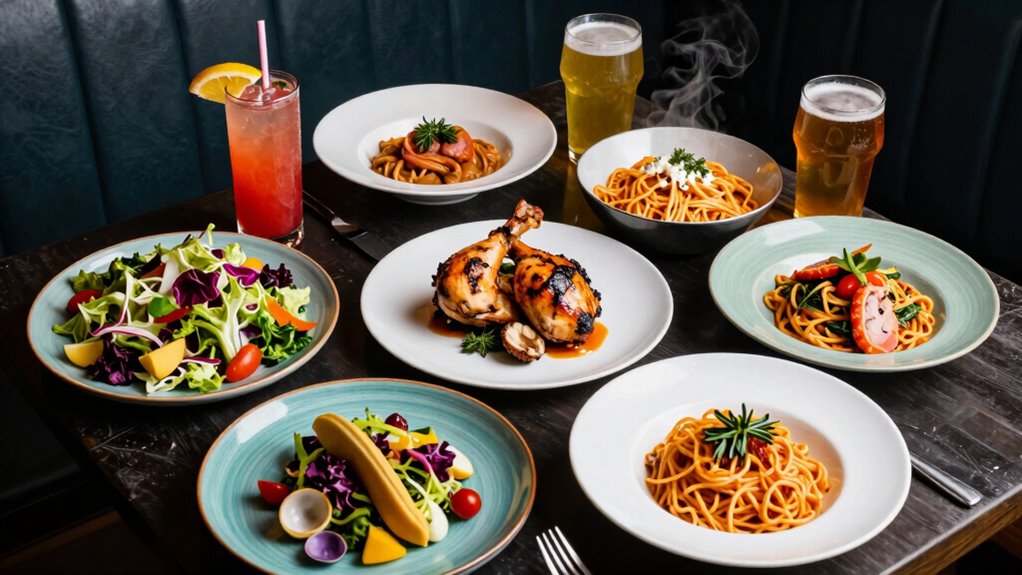
Understanding your restaurant’s sales mix is crucial for making informed business decisions. It reveals the proportion of sales generated by different menu items, giving you insight into what’s truly driving revenue. When you analyze your sales mix, you get a clear picture of how menu diversity influences your overall performance. A diverse menu can attract a broad customer base, but it also means some items sell better than others. By examining which dishes are most popular, you can identify patterns that reflect customer preferences and adjust your offerings accordingly. For example, if you notice that salads and lighter fare outsell heavier options, you might consider expanding those selections to meet demand. Conversely, if certain items rarely sell, you can reevaluate their place on your menu or improve their appeal.
Your sales mix fundamentally shows which parts of your menu resonate most with your guests. This information helps you understand how different customer preferences shape your sales. Maybe you observe that lunchtime patrons prefer quick, affordable options, while dinner service sees more elaborate dishes. Recognizing these customer preferences allows you to tailor your menu and marketing efforts to maximize appeal during various times of the day. It also helps you manage inventory better, reducing waste and controlling costs by focusing on high-performing items. Additionally, knowing what your customers like enables you to introduce new dishes that align with their preferences, increasing the likelihood of acceptance and boosting sales. Incorporating menu optimization strategies can further enhance your understanding of sales patterns and improve overall profitability.
Furthermore, a detailed analysis of your sales mix can reveal opportunities to boost profitability. For example, if certain high-margin items are underperforming, you can implement targeted promotions or adjust pricing strategies to improve their sales. On the other hand, if a low-margin dish is highly popular, you might consider modifying the recipe or presentation to increase profitability without sacrificing customer satisfaction. Your sales mix can also highlight seasonal or trending items that are gaining traction, giving you a chance to capitalize on current customer preferences and stay competitive. Regularly tracking and adjusting your sales mix ensures your menu remains aligned with customer demand and market trends, including biodiversity and sustainable practices that appeal to environmentally conscious diners. Incorporating market trends into your analysis can help you stay ahead and meet evolving customer expectations effectively.
As an affiliate, we earn on qualifying purchases.
Frequently Asked Questions
How Does Sales Mix Impact Overall Profitability?
Your sales mix directly impacts your overall profitability by reflecting menu diversity and customer preferences. When you understand which items sell best, you can focus on promoting those, reducing waste, and adjusting prices accordingly. Catering to customer preferences helps boost sales of high-margin dishes, increasing profits. A balanced sales mix guarantees you maximize revenue from popular items while introducing new options to meet evolving tastes, ultimately strengthening your restaurant’s bottom line.
What Factors Influence Changes in Sales Mix Over Time?
Imagine it’s the 21st century, but your sales mix still shifts like the tide. You influence changes through menu diversification, offering new dishes to attract different customers, and respond to seasonal variations, like holiday specials or summer menus. External factors like local events or economic shifts also play a role. By monitoring these influences, you can adapt your offerings, maximize sales, and keep your restaurant thriving despite changing customer preferences.
Can Sales Mix Data Predict Future Restaurant Trends?
Sales mix data can hint at future restaurant trends by revealing shifts in customer preferences and the success of menu diversification efforts. By analyzing which items gain popularity, you can anticipate rising or declining demand. This insight helps you adapt your offerings proactively, capitalize on emerging trends, and stay competitive. While it doesn’t predict perfectly, sales mix data serves as a valuable tool for making informed decisions about your restaurant’s future direction.
How Often Should a Restaurant Review Its Sales Mix?
Think of your sales mix as a garden that needs regular tending. You should review it monthly or quarterly to stay in tune with customer preferences. This helps you identify trends, gauge the impact of menu diversification, and adjust offerings accordingly. By staying vigilant, you guarantee your restaurant remains a vibrant, appealing spot, adapting to shifts in demand and keeping your menu fresh and aligned with what your customers want.
What Tools Are Best for Analyzing Sales Mix Data?
You should use menu engineering tools like POS systems and sales analytics software to analyze your sales mix data effectively. These tools help you identify customer preferences and track which items are popular or underperforming. By reviewing this data regularly, you can optimize your menu, boost profitability, and cater better to customer tastes. Embracing these tools guarantees you stay responsive to changing preferences and maximize your restaurant’s success.
Conclusion
Understanding your restaurant’s sales mix reveals more than just numbers; it paints a vivid picture of customer preferences. For instance, knowing that 60% of your revenue comes from appetizers can help you tailor your menu and marketing efforts. Envision this: a crowded dining room where nearly every table orders a starter. This insight allows you to focus on what sells best, boosting profits and ensuring your restaurant keeps customers coming back for their favorite bites.
Halloween Picks
halloween
As an affiliate, we earn on qualifying purchases.




![A Visual Guide To Europe’s Most Popular Olive Oil Varieties, From Koroneiki To Picual [MAP]](https://theuglykitchen.com/wp-content/uploads/2026/10/a-visual-guide-to-europe-s-most-popular-olive-oil-varieties-from-koroneiki-to-pi-featured-260x140.jpg)