
A prix fixe menu offers a set, multi-course meal with limited choices at a fixed price, ideal for a predictable and efficient dining experience. In contrast, a tasting menu features smaller, curated dishes that take you through a culinary journey, highlighting chef creativity and seasonal ingredients. If you prefer simplicity, the prix fixe is your go-to, but for variety and exploration, the tasting menu is best. Keep exploring to discover which option suits your culinary craving best.

Get kitchen staples and gadgets delivered free with Prime
- Fast, free delivery on millions of items
- Prime Video, Amazon Music and more included
- Member-only deals all year
Key Takeaways
- Prix fixe menus offer a fixed number of courses with limited choices, while tasting menus feature multiple, smaller courses exploring diverse flavors.
- Tasting menus provide a more immersive, multi-course culinary experience, whereas prix fixe offers a straightforward, predictable meal.
- Tasting menus often include curated wine pairings for each dish, while prix fixe menus may have more flexible wine options.
- Prix fixe menus are typically rigid with limited customization, whereas tasting menus often accommodate dietary restrictions and preferences.
- Choose prix fixe for efficiency and simplicity, or opt for a tasting menu for variety, creativity, and a memorable gastronomic journey.
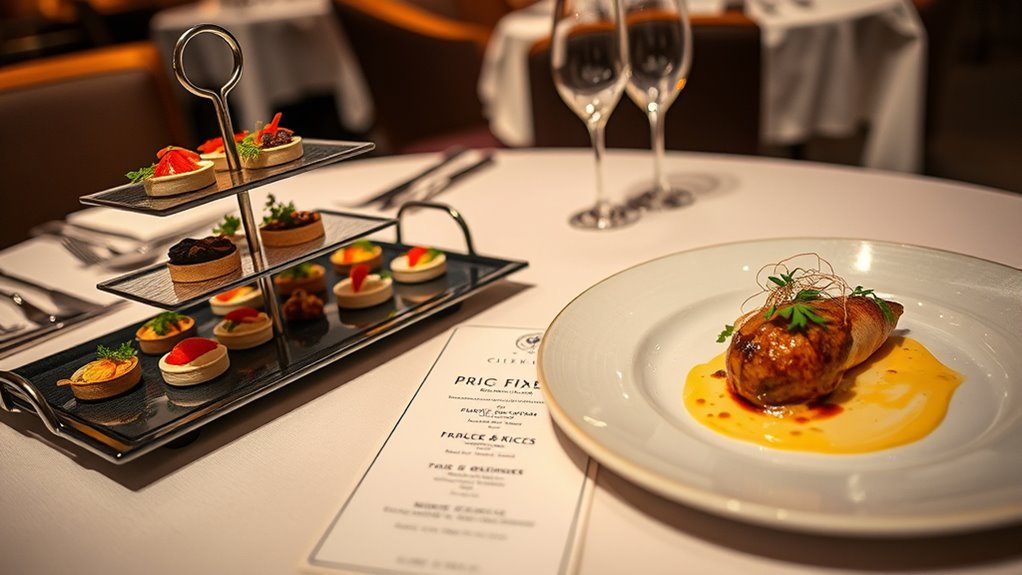
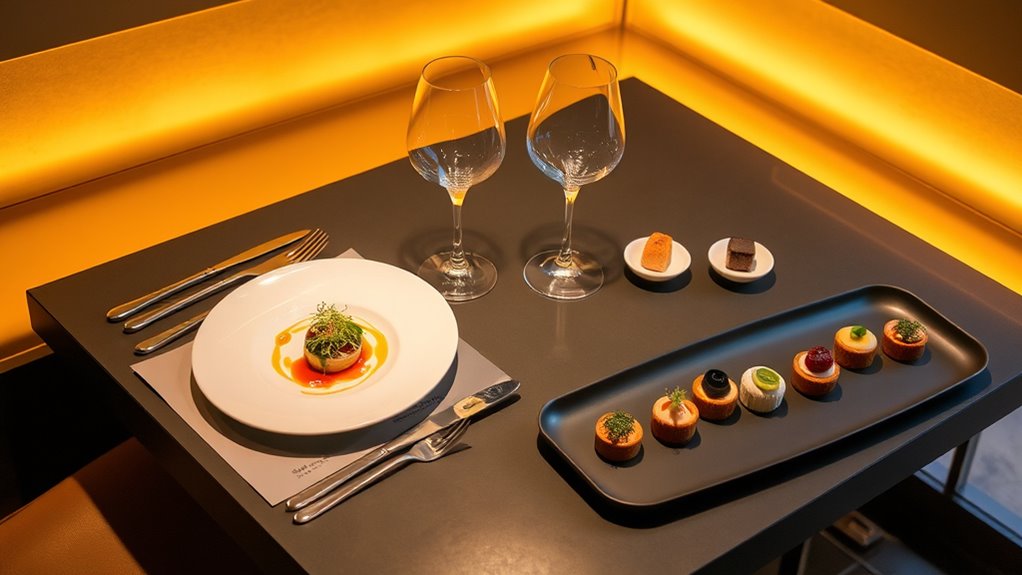
When choosing between a prix fixe and a tasting menu, understanding their differences can help you make a more informed decision. Both offer unique dining experiences, but they cater to different preferences and expectations. A prix fixe menu typically features a set number of courses at a fixed price, often with limited choices for each course. It’s a straightforward option where you select from predefined dishes, making it easier to plan your meal and budget. Tasting menus, on the other hand, are more exploratory. They tend to showcase the chef’s creativity and seasonal ingredients, offering smaller portions across numerous courses that highlight a range of flavors and techniques. This format encourages you to savor a variety of dishes and often provides a more immersive culinary journey.
When considering wine pairings, a tasting menu often provides a more seamless experience. Chefs and sommeliers usually coordinate the courses with specific wine pairings, elevating each bite and enhancing the overall flavor profile. These pairings are carefully curated to complement the nuances of each dish, creating a harmonious balance between food and drink. With a prix fixe menu, wine pairings are still available, but they tend to be more flexible and less intricate. You might choose a single bottle to enjoy throughout your meal or select wines for specific courses, depending on your preferences. Regardless of your choice, understanding proper dining etiquette can help you navigate the experience gracefully. For instance, in a tasting menu setting, it’s polite to allow the chef to guide your journey, trusting their expertise in pacing and pairing. When it comes to wine, don’t hesitate to ask for recommendations or to clarify your preferences—most servers and sommeliers are happy to assist.
Additionally, some restaurants may offer customization options, allowing diners to modify dishes or accommodate dietary restrictions, which can enhance your dining experience even further. A key difference lies in the level of customization. Prix fixe menus are usually more rigid, with little room for alterations or special requests, making them suitable if you prefer predictability and efficiency. Tasting menus, however, often allow some flexibility or can be tailored to dietary restrictions, especially if you notify the restaurant in advance. This makes tasting menus ideal for adventurous diners eager to explore new flavors or for those with specific dietary needs.
Ultimately, your choice depends on what kind of dining experience you’re after. If you want a quick, reliable meal with straightforward wine options, a prix fixe might suit you best. If you’re looking to indulge in a multi-course adventure, savor diverse flavors, and enjoy expert wine pairings, a tasting menu will likely provide a more memorable and refined experience. Understanding these differences ensures you select the option that aligns with your culinary desires and enhances your overall dining etiquette.
Products Worth Considering

Weber Genesis E-415 4-Burner Propane Gas Grill, Black

Vitamix Propel Series 750 Professional-Grade Blender, 4 Programs, Black

Cuisinart SM-50R 5.5-Quart Stand Mixer, Ruby Red
As an affiliate, we earn on qualifying purchases.
Frequently Asked Questions
Can I Customize Dishes on a Prix Fixe or Tasting Menu?
You can usually request dish modifications on a prix fixe or tasting menu, but menu flexibility varies by restaurant. Many chefs are accommodating if you have dietary restrictions or preferences, but some dishes are fixed to showcase specific flavors. Always ask your server about customization options upfront. They’ll often work with the kitchen to accommodate your needs, ensuring a satisfying experience without compromising the chef’s vision.
Which Menu Offers Better Value for a Special Occasion?
If you’re after better value for a special occasion, a tasting menu might surprise you with its menu flexibility and curated experience, often feeling more special. While prix fixe menus offer price transparency and straightforward choices, tasting menus tend to impress with multiple courses and unique flavors, making the occasion memorable. The choice depends on whether you prioritize variety and a luxurious experience or clear pricing and simpler options.
Are Dietary Restrictions Accommodated on Both Menus?
Yes, dietary accommodations are usually available on both menus. Most restaurants offer menu flexibility to cater to allergies, vegetarian or vegan preferences, and other restrictions. When you make a reservation or speak to your server, let them know your needs. They’ll typically work with the kitchen to guarantee your meal meets your dietary restrictions, making your dining experience enjoyable and stress-free.
How Do Service Times Typically Compare Between the Two Menus?
They say “time flies when you’re having fun,” and that’s often true with tasting menus, which usually have a slower, more relaxed pace, extending your dining duration. Prix fixe menus tend to be quicker, with more streamlined service fitting into restaurant pacing. So, if you’re short on time, prix fixe might suit you better, while tasting menus offer a leisurely experience perfect for savoring each course.
Do Both Menus Include Beverages and Dessert Options?
Both menus often include beverage options, but it varies by restaurant. Some offer beverages as part of the prix fixe, while tasting menus might allow you to select drinks separately. Dessert options are usually included, especially in tasting menus, to complete the experience. Check the restaurant’s details beforehand to understand what’s included, so you can plan accordingly and enjoy your meal fully.
Conclusion
So, now you know the shocking truth: choosing between a prix fixe and a tasting menu could be the most important decision of your dining life! One promises a predictable adventure, while the other unleashes a whirlwind of flavors you’ll never forget. Don’t settle for an ordinary meal—embrace the culinary rollercoaster and make every bite count. Your taste buds deserve the thrill of a lifetime, so go ahead, take the plunge and savor the extraordinary!