To keep self-serve food safe and appealing, you need to maintain cold pans and buffet refrigeration at the right temperatures, ideally below 40°F (4°C). Regularly check and adjust settings to prevent spoilage and bacterial growth. Proper airflow and equipment maintenance prevent hotspots and uneven cooling. Cover food, avoid overcrowding, and use chilled inserts or ice beds for steady temperatures. Mastering these practices guarantees your buffet stays fresh, attractive, and safe for guests—discover more tips to enhance your setup.
Key Takeaways
- Maintain cold pans below 40°F (4°C) to inhibit bacterial growth and ensure food safety.
- Use proper airflow and regular cleaning to prevent hotspots and keep food evenly cooled.
- Cover and organize food properly to preserve temperature, hygiene, and visual appeal.
- Incorporate ice beds or chilled inserts to sustain consistent, safe temperatures during service.
- Regularly monitor and adjust refrigeration equipment to ensure optimal performance and food quality.
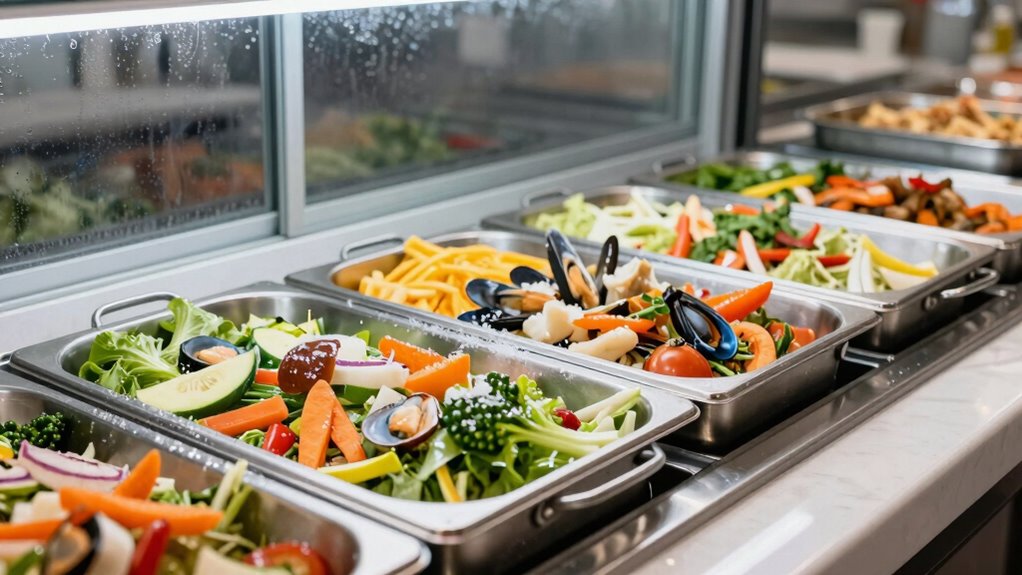
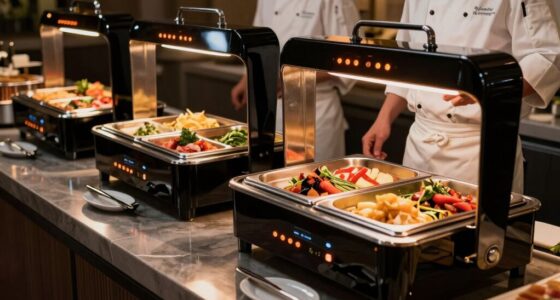
Cold pans and buffet refrigeration are indispensable tools for maintaining the freshness and safety of food in commercial settings. As someone managing a buffet or self-serve station, you know how essential it is to keep food at the right temperature. Proper temperature control not only prevents bacteria growth but also guarantees that your dishes look appealing and taste their best. When you use cold pans and refrigerated buffet stations correctly, you create an inviting display that encourages customers to serve themselves confidently, knowing their food is safe.
Maintaining proper temperature with cold pans and refrigeration ensures food safety, freshness, and appealing presentation.
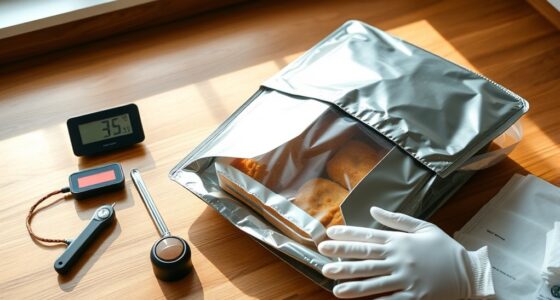
You should pay close attention to how these units are set up and maintained. Cold pans are designed to hold items at safe temperatures, typically below 40°F (4°C), which helps slow down bacterial growth while maintaining the perfect texture and flavor of your ingredients. Regularly checking and adjusting the temperature controls ensures that your food stays at a safe and consistent temperature throughout service. If the temperature rises, even slightly, it could compromise food safety and lead to spoilage or foodborne illnesses. Your role is to monitor these settings diligently and respond promptly if you notice any fluctuations. Proper setup and temperature monitoring are essential for food safety and quality.
Food presentation is another key aspect that cold pans and buffet refrigeration influence. When food is kept at the right temperature, it remains visually appealing—fresh, vibrant, and appetizing. A well-maintained refrigeration setup keeps salads crisp, seafood firm, and dairy products cool and inviting. Arranging food attractively on cold pans enhances the overall presentation, making your buffet more tempting. Remember, customers eat with their eyes first, so maintaining the right temperature not only safeguards their health but also elevates the dining experience. Additionally, maintaining air circulation within the units helps ensure even cooling and prevents hotspots that could compromise food safety. Proper airflow management can extend the lifespan of your equipment and improve its efficiency.
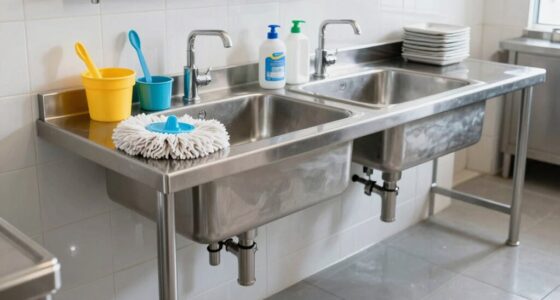
Additionally, good practices like covering food properly and avoiding overcrowding in cold pans improve temperature control and presentation. Overcrowding can trap heat and cause uneven cooling, so you should organize items efficiently. Using ice beds or chilled inserts can further help maintain a steady temperature, especially for more delicate foods. Regular cleaning and sanitizing of your refrigeration units prevent contamination and guarantee they operate efficiently, which is crucial for keeping food at safe temperatures.

BODEGACOOLER Commercial Bar Cooler with 3 Solid Doors, 20.5 Cu.Ft Back Bar Refrigerator, Beverage Refrigerator for Beer Soda Wine,LED Light, Stainless Steel Top,6 Casters, for Kitchen Buffet Table
- Large Capacity: 20.4 Cu.ft holds 274 bottles or 548 cans
- Precise Temperature Range: Maintains 0–10°C (32℉–50℉)
- Enhanced Insulation: Foam-insulated door for better heat retention
As an affiliate, we earn on qualifying purchases.
As an affiliate, we earn on qualifying purchases.
Frequently Asked Questions
How Often Should Cold Pans Be Cleaned and Sanitized?
You should clean and sanitize cold pans at least every four hours during service, following proper cleaning schedules and sanitization techniques. Regular cleaning prevents bacterial buildup and cross-contamination, keeping food safe and appealing. After each cleaning, make sure you thoroughly rinse and dry the pans before refilling. Consistent maintenance not only complies with health standards but also enhances customer trust and satisfaction in your buffet.
What Temperature Should Buffet Refrigeration Units Be Maintained At?
You should keep your buffet refrigeration units at 40°F or below to prevent bacteria growth—because nobody wants a science experiment in their food. Regular temperature calibration and refrigeration maintenance are essential to stay on top of this. If your unit drifts higher, you risk unsafe food, spoiled dishes, and unhappy guests. So, check those thermostats often and keep your cold pans chilled to perfection, not a science fair project.
Are There Energy-Efficient Options for Cold Pans and Buffet Refrigeration?
Yes, there are energy-efficient options for cold pans and buffet refrigeration. You can choose units with energy savings features, like high-efficiency compressors and better insulation. Eco-friendly options include refrigeration systems that use less power and environmentally safe refrigerants. Investing in these alternatives helps you reduce energy costs and your environmental impact, while still keeping your food safe and appealing. Always look for ENERGY STAR-rated equipment for peak efficiency.
How Do You Prevent Cross-Contamination With Cold Pans?
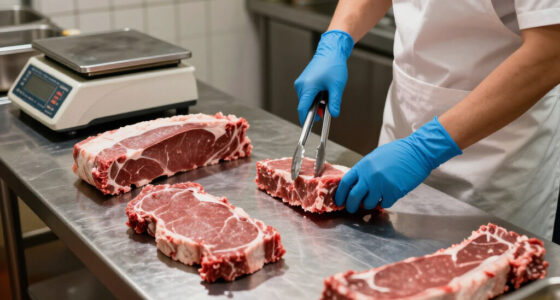
Think of cold pans as a well-guarded fortress, where each section guards its own treasure. To prevent cross-contamination, you need strict food handling and hygiene practices—using separate utensils for each dish and avoiding cross-contact. Regularly clean and sanitize pans, and keep raw and cooked foods apart. This vigilance guarantees your buffet remains safe and appealing, protecting guests like a fortress guards its treasures.
What Are Common Signs of Refrigeration Failure?
If your refrigeration fails, you’ll notice signs like rising temperatures, which compromise food safety. Regular temperature monitoring helps you catch these issues early. Watch for inconsistent cooling or warm spots in the unit. Power outages can also cause failure; guarantee backup power sources or emergency plans are in place. Promptly addressing these signs keeps your food safe and prevents spoilage, maintaining quality and customer trust.
Conclusion
By mastering cold pans and buffet refrigeration, you’re not just keeping food safe—you’re wielding the power to turn a simple buffet into an irresistible culinary fortress. With perfectly chilled dishes, you’ll make every bite a invigorating explosion, engaging every guest and thwarting even the sneakiest bacteria. Fail to do so, and you risk turning your feast into a dangerous disaster. So, stay vigilant, keep it cool, and let your buffet be legendary—an unstoppable delight that no one can resist!